Audi to Spend $4bn on First US Factory in Georgia
Audi plans a plant in Macon, Georgia, for 200,000 large SUVs and 4,500 jobs, while parent Volkswagen cuts jobs in Germany and absorbs US tariffs.
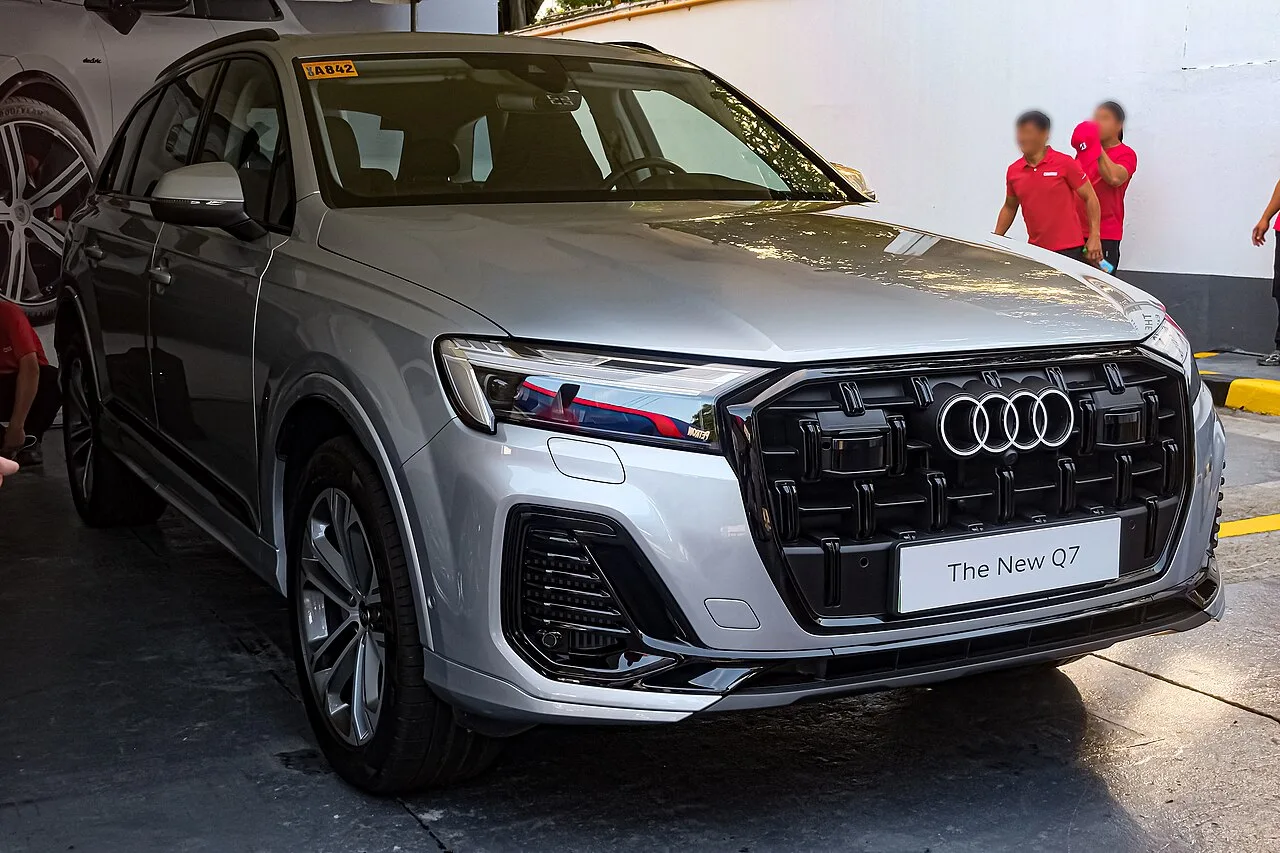
Audi will spend $4bn (£3bn) on its first factory in the United States, in Macon, Georgia. Its parent company, Volkswagen, is dealing with the effect of steep tariffs imposed by Donald Trump.
Audi chief executive Gernot Döllner announced the plan on Saturday night, standing on stage with Trump at a campaign rally. A big European brand rarely does that, and the rally came only days before the US midterm elections.
The company aims to build 200,000 SUVs at the site and create 4,500 jobs. The plant will make the Q7, Q8 and Q9, and some of that output will move from Bratislava in Slovakia.
"We are planning to bring our biggest and most premium SUVs, and produce them here in Macon, Georgia," Döllner said at the event. "This is a long-term investment because we believe in the American market." He said he accepted the invitation to speak out of respect for the US.
Tariffs weigh on Volkswagen
Audi is Volkswagen's most important premium brand. It has been hit by the 15% tariff Trump set on imports from the EU, and by his efforts to cut sales of battery electric vehicles in favour of petrol cars.
Volkswagen has said the tariffs cost it up to €5bn (£4.2bn) a year, before any effect from lower sales. This month it said it still faced "continued high pressure from import tariffs". It has already moved part of the production of its cheapest cars, including the Jetta saloon and the Taos SUV, from Mexico to the US. Chief executive Oliver Blume told investors in July that "US tariffs create a significant burden and restrict international trade".
The group says demand remains in the US for Audi's large petrol SUVs. It is planning the Q9, its largest-ever SUV, with the American market in mind.
Job cuts in Germany
The new plant may add to tensions in Germany, where Volkswagen has begun cutting as many as 100,000 jobs and closing factories. The company blames those losses on strong competition from Chinese carmakers, on the tariffs and on the heavy investment needed to switch to electric vehicles for markets outside the US.
Source: The Guardian