BITS Pilani Revises Undergraduate Curriculum Around AI and Research
The institute has widened elective choice, added research and industry pathways, and introduced a 30-point activity requirement tied to student wellbeing.
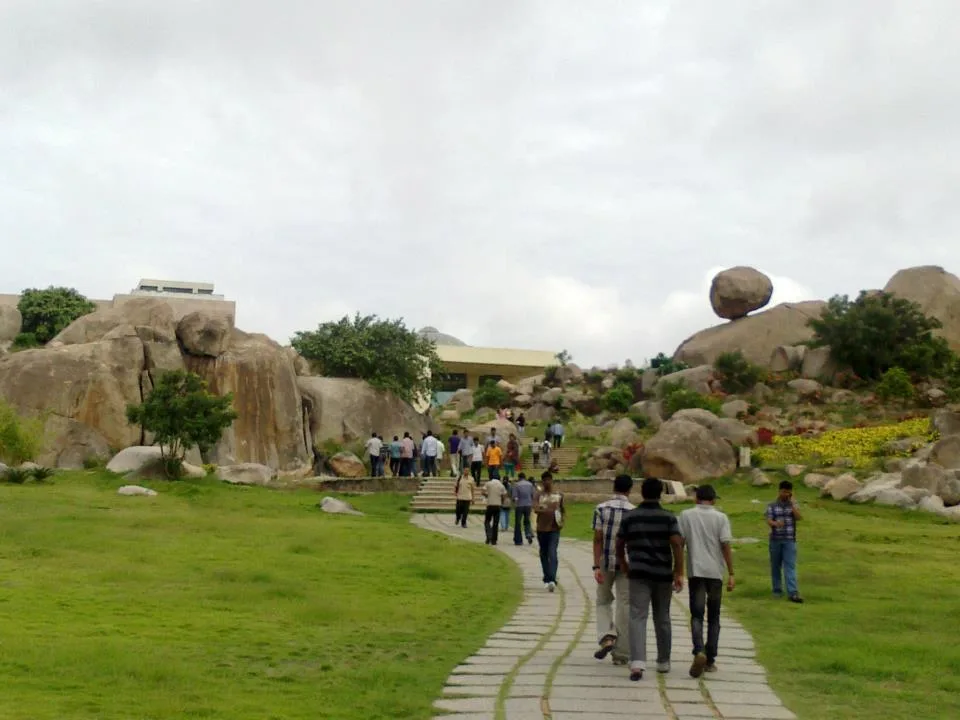
BITS Pilani has revised its undergraduate curriculum, giving students more room to choose subjects and adding new research, industry and wellbeing components. The institute says the changes respond to the growing role of artificial intelligence in education and work, and to concerns over student mental health.
V Ramgopal Rao, group vice chancellor of BITS Pilani and a former director of IIT Delhi, said the programme combines science, engineering and computing with subjects from the humanities and arts. Students will also be able to study design thinking and entrepreneurship, and to work on practical problems.
New areas of study
The revised curriculum includes artificial intelligence, data science, software construction, quantum information and computation, astronomy and materials chemistry. Students get more scope to take interdisciplinary elective courses and to explore subjects outside their main field of study.
Research and industry
Research and project work now carry greater weight. Rao said the institute has strengthened its Undergraduate Research Opportunities Programme, along with Advanced UROP and Super UROP. Through these programmes, students can work on societal problems and receive funding to develop and test solutions as part of their coursework.
The Practice School programme will provide industry mentorship, and entrepreneurship pathways will let students take their ideas further, according to Rao.
BITS Pilani said it has spent more than Rs 50 crore this year on upgrading undergraduate laboratories at its Pilani, Goa and Hyderabad campuses.
The new curriculum also introduces a Points of Experience framework that covers physical and mental wellbeing, social conduct and community engagement. Each student must complete 30 Points of Experience, equal to about 60 hours of activities such as fitness, creative pursuits, wellbeing workshops, social conduct and community engagement. The activities are recognised through experience points rather than academic credits.
Source: India Today