FTC and 20 States Sue Dollar General Over Register Prices
The agency alleges the chain charged more at the register than the prices on shelves, tags and ads, citing 29,000 complaints and undercover purchases.
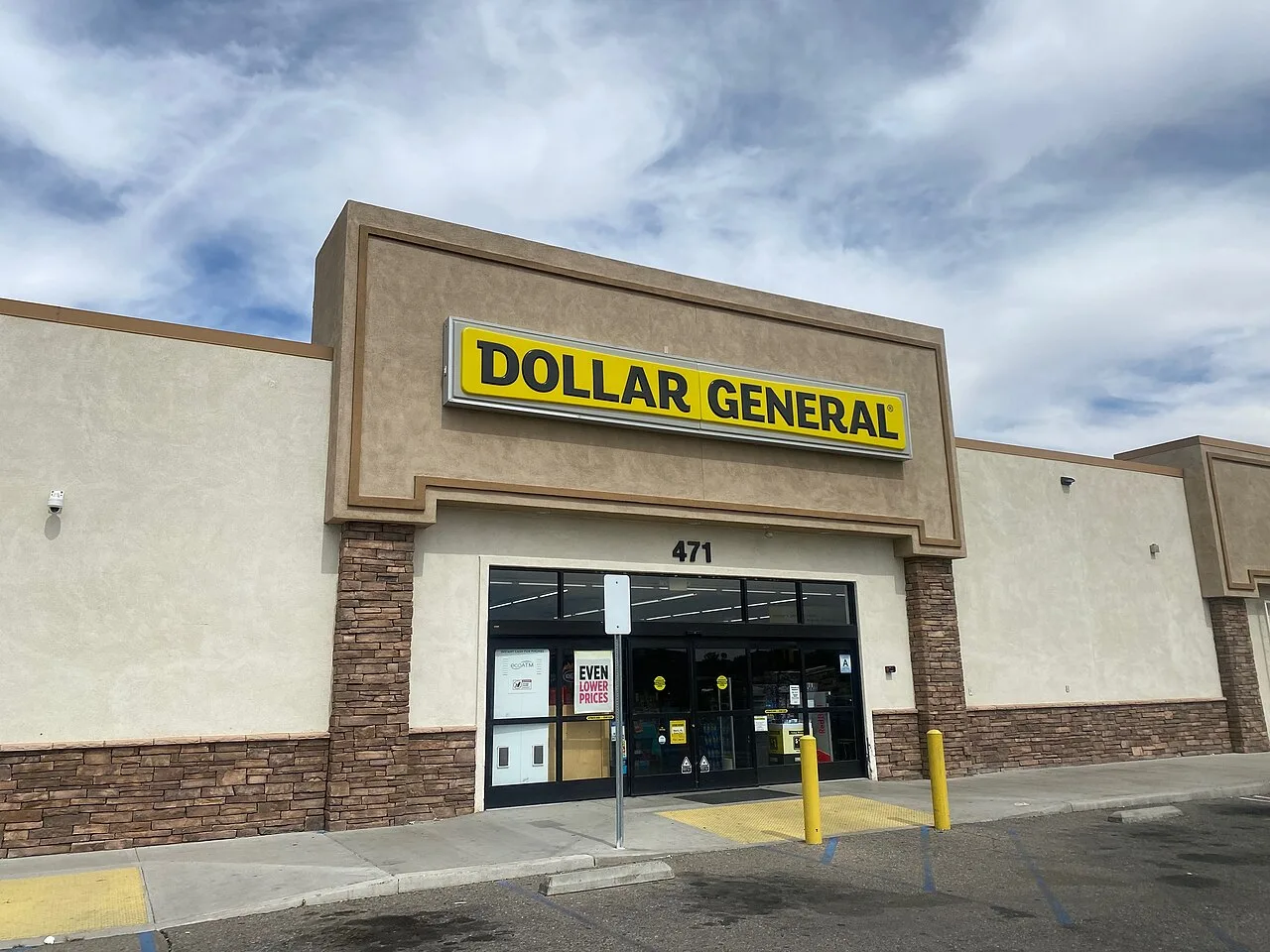
The Federal Trade Commission and 20 states have sued Dollar General, alleging long-running deceptive pricing in which the chain charges shoppers more at the register than the prices shown on shelves, price tags and advertisements. The FTC says the practice has cost consumers millions of dollars.
The complaint was filed in the U.S. District Court for the Middle District of Tennessee. The states joining the case are Alabama, Arizona, Arkansas, California, Connecticut, Florida, Illinois, Iowa, Kansas, Louisiana, Michigan, Mississippi, Nebraska, New Jersey, North Carolina, Ohio, Oklahoma, Tennessee, Utah and Wisconsin. The Commission vote to authorize the filing was 2-0.
What the complaint says
According to the filing, Dollar General received more than 29,000 complaints about price honoring between January 2023 and the end of March this year. The FTC says it made undercover purchases from January to April at stores in Ohio, Pennsylvania, Missouri and Maryland, and that every purchase resulted in a higher charge at the register than the price advertised elsewhere. In one January 16 purchase in Ohio, 13 of 58 items rang up at a different price than the one on the label or shelf.
The complaint adds that fast-moving register screens make it hard for shoppers to spot such differences in the moment. Despite thousands of complaints and failed pricing inspections, the FTC says, the company "has failed to implement policies and practices to adequately address the problem." It alleges violations of the FTC Act, the Gramm-Leach-Bliley Act and state laws.
"Dollar General has betrayed the trust of millions of American consumers," said Christopher Mufarrige, director of the FTC's Bureau of Consumer Protection.
The company
Dollar General runs more than 21,000 stores and markets itself as a low-priced alternative to big-box retailers. The company did not immediately respond to a request for comment on the allegations.
The FTC notes that a complaint is filed when it has "reason to believe" the law is being violated, and that the court will decide the case.
Source: Federal Trade Commission