Thicker Walls Don't Make Custom Aluminum Parts Stronger
A HelloNation article featuring Rochester fabricator Mark Coyle says ribs, chambers and flanges stiffen aluminum profiles better than extra wall thickness, and cut cost and distortion.
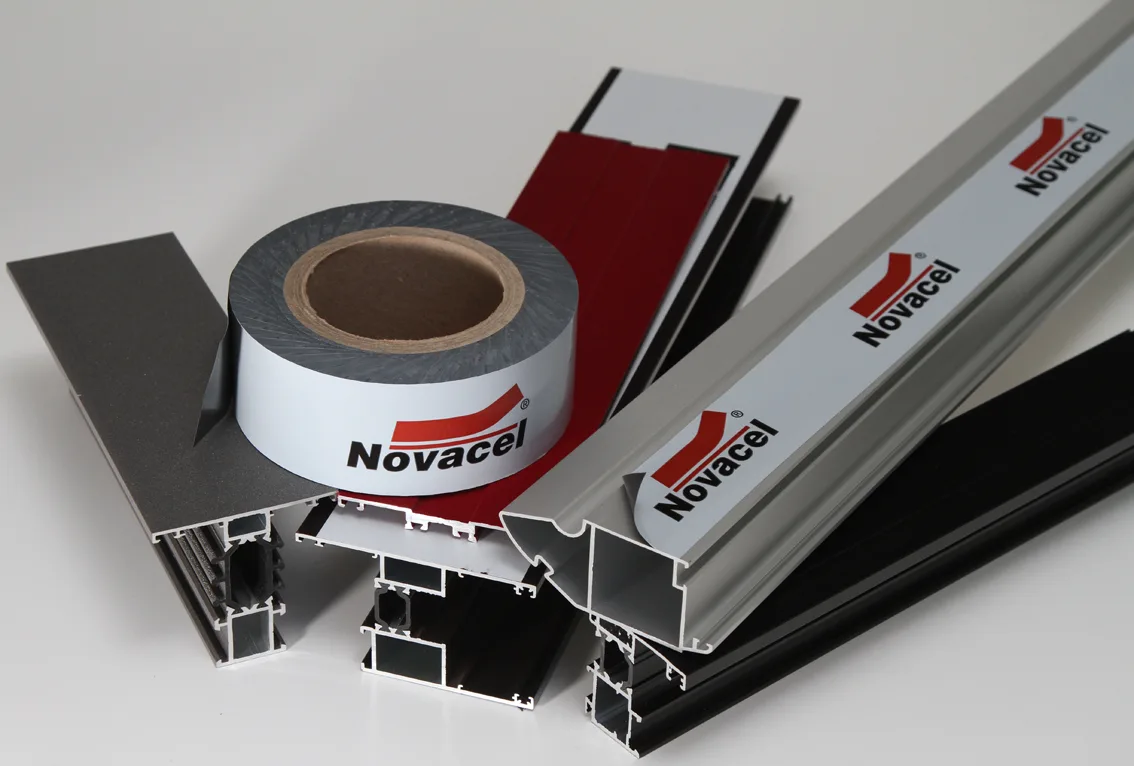
Many designers assume thicker walls make aluminum parts stronger, and that habit often makes custom projects heavier, costlier and harder to manufacture. A HelloNation article featuring Mark Coyle, a custom fabrication expert at American Custom Metals, Inc. in Rochester, New York, takes on that assumption.
Aluminum does not respond to wall thickness the way steel does, the article explains. Its performance depends on how the metal flows through the extrusion die. Profiles with ribs, chambers and flanges build stiffness without adding unnecessary weight, so extra material often raises cost without adding strength.
What happens during extrusion
Heavy sections fill more slowly, according to the article, and the metal cools unevenly. That can leave stress that shows up only later. A well-balanced shape keeps extrusion smooth and predictable, which helps hold dimensions over long production runs.
A thin wall backed by a well-placed rib often outperforms a thick, unsupported wall, the article says. The rib spreads load, adds stiffness and guides the aluminum as it cools.
It also stresses early teamwork. A fabricator who knows extrusion can spot problems before a die is built, and small changes to corners or transitions can remove weak points and improve metal flow. Working together early lowers the risk of redesigning the die after the first test run.
Machining, heat and cost
Wall thickness affects machining as well. Deep pockets or sharp internal angles may call for slow feed rates or special tooling, and walls thicker than needed make those areas harder to cut cleanly. Radiused edges and features sized to standard tools shorten cycle times and reduce tool wear.
Heat is another factor. Thicker sections hold heat longer, which raises the chance of distortion during extrusion, machining or finishing. Parts that rely on geometry cool more evenly, warp less and keep long profiles aligned, which matters for components that must fit precisely.
The cost argument follows. Heavier profiles use more material, take longer to extrude and need more tooling, the article says. Lighter parts are easier to handle, ship and assemble, so savings carry through several stages of production. Smooth transitions and balanced wall dimensions also reduce distortion, dimensional drift and scrap.
The article concludes that avoiding thick walls is among the best ways to improve performance and lower cost, and that the most dependable custom aluminum parts use structural features rather than mass for strength.
Source: HelloNation