WA Watchdog Was Told Woodside Browse Plan Risks Reef
A 2023 draft letter from Western Australia's EPA said Woodside's plans would not protect turtles and whales near Scott Reef from damage or an oil spill.
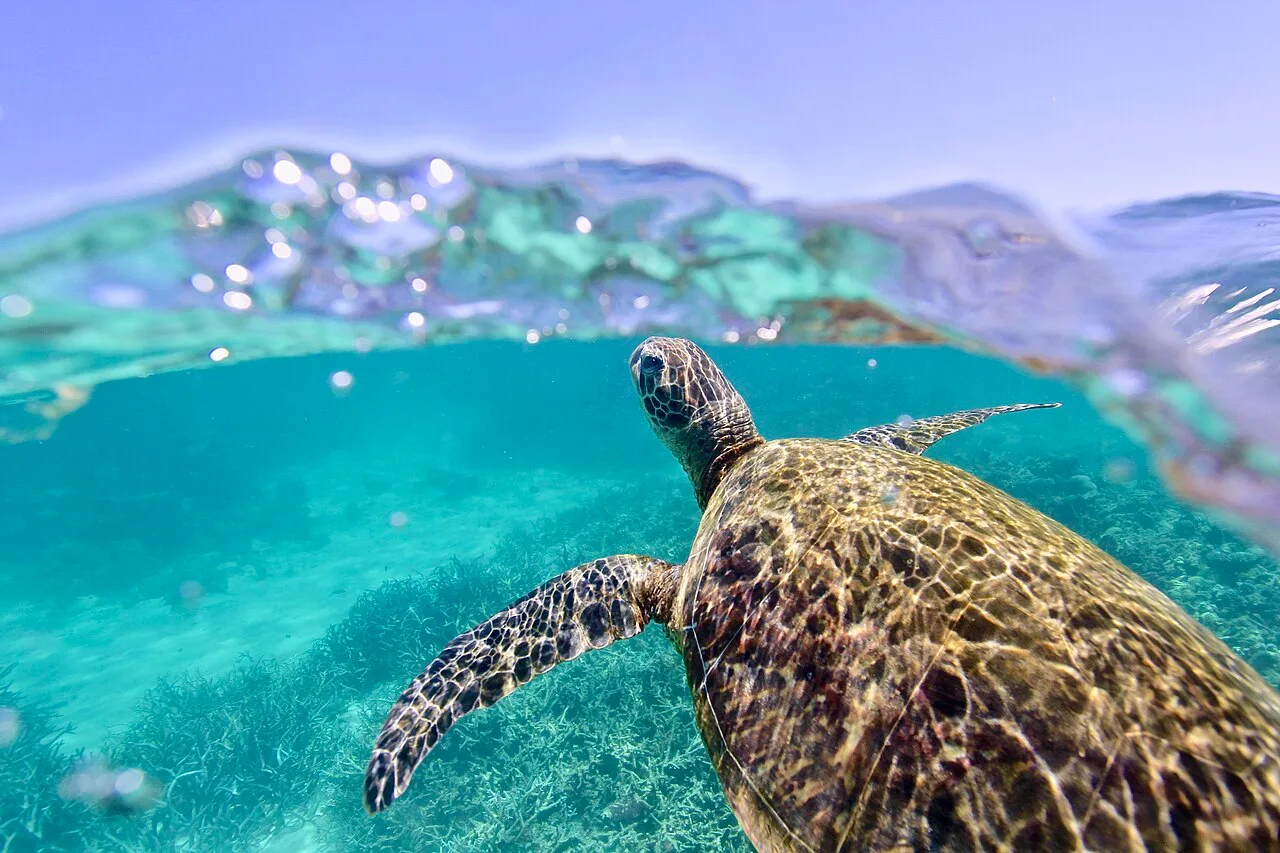
Western Australia's independent environmental watchdog was advised that Woodside Energy's plan to drill for gas off the state's north-west coast could significantly damage "exceptional" coral reefs. A draft letter from the Environmental Protection Authority, written in 2023 and seen by the Guardian, also said it may be impossible to cut the risk of an oil spill to an acceptable level.
The letter sharply criticised Woodside's proposal to develop the Browse gasfield. It said the company's plans to protect endangered turtles and blue whales near Scott Reef would be ineffective.
Woodside, Australia's largest fossil fuel company, hopes to win approval next year to develop the Browse basin, about 300km off the Kimberley coast. Scientists have warned that the project could harm the Scott Reef ecosystem, home to more than 1,500 species, many of them unique to the area. Browse is Australia's largest undeveloped source of gas.
A near rejection
EPA staff presented the draft letter to the authority's board in December 2023. In February 2024 the EPA told Woodside its preliminary view was to reject the development.
The plan involves drilling more than 50 wells and piping the gas 1,000km to the company's ageing North West Shelf export plant, next to the world heritage-listed Murujuga rock art. Woodside won approval last year to run that plant until 2070, but it needs Browse gas to feed it. Operating to 2070 could release about 88m tonnes of carbon dioxide a year once the gas is burned.
The board was told there was a threat of serious or irreversible harm to turtles, whales and the wider environment from oil spills, and that the precautionary principle should be invoked. The letter said a leak lasting 13 days could have "irreversible consequences" for Scott Reef.
Woodside's changes
After the near rejection, Woodside added explosive-driven shear rams to its drilling plans. The company says they could seal a leaking well in seconds and cut the longest credible duration of a "highly unlikely" blowout to about 12 hours. In 2024, Chevron rejected the same "pyrotechnic shearing" technology for its own wells, calling it unproven and impossible to test in the field. A Woodside spokesperson said that if the rams failed, a capping stack would stop the flow within 16 days.
The letter said Sandy Islet, where about 1,000 turtles breed each year, could be threatened if the seabed subsided after gas was extracted from beneath it. Woodside says it will not drill any wells within 20km of the islet and will restrict flaring.
Greenpeace's head of nature, Glenn Walker, said the plans relied on "fanciful and unproven technology". Greenpeace nominated Scott Reef for national heritage listing last week.
The project is being assessed by both the state and national EPAs, with environment ministers making the final decision. The national agency said its "decision clock" was paused while it waited on further technical advice.
Source: The Guardian