World Young Scientist Summit Opens in Wenzhou
Nearly 800 scientists, educators and entrepreneurs from more than 60 countries and regions gathered in Wenzhou for the 2026 summit, which launched a journal program and named award winners.
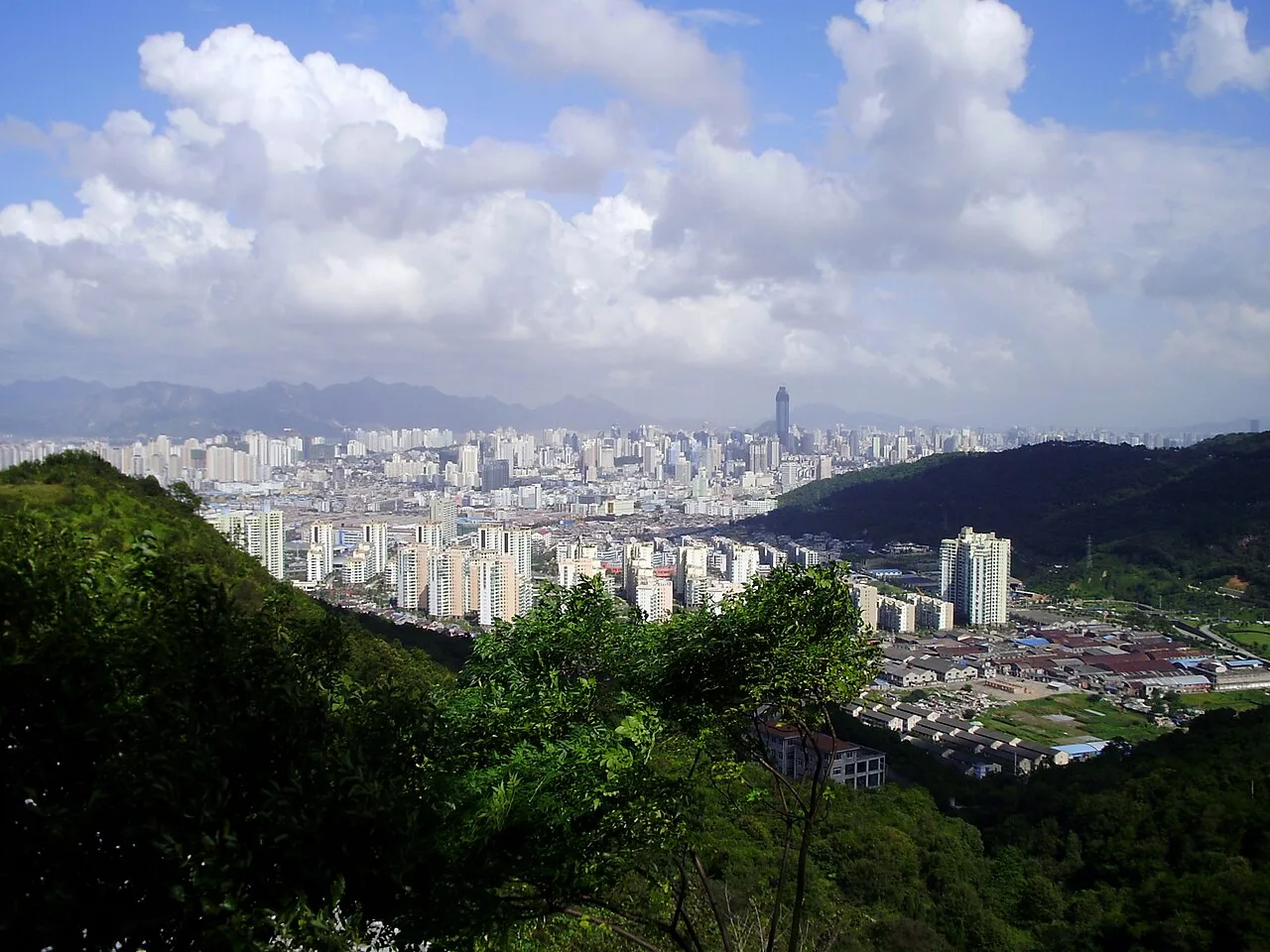
The World Young Scientist Summit 2026 opened on October 24 in Wenzhou, in China's Zhejiang province. Nearly 800 representatives, including scientists, educators and entrepreneurs from more than 60 countries and regions, are attending.
The China Association for Science and Technology (CAST), the Zhejiang Provincial People's Government and the World Association of Young Scientists host the event. Its theme is "Gathering Talents Worldwide to Create a Better Future," and this year's agenda is "Global Youth Action in the AI Era: Building a Sustainable Future."
Speakers and keynotes
Officials who attended and spoke included He Junke, CAST vice president, and Marcelo Knobel, executive director of The World Academy of Sciences. Yao Gaoyuan, vice governor of Zhejiang, presided over the first segment of the plenary session.
Four keynotes covered education reform in the AI era, AI and processor chips, the participation of young women in science, and quantum computing. They were given by Fields Medalist Efim Zelmanov; Chen Yunji of the Institute of Computing Technology at the Chinese Academy of Sciences; Mary Garson, president of the International Union of Pure and Applied Chemistry; and Lu Chaoyang, chairman of the council of the World Association of Young Scientists.
Young scientists under 45 make up 88 percent of participants, reflecting a stronger focus on their needs this year.
Reports, programs and awards
The summit released a report on the distribution and mobility of young scientists in embodied intelligence. It launched a partner journal program and the 2026 World Young Scientist Innovation and Entrepreneurship Growth Support Program, and published a "Young Scientist Pioneers 2035" list.
The 2026 Sustainable Development Young Scientist Award went to four Chinese and foreign scientists. Two of them, César de la Fuente and Nicola Segata, spoke in a flash-talk session alongside Chen Tianrun, founder of Hangzhou Moxin Technology, and Yuan Yang of Tsinghua University's Institute for Interdisciplinary Information Sciences.
Twelve parallel forums covered future manufacturing, quantum information, embodied intelligence, brain-computer intelligence, environmental science, deep-sea resources, and life and health. The program also includes a future technology and concept products exhibition, local side events, and study visits.
Source: China Daily