Government Proposes Free Public Access to Land Registry Data
England and Wales would get an open dataset naming owners of significant land holdings under proposals now out for an eight-week consultation.
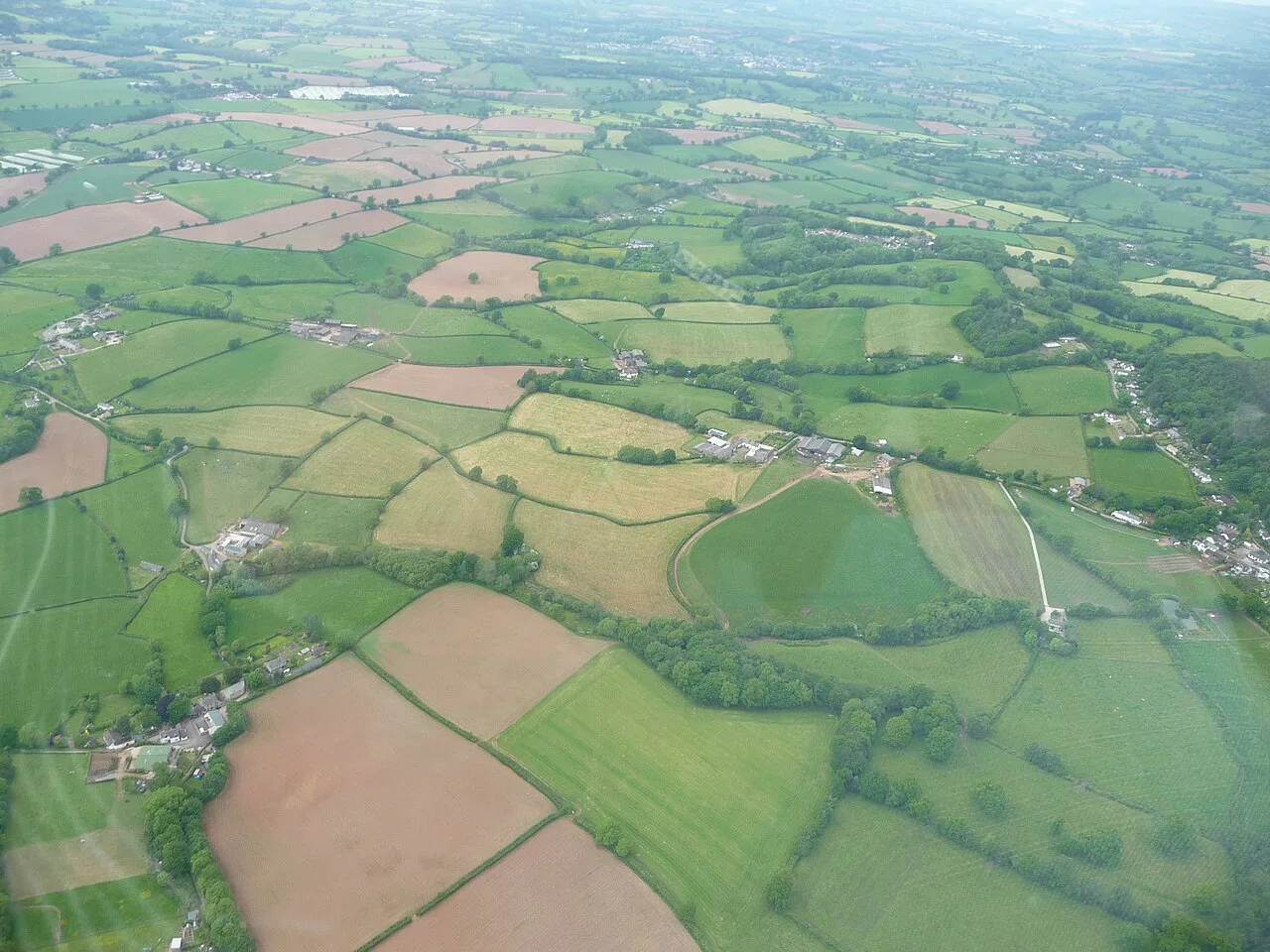
The government set out plans on Tuesday to lift the paywall on the Land Registry, which would give the public free access for the first time to information on who owns land in England and Wales. Ministers argue that opening the register would help the UK build more houses, protect nature and improve strategic planning. The proposals are open to public consultation for eight weeks.
What would change
Public sector bodies, including government departments and local authorities, would be able to use the data free of charge. That should make it easier for councils to find sites for new homes, schools, hospitals, environmental assets, water infrastructure and public transport.
A new free public dataset would identify the owners of significant land holdings and cover the vast majority of land in the two nations. Ordinary homeowners would be left out. Investigators, civil society groups and regulators who can show a clear public interest might get more sensitive information.
A government spokesperson said at least 10% of land ownership is currently unknown. Greater land transparency, the spokesperson said, would help with decisions on homes and infrastructure while benefiting the economy and nature.
Backers and a warning
Campaigners welcomed the plan but fear landowners will try to block it. Guy Shrubsole, author of Who Owns England?, called it a bold but sensible proposal and urged people to respond to the consultation. He said the country's biggest landowners "may still try to scupper these plans at the last hurdle".
Roger Mortlock, chief executive of the Campaign to Protect Rural England, said that making it easier to find out who owns what will help the country make the most of every hectare.
Gavin Lane, president of the Country Land and Business Association, which represents landowners and rural businesses, raised privacy concerns. Publishing more personal information, he said, could leave families open to fraud and other risks, especially as AI makes identity theft easier.
The Land Registry is an arm's length body under the Ministry of Housing, Communities and Local Government, though it acts largely independently. Internal disagreements between the government and the registry over how far to open it have been reported earlier.
Source: The Guardian