Dolomites Glaciers Give Up 250 Unexploded First World War Shells
Italy's army has removed and defused about 250 explosives from the first world war that surfaced this summer from retreating glaciers in the Dolomites, many of them still live.
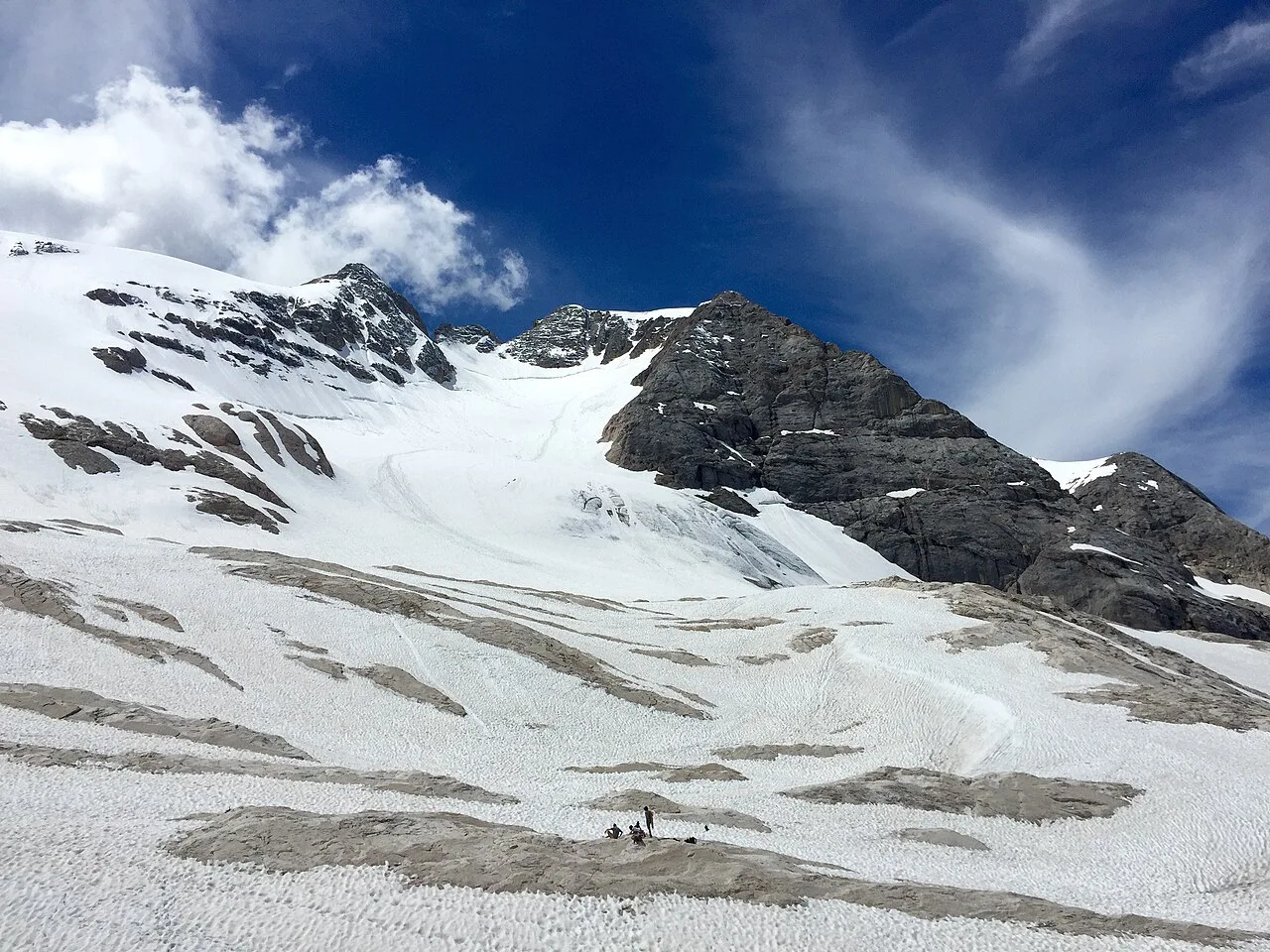
Italy's army says it removed and defused 250 explosives from the first world war that emerged this summer from rapidly retreating glaciers in the Dolomites, after hikers reported seeing them.
The cache included Italian artillery shells and French mortar bombs. Soldiers from the Julia Alpine brigade made the devices safe and took them away. Among them were 18 Italian 75mm artillery shells and 37 Thevetot mortar shells, a French-made device that was also supplied to the Italian royal army during the war.
The weapons date from the white war, fought between the Austro-Hungarian army and Italian troops across freezing, treacherous terrain between 1915 and 1918. It is not the first time relics of that conflict have come out of melting ice, and the glaciers' retreat has quickened over more than a decade.
At the end of each summer in recent years these dangerous artefacts have come out of the ice, and each year in higher numbers. The ice kept them for more than 100 years. Some had already exploded, but many had not, which makes them very dangerous now that they are exposed. Hikers and mountaineers are advised never to touch any explosive device they find, wherever it is, and to report it to the police promptly.
A war frozen in time
The white war was fought mainly in the Dolomites of Trentino Alto-Adige and the Alps of Lombardy. It stayed frozen in time until the 1990s, when global heating began to uncover perfectly preserved relics, including weapons, sledges, letters and diaries.
In 2015, a wooden barracks dug into a cave on Mount Scorluzzo, a 3,095-metre (10,154ft) peak above the Stelvio pass, reappeared after the ice that had sealed it for almost a century melted completely. The shelter had been hastily locked when the war ended in November 1918, and the soldiers left most of their belongings. Inside were straw beds, clothes, lanterns, newspapers, postcards, coins and tinned food, all well preserved. A white war museum to house such relics is due to open in Bormio in June 2027.
The white war is thought to have claimed more than a million lives, though most soldiers are believed to have died in avalanches, in falls from the mountains or from hypothermia. Dozens of bodies, some still in uniform, have emerged from the ice over the past 15 years. In 2017, the relatives of an Italian soldier were able to bury him after documents revealing his identity were found with his body on the Presena glacier.
Morosini said the intense summer heat is making the glaciers of the Dolomites less safe to reach. "It is becoming more and more impossible to access the glaciers during the summer because of the very long heatwave at high altitude," he said. Eleven people died in 2022 when a huge mass of the Marmolada glacier broke off.
Source: The Guardian