Electronics Makers Set Up Memory "War Rooms" to Find DRAM
Smaller manufacturers are hunting for memory chips on eBay and through brokers as the shortage spreads beyond PC builders, according to a report.
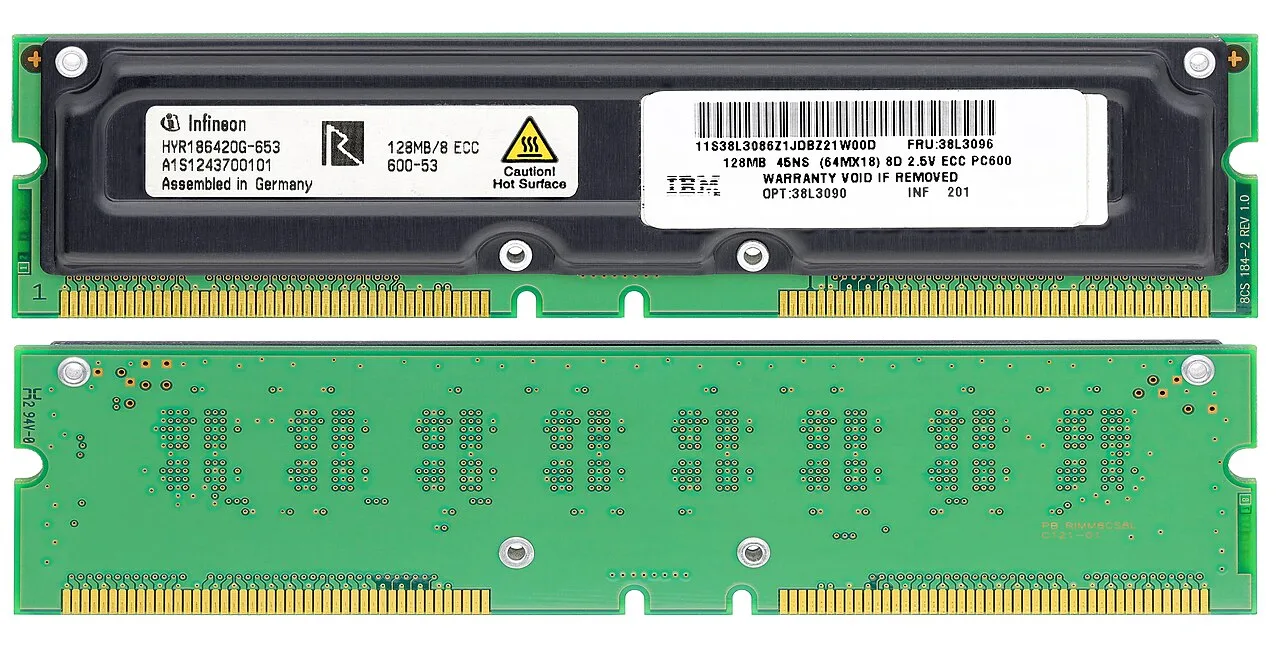
Electronics makers short of memory have started running procurement war rooms to track down DRAM, and smaller companies are feeling it most.
Why DRAM is short
The scramble for AI compute is behind the shortage, according to the report. Micron, Samsung and SK hynix, the three big memory makers, have focused production on the more lucrative HBM. SK hynix says 2027 will be the "worst year" for shortages.
All three are building new factories, but these are not expected to produce chips until 2028. The memory market swings between boom and bust, which made makers reluctant to add capacity at first. Even if they had started building at the first sign of trouble, new plants would take several years to ease supply.
How buyers cope
Big firms such as Amazon, Apple and Microsoft can use their scale to pay more and sign long-term agreements for large volumes. Smaller firms rely on brokers and whatever is available. Some have contacted hundreds of brokers and combed online listings, buying batches as small as five or 12 units. Others go to the gray market, where some sellers reportedly mix used chips into orders of new ones.
The Wall Street Journal reports that Taiwanese memory module and storage maker Apacer took out loans so it has cash ready if chips appear. "If chips show up, we take it," said its president, Gibson Chen.
Even the biggest names have trouble. The report says OpenAI CEO Sam Altman recently went to South Korea to meet Samsung leadership to secure more RAM for data centers.
No easy way for newcomers in
A new player would face huge factory costs, patent licensing and the need to develop its own technology. CXMT is the only new entrant to have produced mainstream consumer DDR5, but it faces allegations that it stole the technology from Samsung. Its chips also track market prices and trail rivals on performance.
The big three also face a price-fixing lawsuit. The suit claims the three acted together when they turned to HBM, and that this cut DDR3 and DDR4 output. The judge in that case has said collusion is plausible given the price surge.
Who pays for the shortage
Memory prices have climbed by 500%, and PC builders and enthusiasts were hit hardest. Other electronics makers now feel the squeeze too. Some passed the extra cost on to customers, while others cut product specifications and raised prices by less.
Source: Tom's Hardware