FIA Proposes Cheaper V8 Turbo Hybrids for F1 in 2030 or 2031
A proposal sent to the six engine makers outlines lighter V8 turbo hybrid engines and a halved engine budget cap. The start date is 2030 or 2031.
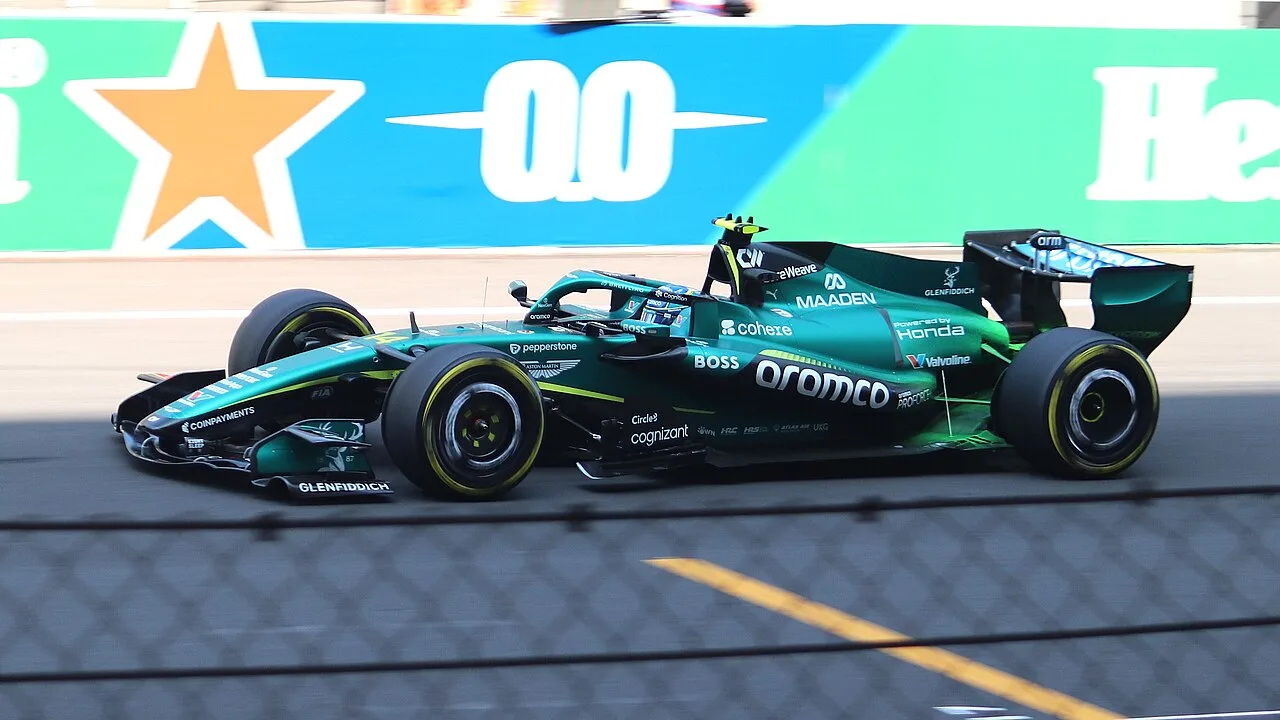
Formula 1's next engine rules are set to bring in V8 turbo hybrid engines that are simpler and cheaper to build than the current ones. The FIA has sent a proposal document to the six manufacturers as a framework for talks on engines to be introduced in 2030 or 2031, BBC Sport reports, citing multiple sources within F1.
The plan calls for lighter, more responsive cars, more emphasis on driver skill and lower costs, so that new manufacturers can enter more easily. It also keeps the sport's commitment to reducing emissions. The FIA has moved away from its earlier idea of a return to naturally aspirated engines.
What the document proposes
Today's engines are 1.6-litre V6 turbos, with a power split of 53-47 between the combustion engine and the electrical side. That moves to 60-40 in two steps by 2028.
The proposal describes a V8 of 2 to 2.3 litres with a smaller turbo at reduced boost pressure and a less powerful hybrid system. The electric motor would recover 200kW, against 350kW now. Of that, 100kW would be available at all times and another 100kW for a push-to-pass or overtake mode. The combustion engine would supply the rest of a total output of around 900bhp.
Fuels would stay fully sustainable, with the aim of making their rules less complex and cheaper to produce. The cars would lose 80kg overall.
The document also proposes cutting the engine budget cap by 50% from the current $190m (£143m) a year. That figure is a starting point for discussion. There are concerns about how teams would reach it without hurting their workforces.
Two routes, one disputed
The document sets out two ways forward. The first would keep changes to a minimum: a 2.1-litre V8 could be made by adding two cylinders to the current 1.6-litre blocks and shrinking the turbo and the MGU-K.
The second would have an external manufacturer design and supply a baseline power unit with a high degree of standardisation, which makers could then customise. Insiders say all the manufacturers want to design and build their own units and keep engines as a performance differentiator.
The current suppliers are Mercedes, Ferrari, Audi, Honda and Red Bull. Cadillac, which entered F1 this year with its own team, plans to build an engine to the new rules.
The timing is tied to the budget cap talks. Current contracts bind the FIA, the teams and the commercial rights holder only until 2030. FIA president Mohammed Ben Sulayem has previously threatened to introduce his own rules in 2031, but that threat appears to have receded.
An FIA spokesperson declined to comment on the document. The aim is for discussions over the coming weeks to produce a proposal for the FIA world council in December.
Source: BBC Sport