Savers Face 24%, 44% and 49% Tax Rates From April
Chancellor John Healey added two points to planned tax rates on savings income. Experts outline allowances and steps that can soften the hit.
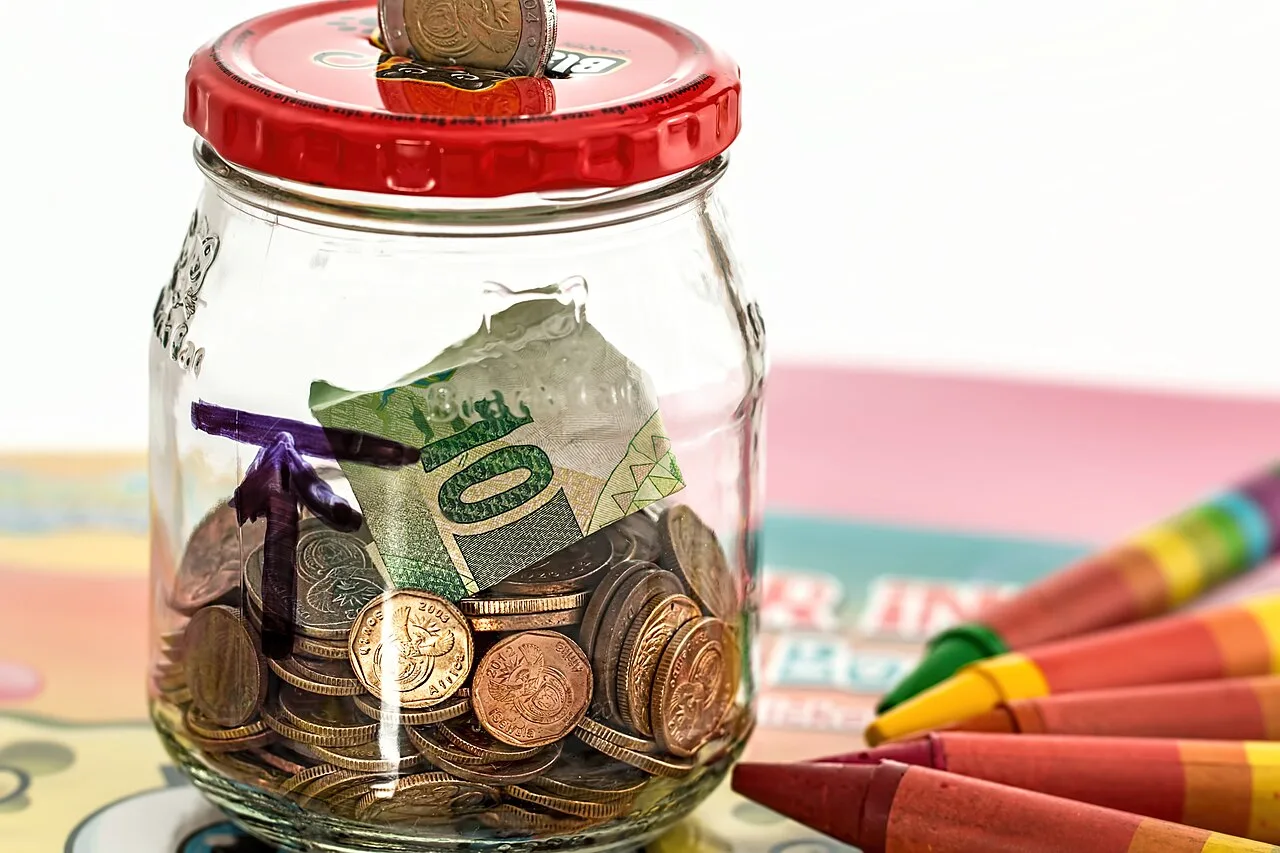
Savers will pay higher tax on interest from 6 April. The rates are 24% for basic-rate taxpayers, 44% for higher-rate taxpayers and 49% for those on the additional rate. They apply across the UK.
The increase came in Wednesday's budget, John Healey's first as chancellor. Rachel Reeves had already announced higher income tax rates for savers and landlords from April 2027. Healey added two percentage points to each of them. He also dropped a plan to cut the cash Isa limit for under-65s from £20,000 to £12,000.
Jason Hollands, managing director at Evelyn Partners, called the higher rates a "sting in the tail" for savers.
What it takes to keep pace with inflation
Anna Bowes of The Private Office gave an example with inflation at 3.5%. A basic-rate taxpayer would need to earn 4.61% gross interest to keep the value of their money. A higher-rate payer would need 6.25%, and an additional-rate taxpayer 6.86%. She said the two higher figures are "impossible as far as I am aware" to find on a standard savings account.
Allowances that still apply
Interest in a cash Isa is tax-free. The personal allowance is £12,570 for 2026-27, and unused parts of it can cover savings interest. The personal savings allowance is £1,000 for basic-rate taxpayers and £500 for higher-rate taxpayers. Additional-rate taxpayers get none.
Some people on low incomes also get a starting rate for savings, with up to £5,000 of interest tax-free. Their other income must be below £17,570 a year.
A basic-rate taxpayer with £20,000 in a non-Isa account paying 5% earns exactly £1,000, which uses the whole allowance. Interest above that would be taxed at 24%. A higher-rate taxpayer would use up the £500 allowance with £10,000 in the same account, and would pay 44% above it. With accounts paying 5% or more, these limits are much easier to pass.
Hollands said married couples and civil partners should look at savings and allowances together. Moving cash to a partner on a lower tax rate could cut the family tax bill, but the transfer must be genuine.
Parents can pay up to £9,000 a year into a junior Isa. Outside the wrapper, a parent is taxed if a child earns more than £100 in interest from their money. That does not apply to grandparents. Pension contributions can also avoid savings tax and bring tax relief. Dan Coatsworth of AJ Bell said relief is available at the highest marginal rate.
For money that must stay accessible, premium bonds are one option. They pay no interest, but prizes are tax-free, and each person can hold up to £50,000. Hollands and another expert suggested low-coupon, short-dated gilts, whose return at maturity is not liable for capital gains tax.
Source: the Guardian