Oxfam Retail Profit Falls 23% as Charity Shops Struggle
Oxfam's shop profit dropped to £4.9m and the British Heart Foundation plans 150 closures, while UK secondhand clothing spending has quadrupled in a decade.
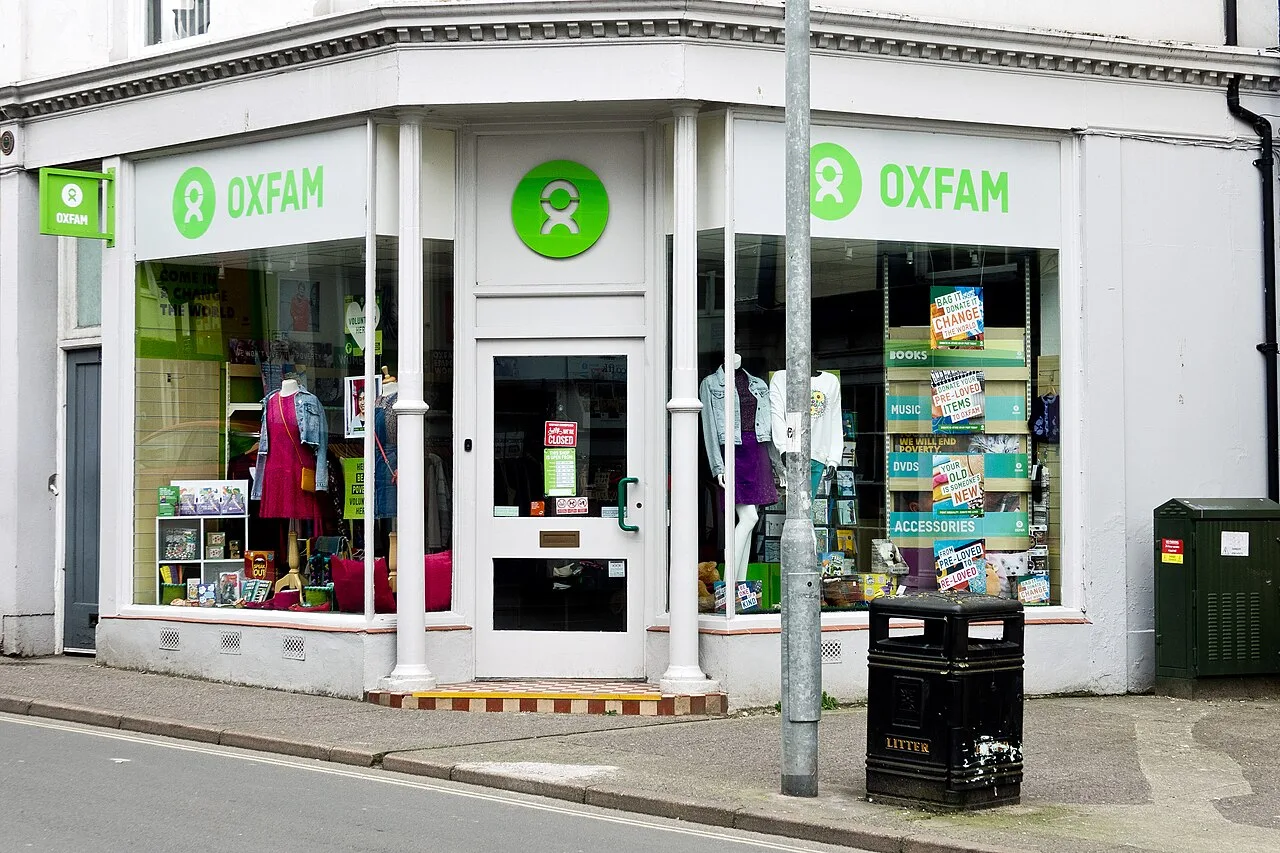
Profits at some of the UK's best-known charity shops have plummeted. Pressure from online secondhand platforms is one of several causes, and some say a key part of the sector's fundraising model could be under threat.
Oxfam's retail profit fell 23% to £4.9m in its last financial year, from £6.4m the year before, according to unpublished accounts seen by the Financial Times. Oxfam's filings show that of every £100 spent in its shops, £6 now goes towards its work on alleviating global poverty. In 2022 the figure was £22.
"It has been challenging … and it is going to be painful for the sector," Lorna Fallon, head of Oxfam's retail operation, told the FT. Oxfam has no plans to cut its number of shops, because of its focus on books and music.
Closures elsewhere
No UK charity has a bigger high street presence than the British Heart Foundation. It plans to close 150 stores, which together lost £3.3m over the past financial year. Cancer Research UK and Scope are shutting, or have shut, some of their shops too.
In June the BHF reviewed its retail arm, which employs almost 3,700 staff. Shop profits fell from £18.8m in 2024 to £3.6m in the year to 31 March 2025. The charity cited "an exceptionally challenging trading environment". It aims to close 90 stores by the end of March 2027 and 60 more by the following March.
The losses come even though UK spending on secondhand clothing has quadrupled over the past decade, to £8.8bn a year, according to GlobalData. Sites such as Vinted and Depop connect sellers and buyers directly. People who might once have donated clothes may now be selling them. Chinese companies are also selling more clothes in developing countries, particularly in Africa, long a major market for unwanted secondhand clothing.
Charity shops, by contrast, carry rents, warehouse costs and the work of collecting, sorting, pricing and storing clothes. Donations are also getting worse. Tansy Hoskins, author of Charity Shop World, described "avalanches" of poor-quality clothes. "Quality is the big change marker – it's gone through the floor," she said.
Disagreement on the cause
Robin Osterley, chief executive of the Charity Retail Association, agreed that fast fashion has hurt donation quality. But he said the association does not see Vinted or other platforms as an issue. They have helped normalise secondhand shopping, he said, and many people buy from charity shops to resell online, which gives members significant income. He pointed instead to the November 2024 budget. National insurance increases and a lower threshold, which affects part-time staff, have had a "really significant" effect on costs, he said, along with wider inflation.
Richard Hawkes, chief executive of Oxfam GB, said the sector has been hit by the cost-of-living crisis like the rest of the high street, but there is still reason to be hopeful. The growth of secondhand offers "real opportunities", he said, though it means rethinking the traditional model. Oxfam's shops also give it a presence in communities and involve more than 20,000 volunteers.
Source: the Guardian