Kew Researchers Separate Two Fungi Confused Since 1781
A Kew-led study says Ganoderma lucidum and the medicinal lingzhi are distinct species that split at least 16 million years ago, and proposes calling the European one "false lingzhi".
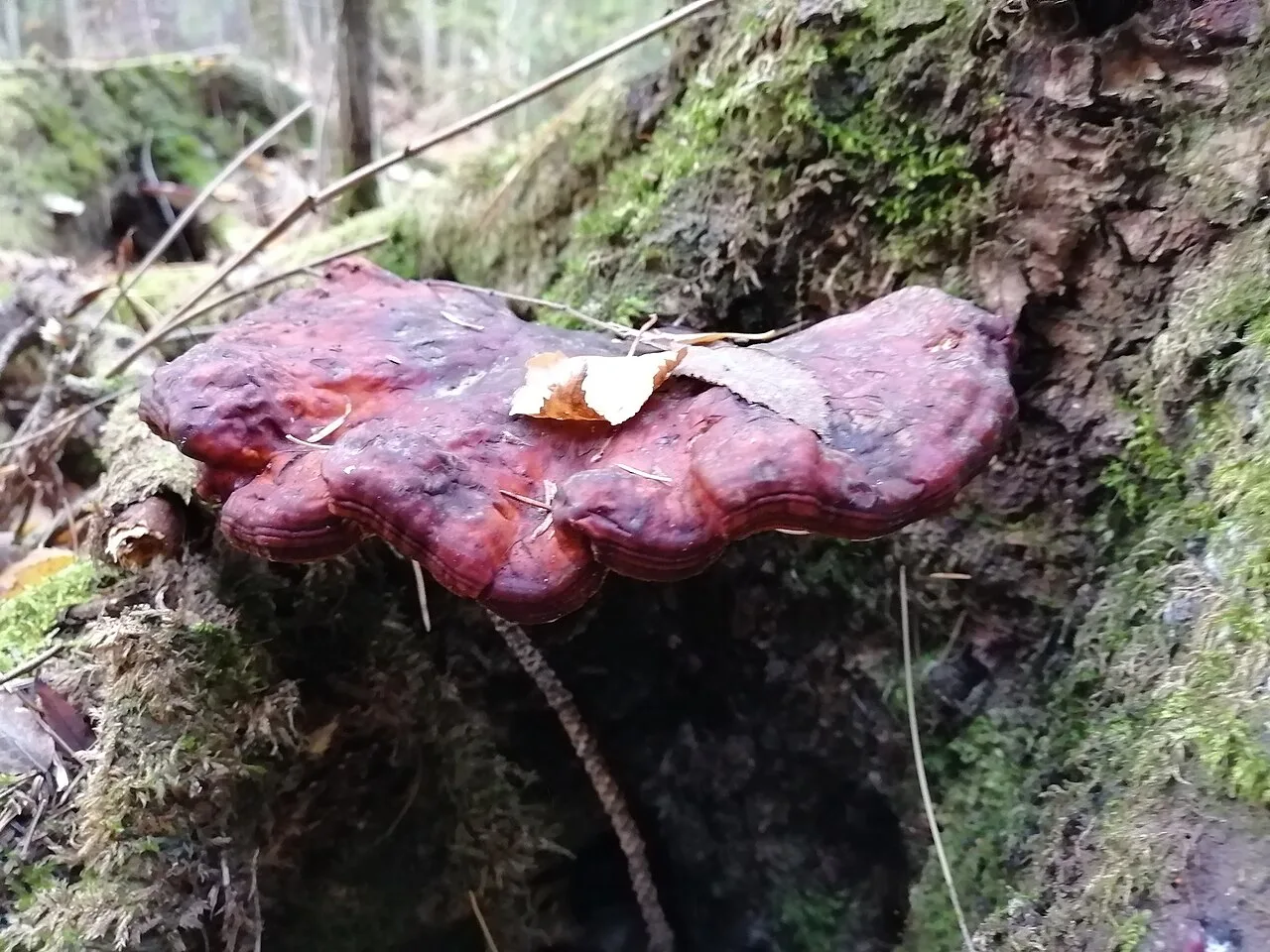
Scientists at the Royal Botanic Gardens, Kew have drawn a clear line between two fungi that have been mistaken for each other for more than 240 years. Their study in Plants, People, Planet separates Ganoderma lucidum, a European bracket fungus described in 1781, from Ganoderma lingzhi, the East Asian species behind the medicinal lingzhi, or reishi.
The two look very alike, and it became common to call every similar-looking fungus G. lucidum. The team says the mix-up could cause problems for consumers and for the traditional Chinese medicine industry, estimated at £200 billion ($271.14 billion).
Why it matters
G. lingzhi is prized in traditional medicine for anti-inflammatory and anticancer properties, and has become a popular supplement in North America and Europe. Drug research on it is held back by confusion over its identity. It is unclear whether G. lucidum shares any of these benefits.
Using historic specimens in Kew's Fungarium, the researchers conclude that the two species diverged at least 16 million years ago. They suggest the new common name "false lingzhi" for G. lucidum. Torda Varga, the Kew research fellow who led the project, said treating the two as one species is "comparable to treating humans and orangutans as a single species."
A missing specimen
The confusion goes back to botanist and entomologist William Curtis, who first described G. lucidum in 1781 under a different name. Only an illustration of his type specimen survives, with no physical material, so researchers had nothing to study for centuries. Pharmacological data were often wrongly credited to G. lucidum.
A breakthrough came in April 2025, when Ganoderma specialist Viktor Papp of the Hungarian University of Agriculture and Life Sciences visited Kew. He spotted a mislabelled fungus collected on a hazel tree near London that closely matched Curtis's description. Its DNA was sequenced and became a reference point.
Standard DNA barcoding turned out to work poorly in this group. Only 149 of the 1,130 public sequences potentially assigned to G. lucidum could be identified as that species. The authors recommend confident identification based on several genomic fragments combined with evolutionary modelling.
Placed against the new reference, every genome labelled G. lucidum in public databases belongs to another species. No true G. lucidum genome is yet available to study. The authors say there are hints that it may have bioactive properties, but more research is needed.
The team found distinct European–West/South Asian and East Asian clades of G. lucidum, the latter possibly a new species. A Chinese group formally described the East Asian lineage as G. sinolucidum in September 2026.
Source: Plants, People, Planet