Bank of England Faces a £160m Revamp of Its Headquarters
The Bank is planning a £160m overhaul of its Grade I-listed Threadneedle Street home while 3,500 staff keep working there. Approvals are still pending.
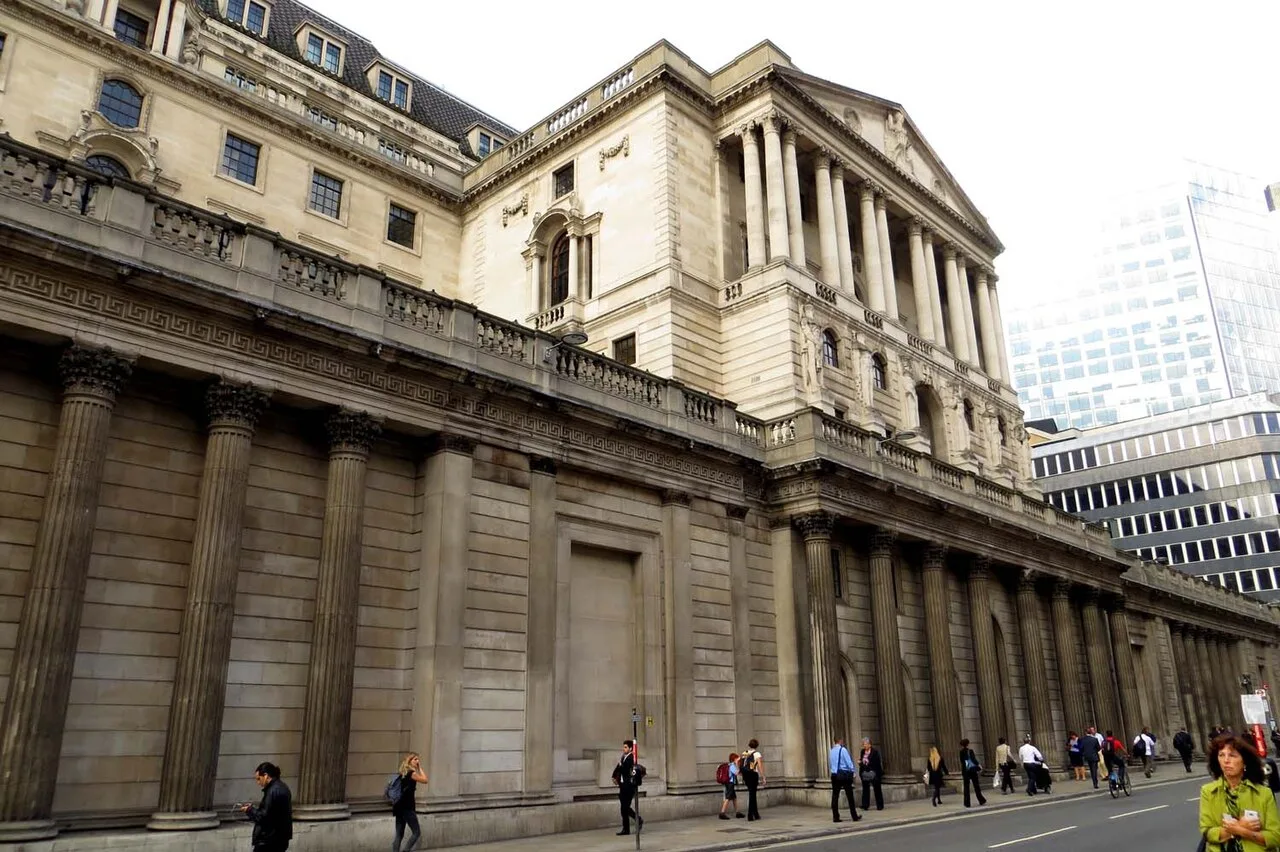
The Bank of England is preparing a £160m overhaul of its historic Threadneedle Street headquarters in London. Governor Andrew Bailey now has a building project to manage as well as interest rates, and the Bank wants no repeat of the cost overruns seen at the US Federal Reserve.
Work inside a listed landmark
The plan assumes the Bank can keep 3,500 people at their desks while the Grade I-listed structure and its interiors are modernised around them. The building has Roman mosaic floors, stone columns and ornate vaulted ceilings, and these are to be preserved. Exact floorplans stay secret because of fear of terror attacks.
The Bank began in rented premises in 1694 and moved to Threadneedle Street in 1734. Sir John Soane refashioned it between 1788 and 1833, and the 1920s brought a rebuild after the interior was largely torn down.
The project was first announced in July 2025. Work was due to start this month. The construction company Sir Robert McAlpine only won the building contract in October, a month before the start.
The Bank insists nothing will slip. It points to the appointment of architects. A project manager, a cost consultant and an engineering firm have been signed up too, and have begun looking at budgets and timescales.
How the money is meant to arrive
The Bank expects to fund the scheme from savings of an estimated £100m a year for three years. These come from 450 redundancies and other cost cuts.
Another 1,400 employees work in a nearby office at 20 Moorgate. Their futures are tied to the same timetable: by summer 2028 each will either have moved to Threadneedle Street, taken voluntary redundancy, or been offered a job at a new Leeds outpost that is itself being refurbished. One staff member told the Guardian: "It's like there is a leaving party every week."
The Fed and Big Ben as warnings
The Federal Reserve's renovation in Washington is the example the Bank wants to avoid. Its budget started at $921m in February 2020. By December 2024 it had reached $2bn. Completion was due in mid-2024 and is now expected in December 2027. Costs are now likely to end up closer to $2.5bn. The dispute led to Donald Trump threatening the Fed with court action.
The Bank's scheme is much smaller. It is nearer in scale to the £80m restoration of the Elizabeth Tower, home of Big Ben, than to the possible £60bn cost of renovating the Palace of Westminster. The tower's budget doubled and then rose by a further 20%, which brought parliamentary scrutiny.
Approvals and open questions
Architectural plans have not yet been agreed with the City of London Corporation or Historic England. Anna Joynt, a heritage expert at Allies and Morrison, said it is common for large historic projects to start preparatory work before full consent. She said it can save money because costs rise the longer a project waits.
There is some visible progress. The roof of the main portico is covered in scaffolding for repairs. Last year the Bank won planning permission to open up one small section, the former governor's secretaries' offices.
The vaults hold 400,000 bars of gold worth more than £200bn and £100m of banknotes, so security matters throughout the works. New rules on fire safety, accessibility, electrical testing and heating from renewable sources add to the cost questions. The Bank's museum is also undecided. Some senior staff had wanted it moved into the central quad, with the 100,000 yearly visitors, mostly schoolchildren, entering by the main door.
A Bank spokesperson said the Bank is considering how best to renovate the site and optimise running costs. Procurement, the spokesperson said, aims to deliver value for money. Vivienne Grafton, executive director of central operations, called it a chance to breathe new life into a legacy building.
Source: the Guardian