CVS Plans to Split Pharmacies From Aetna by 2028
CVS Health will divide into two public companies by the first half of 2028, separating its pharmacies from its insurer and Caremark. Shares closed more than 12% lower on Wednesday.
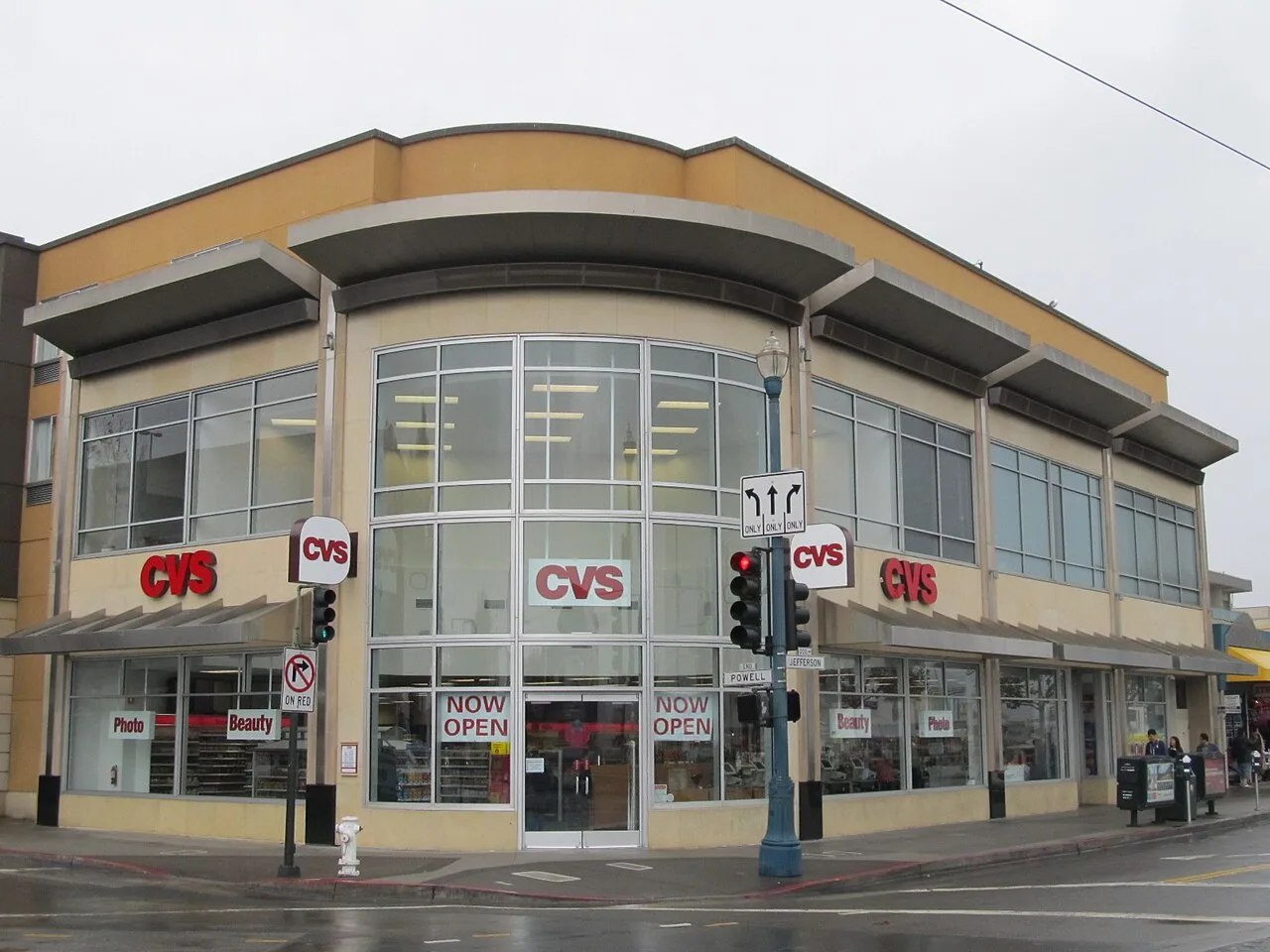
CVS Health plans to take apart the integrated group it created when it bought Aetna. The company will split in two by the first half of 2028, which would make it among the biggest corporate breakups ever.
What gets separated
The retail business of about 9,000 pharmacies will become one company, CVS Pharmacy, led by Prem Shah, now group president of CVS Health. The other company keeps the CVS Health name and is run by CEO David Joyner. It will hold the insurer Aetna, the pharmacy benefit manager (PBM) Caremark, primary care business Oak Street Health, home-visit provider Signify Health and the specialty drug unit.
Both will be publicly traded. Current shareholders will own stock in each. Other leaders and board members are to be named later.
The split reverses the $78 billion purchase of Aetna that created the vertically integrated group in 2018. CVS said it reached the decision after a strategic review by its board. The Financial Times reported the plan first, on Tuesday.
The numbers
Shares closed more than 12% lower on Wednesday. Since Joyner became CEO in October 2024 the stock has gained roughly 70%, and the company is now valued at $117 billion.
In 2025 the pharmacy business had $37.66 billion in sales, the insurance unit $36.29 billion and healthcare services $51.24 billion. For the third quarter, CVS reported earnings and revenue above Wall Street expectations, with total sales of $108.40 billion against $102.87 billion a year earlier. Pharmacy services revenue fell.
Joyner's case and the pressure on PBMs
Joyner told CNBC the decision comes "out of a position of strength", citing recovery in Aetna's Medicare business and solid retail performance. When CVS first weighed a split in October 2024, he said, it was in a turnaround and lacked the flexibility and cash.
Leerink Partners analyst Michael Cherny said the plan shows the pharmacy's stability. He added that the rationale could also extend to state legislative scrutiny of vertical integration. PBMs face bipartisan attention in Washington and the states. Tennessee and Arkansas have passed laws banning co-ownership of PBMs and pharmacies, and CVS and others are challenging them in court.
Investors may ask whether pharmacies stay as competitive once they no longer sit in the same group as a PBM. Joyner told analysts the links will be kept through commercial agreements between the two firms.
Our view
CVS credits its own strength for the timing, while an analyst points to growing legal pressure on PBM ownership. The company's statements do not settle which of the two weighs more.
The test comes in the commercial agreements between the two firms. Their terms will show whether the pharmacy keeps its advantage without owning the PBM.
Source: CNBC