European Ukraine Force Would Return Fire, Skip US Tech
Western officials say an Anglo-French peacekeeping force could fight back if Russia attacks it, and would avoid US systems such as Starlink.
Britain, France and their partners have outlined plans for a possible force that could go into Ukraine after a ceasefire. Western officials say its troops could return fire if Russians attack them, and that it would work without American technology.
Rules of engagement
The force would be led by the UK and France and is expected to be almost entirely European. One official said the troops would protect themselves against aggression but act in a manner that is "defensive in nature". The rules would also let troops defend against Russian drone attacks.
It is unclear how Moscow would react to an armed incident. Self-defence is a right every military claims, and in practice it is often read broadly.
A rehearsal in Poland
The details came as the two countries described Exercise Koalicja, set for later this month in Poland. Eleven nations will practise a quick deployment of European forces to Ukraine in case the war ends. The drill involves 2,800 personnel across the services, among them 1,500 French troops from the 1st Division and 300 British troops from the 7th Light Mechanised Brigade.
The other participants are Poland, Germany, Belgium, Estonia, Lithuania, the Netherlands, Spain, Sweden and Turkey. Lt Gen Tom Bateman, who commands the force, said the aim is to show readiness, fast deployment and the ability to operate effectively. He said work on the plans began more than a year ago.
Why no American systems
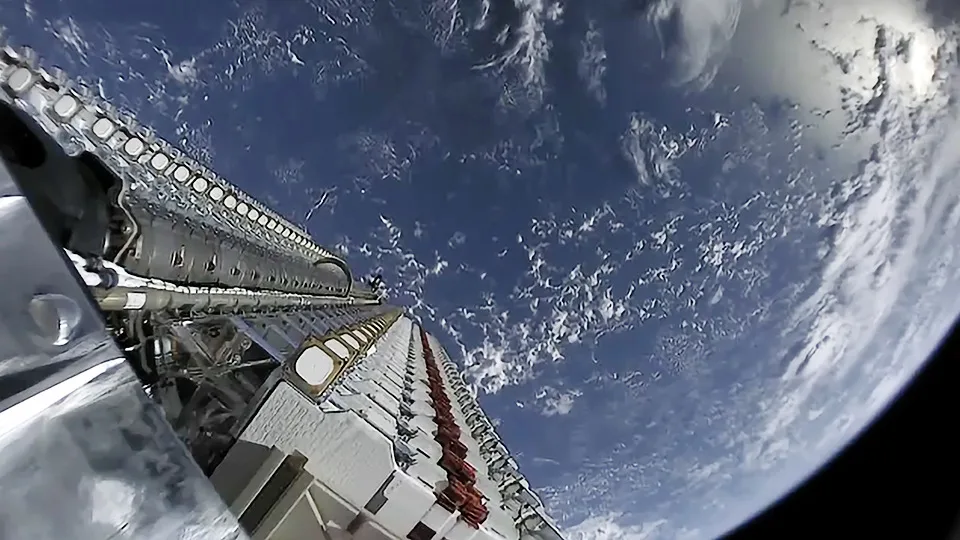
Bateman stressed that the force is outside Nato and would get little or no US support. Planners are taking care to avoid US technology. Asked about Starlink satellite communications, one official said: "We are not dependent on US systems."
International concerns have emerged about the reliability of US support for allies. Last month the US briefly restricted Ukraine's use of Starshield, the military version of Starlink, for about 10 days, which affected medium-range drone missions. President Donald Trump has also said he would not send American troops to keep the peace in Ukraine after a durable ceasefire.
Jets, mines and a distant front
A main goal is to assist with rebuilding and strengthening Ukraine's military, with western troops stationed well away from the front. Fighter jets are expected to patrol so Ukraine's commercial airports can reopen. Turkey is to lead a mine-clearing operation in the Black Sea to restart grain exports and other shipping.
None of it is certain. Peace efforts this autumn have made little progress, though US-brokered three-way talks are planned for later this month. Russia has a long record of low-level attacks during the 2014 to 2022 ceasefire, so a deployment could still involve British forces in fighting.
Our View
The defensive framing will be tested in practice. Troops that may shoot back at drones could be drawn into a clash. Much depends on how Moscow responds to any European force, and no Russian reaction is reported yet. The no-US design may show what planners expect from Washington.
Source: The Guardian