NHS England Rolls Out Child Early Warning Scores in A&E
A standardised vital-signs scoring system for spotting sick children who are getting worse will be used in emergency departments across England this winter for the first time.
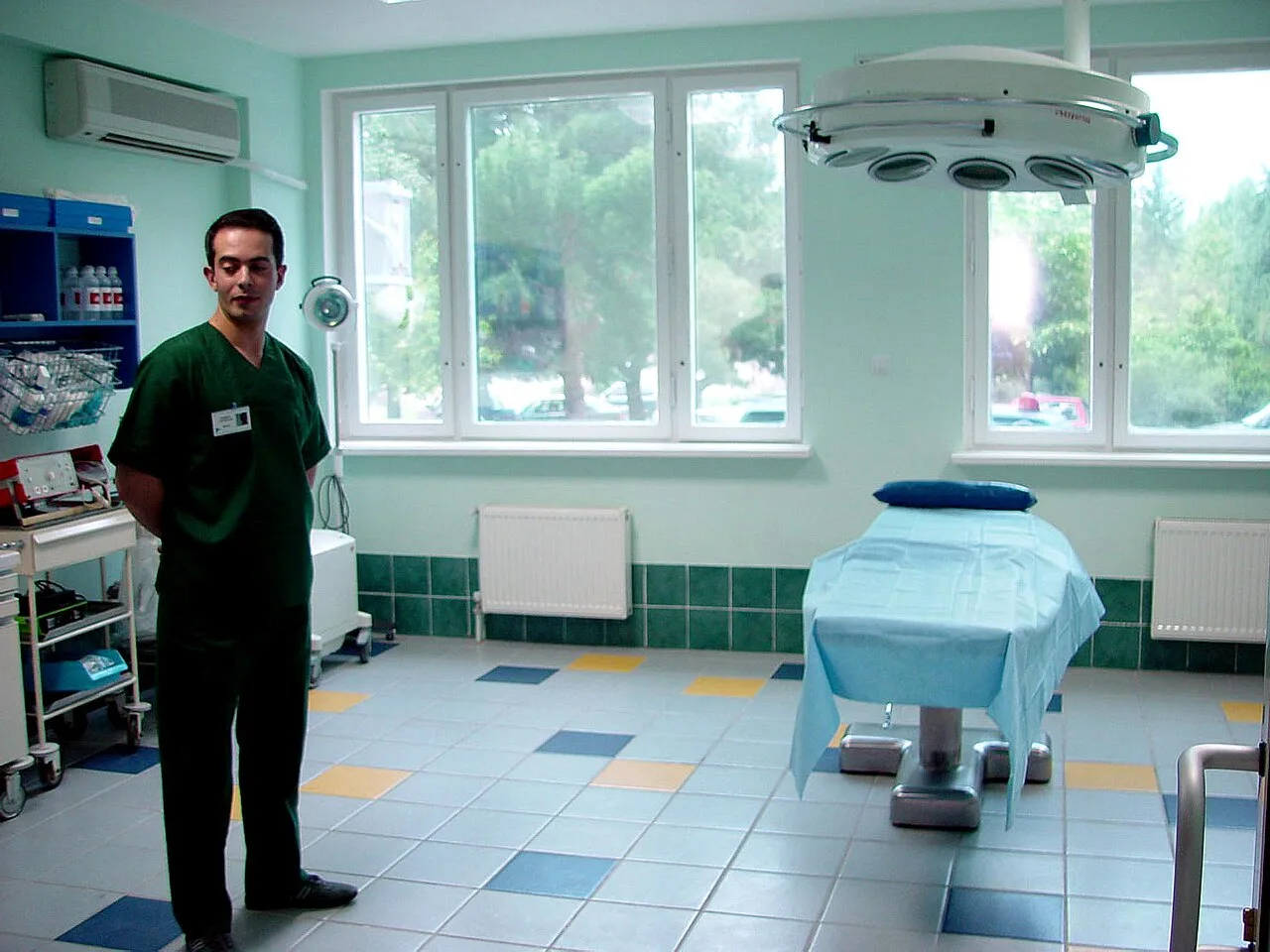
Children who arrive in an English emergency department this winter will be scored on one national checklist of vital signs. NHS leaders say it is the largest standardised system of its kind in the world.
What the scoring system does
The paediatric early warning system, known as Pews, gives a child a score based on vital signs. Staff record blood pressure, heart rate, breathing rate, oxygen levels and consciousness. A high score tells them a child may be getting worse and needs more urgent attention.
The charts are age-appropriate, so they reflect what counts as abnormal in babies, children and young people. This version is built for A&E, where staff have to decide quickly.
Parents still count
NHS England says the score is not a replacement for professional judgment, or for what parents, carers and children themselves say about a child's condition. A low score does not block action: concerns raised can still trigger an immediate escalation of care.
Duncan Burton, the chief nursing officer for England, said the approach should help staff recognise warning signs and communicate concerns when "every moment matters".
From wards to emergency departments
Pews is already used for inpatients, and more than 90 hospitals in England use the national inpatient version. According to NHS England, data suggest those hospitals have consistently lower rates of cardiac arrest among their patients. This winter is the first time it will be used in A&E.
The scale is large. More than 6 million children attend A&E in England each year. Adults already have a similar process, the national early warning system, which NHS hospitals use.
Reaction from the professions
Dr Mike McKean of the Royal College of Paediatrics and Child Health, which worked on the system, said he was pleased to see it arrive before the busy winter period. Prof Lynn Woolsey of the Royal College of Nursing, also involved in the work, welcomed the emphasis on listening to children and families.
Woolsey added a condition. Nursing teams will need enough staff, capacity, training and support to spot deterioration and use the system well.
Work is also under way on urgent new standards for how children are cared for in A&E. Ending corridor care for children is a priority in them.
Our View
A score only helps if someone has time to take and act on it. Woolsey's warning about staffing points at the real test, which is whether busy departments can record vital signs consistently and respond early. The lower cardiac arrest rates seen on inpatient wards cover a different setting, so they are not proof that A&E will see the same effect. The new children's standards, once published, will show how the score fits with plans to end corridor care.
Source: The Guardian