FDA Removes Black-Box Warnings From Three Menopause Patches
Officials said three more estrogen patches will lose their boxed warnings. The FDA again skipped an advisory committee, and some experts raise concerns about transparency.
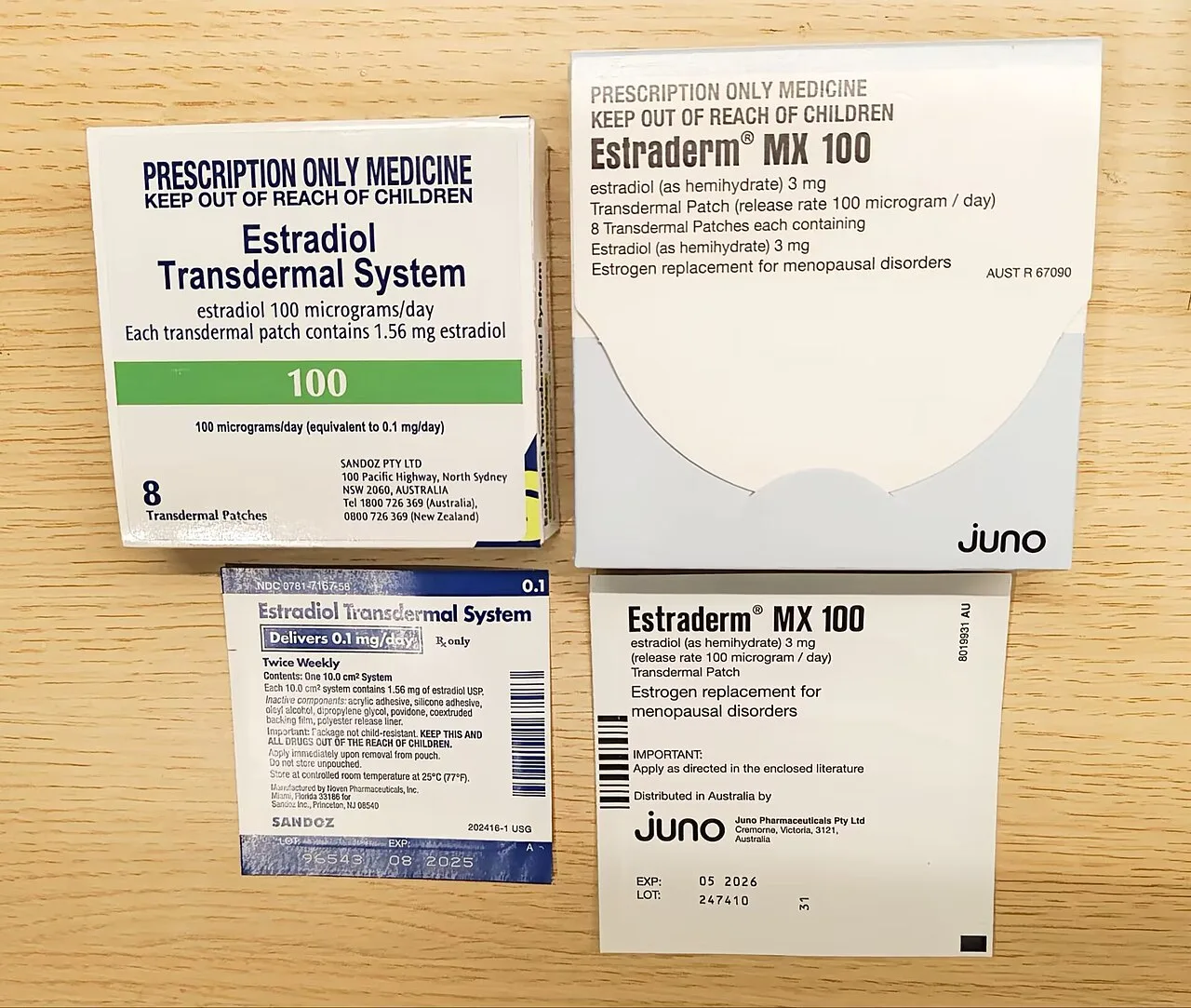
Three more menopause patches will no longer carry black-box warnings about cardiovascular disease and breast cancer, officials at the US Food and Drug Administration said on Friday.
The agency did not convene an advisory committee. In the press briefing it gave few details on the scientific basis for the decision. When journalists asked for the evidence, officials said it could be provided later.
The move follows the removal of black-box warnings from six menopause treatments in February. Patients across the US are struggling with shortages of the patches.
What officials said
Sarah Ibrahim, deputy center director for regulatory programs at the FDA's Center for Drug Evaluation and Research, said the warnings "painted a broad and, in some cases, overstated pictures of risk". She said updated evidence shows the risk-benefit profile looks "meaningfully different" for many healthy women under 60 and within 10 years of menopause onset.
Ibrahim acknowledged the supply problems. After the label change in February, demand for estradiol patches "increased significantly", and patients in many areas found it hard to get their usual patches at their usual pharmacy. "I want you to know that we hear you," she said. The FDA is working with manufacturers to ramp up production and is also working to change the labels of the remaining menopause hormone treatments.
Dorothy Fink, deputy director of the National Institute of Child Health and Human Development, said manufacturing of estrogen patches has doubled over the past year. Even so, patients report stock-outs.
The agency is also exploring whether vaginal estrogen products could be sold over the counter, according to an FDA press release issued on Friday.
Concerns over transparency
"I have been concerned by the lack of transparency behind these decisions," said Reshma Ramachandran, an assistant professor and health services researcher at Yale School of Medicine. She said blanket removal of the breast cancer and cardiovascular warnings without clear justification can mislead patients and underplays real potential harms. Some groups face particular risks, she said, such as people with a history of hormone-sensitive cancers.
Estradiol patches are usually considered lower risk than synthetic oral medications because they enter the bloodstream without first going to the liver. Research shows the risks of the patches are higher at high doses.
Menopause experts have said that officials in the Trump administration have made sweeping, "data-free" claims about the benefits of these treatments, including improved longevity, that research does not support. They say that skipping advisers and omitting research sets a troubling precedent.
The FDA also bypassed its advisory committees last November when it announced it would remove the warnings. A spokesperson said at the time that committees are "bureaucratic, long, often conflicted, and very expensive". The agency instead convened a panel in July 2025, which Ramachandran said featured doctors and influencers who were all vocal proponents of hormone therapy. Several had conflicts of interest, she said. Public testimony was not allowed at that meeting, she added, including from the lead investigator of the Women's Health Initiative. The FDA opened a public comment docket after audience members raised concerns.
Source: The Guardian