Democrats Plan Their Cost-of-Living Agenda After Midterm Win
After the midterms, Democrats are drafting plans on groceries, healthcare, corporate power and watchdogs. Many details are still unclear, and Trump's veto power limits what can pass.
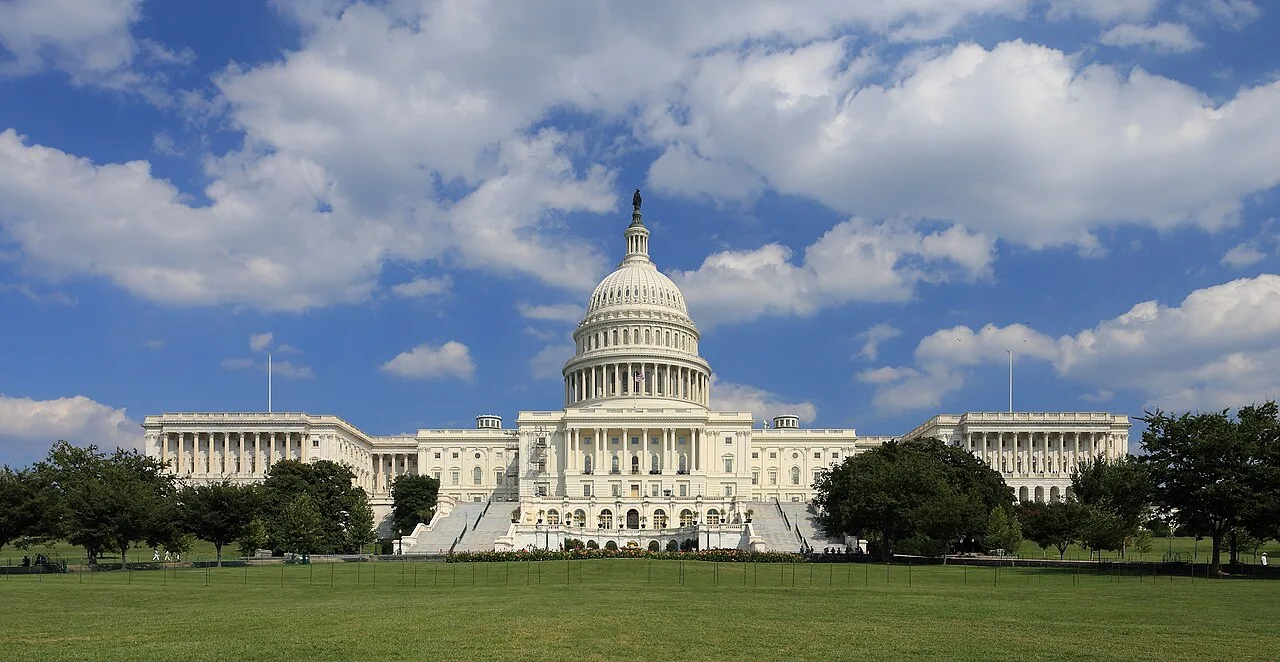
Democrats won the midterms on promises to bring living costs down. With Trump holding a veto, most of those promises can only become law with Republican help.
What Congress can actually pass
Anything the president dislikes needs a clutch of Republicans to get through. Democrats therefore expect two piles of bills. Some, such as curbs on private equity and on credit card interest rates, Trump may back. Others he will veto, and Democrats plan to use those for political messaging against Republicans.
Plenty of ideas are already circulating. Illinois governor JB Pritzker published 75 pages with 200 proposals for Congress's "day one agenda". Columbia professor Tim Wu is pushing an "affordability bill". Moderate Democrats argue for more incremental steps.
Not everyone wants caution. Joe Van Wye, a senior adviser on public policy at a Washington law firm, says Democrats should aim at corporate power itself. In his view, passing only the bills Trump will accept would not be enough.
A recent Equal Rights Advocates Action Fund survey found that voters look to Congress for secure social security, better pay and lower prices for essentials, healthcare and family care. Their backing is conditional. Carrie Joy Grimes, founder of the non-profit WorkMoney, described the election result as "probation and not a mandate".
Investigations as a political tool
Hakeem Jeffries, the likely House leader, set up five affordability working groups in 2026. Their remit includes grocery and gas prices and childcare. Jeffries wants each House investigation tied back to one of those topics.
Sitting Democrats have already written to oil companies, airlines, tech firms, banks and grocery chains about practices that make life costlier for consumers. Many of these "target" letters are not public yet. They are preparing public hearings where chief executives would face questions on algorithmic pricing, pay at the top and corporate profits. New bills aimed at company conduct are meant to come after.
Ronak D Desai, who heads the congressional investigations practice at the law firm Paul Hastings, expects scrutiny of "the extent to which corporations engaged with the Trump administration". One public clue came last week from Maryland's Jamie Raskin. He asked the White House for details of tariff carveouts granted to Apple and other companies that gave Trump lavish gifts.
Hundreds of workers at agencies covering air, water and consumer safety have been fired or pushed out by the administration. Congress cannot order their return. Hearings on the effects for consumers' health, safety and finances are likely, putting budget chief Russ Vought and other officials in the spotlight. Elizabeth Warren will run the Senate banking committee in January. She created the Consumer Finance Protection Bureau after the 2008 housing crash. Its funding has been cut sharply and orders punishing companies were scrapped.
Healthcare: the what and how are open
Democrats promise to roll back the cuts to Affordable Care Act subsidies and the Medicaid work requirements. Both came from Trump's One Big Beautiful Bill Act, whose Medicaid cuts total $1tn. Any change needs a deal with Trump or Republicans and might travel inside a bigger spending package.
Michigan's Abdul El-Sayed and South Carolina's Annie Andrews campaigned on overhauling a costly healthcare system that leaves millions in medical debt, and Texas's new senator James Talarico promises universal care. Alexandria Ocasio-Cortez will head a House working group to decide the next steps. In the Senate, Bernie Sanders chairs the Help committee. He wants Medicare for All and, right away, a Medicare age of 55 plus vision and dental coverage.
The Patients Before Monopolies Act, a bipartisan bill to break up large healthcare conglomerates, is expected to return. David Joyner, chief executive of CVS Health, said on Wednesday that the bill was one reason his company chose to split up.
Fuel, groceries and tariffs
Schumer and fellow Democrats pledged to stop the Iran war, which has raised heating oil and other prices, and to scrap Trump's tariffs. The tariffs have cost the average household $1,110 this year. Maryland senator Chris Van Hollen, who is exploring a 2028 presidential bid, wants Democrats to vote against the stopgap funding bill that expires in mid-December, so that no new money goes to the war.
No clear route exists for ending the tariffs. Trump and his cabinet have brushed aside links to high costs. Yet some congressional Republicans now criticise the tariffs. That makes it conceivable to reach the two-thirds majority that a bill needs to pass without Trump. Earlier this year Democrats, Vermont's Peter Welch among them, put forward a bill that would drop tariffs on Canadian goods, and Republicans blocked it. Welch says it will go to the White House again in the new Congress. Congress cannot force the president to sign it, he told CBC, but it can pass the bill in good faith.
Source: the Guardian