Huang's Exit From Nvidia Puts Tech's Honeypot Risk in Focus
After Jensen Huang resigned as Nvidia CEO amid reports of ties to a suspected Chinese spy, security experts say honeypot schemes and social engineering target tech executives constantly.
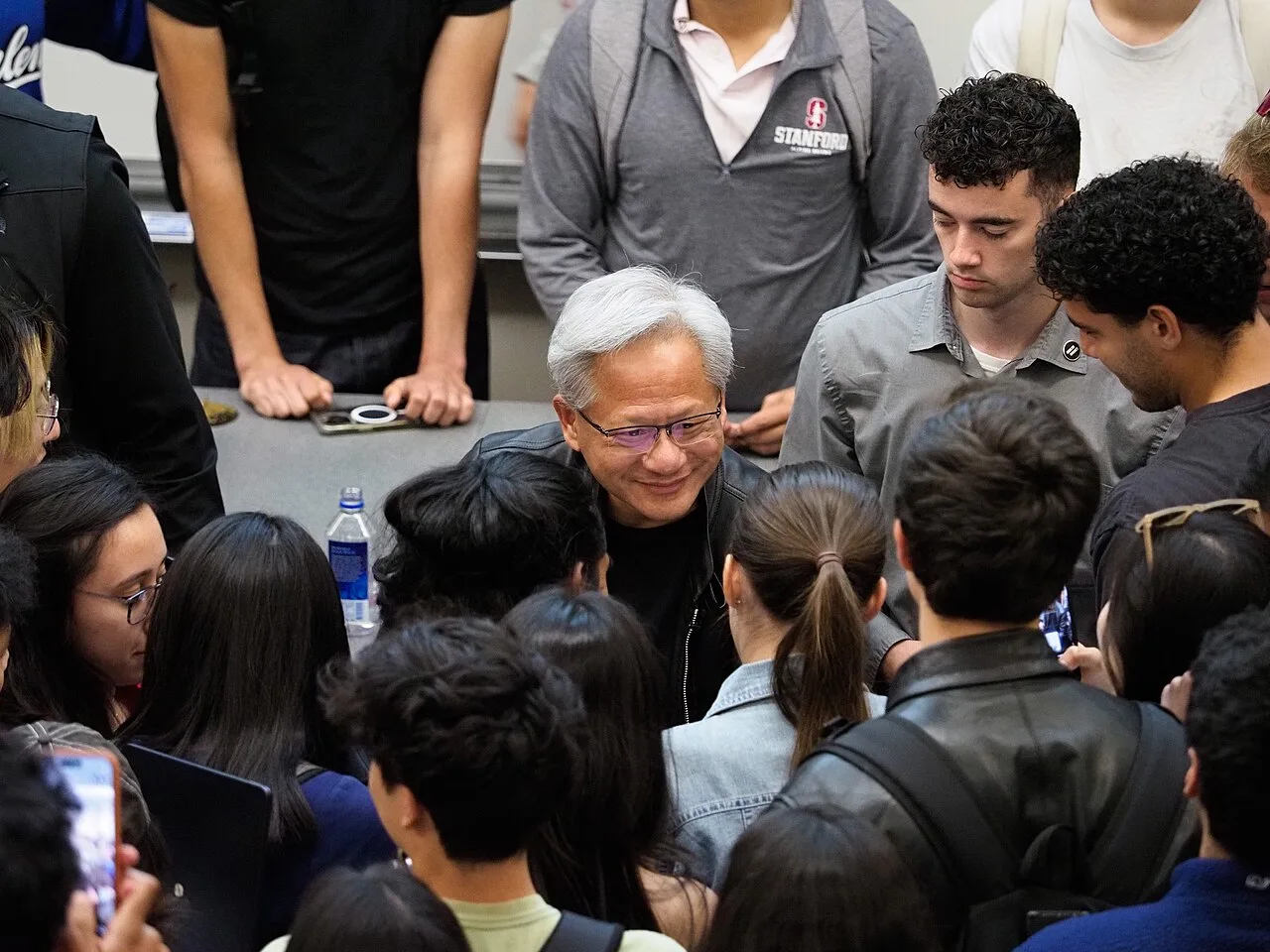
Jensen Huang stepped down as Nvidia's chief executive this week after reports of a close relationship with a woman US officials suspect of spying for China. Security experts say the case shows how exposed tech leaders are to the oldest trap in espionage.
Resignation, probes and a lawsuit
Huang admitted infidelity to his wife of 41 years in a letter to staff at the weekend. That followed a New York Times report on his ties to the suspected spy. Reports of two more affairs, both with Nvidia employees, followed, and on Thursday he quit after 33 years in the top job.
The market reaction was swift. The Nasdaq fell 4% right after Huang resigned, and Nvidia lost hundreds of billions in market value over the week. China's foreign ministry has denied any involvement and called the reports a smear.
Nvidia has hired a top US law firm to investigate. Donald Trump said the FBI would open its own probe. Huang has said he will testify to Congress. A lawsuit in California also accuses him of misleading shareholders. Nvidia did not comment on when it learned of his involvement with the alleged spy.
The alleged operation
Huang was first seen in late 2023 with Alice Huang, a Chinese executive who ran the Singapore-based datacenter firm Megaspeed. They were together at a Taiwan bar in 2024 and at a conference in 2025. By then Megaspeed was already under US commerce department investigation over suspected AI chip shipments to China that broke export rules.
The New York Times reported that, this spring, secretary of state Marco Rubio oversaw a classified memo on the relationship. It was based on electronic surveillance of Alice Huang. The relationship appears to have helped move billions of dollars of advanced chips to China.
Axios reported that Megaspeed was kept off a list of companies that pose national security concerns, despite intelligence about it. Commerce secretary Howard Lutnick is under pressure to resign.
Huang is also close to Donald Trump. He has attended White House dinners with the president and went along on his state visit to China. Trump backed him after the scandal and called him honorable. Whether the affair shaped Huang's views on export controls and open-source AI is unclear.
A long history of spying on Silicon Valley
Experts note the tactic is not new. During the cold war, Soviet agents ran a decades-long effort to steal technology from US firms. A Center for Strategic and International Studies report counted at least 224 incidents of Chinese espionage in the US from 2000 to 2022, and over half targeted commercial technology.
In January a federal jury found a former Google engineer guilty of taking confidential company data to help the Chinese government. In October, US authorities arrested a Saudi national accused of planting a listening device at OpenAI's headquarters. OpenAI has also run training sessions on honeypot scenarios, the Wall Street Journal reported.
Don Aviv of Interfor International says his firm has run about a dozen investigations in three years into schemes built on honeypots, personal ties, coercion or blackmail. "The honeypot style trap is as old as the earth itself," said Randy Watt of the consultancy SRW.
Why executives are hard to protect
Experts say real operations rely less on gadgets than on social engineering. Spies study public posts and data brokers, then approach people at conferences, trade shows or through promised investments.
Leaders pose a special problem. They have more authority than average staff, which makes it harder for others to raise concerns, and some resist the idea that a relationship may not be what it seems. One open question for Nvidia is who inside the company knew about Huang's relationships and whether anyone raised an alarm.
Even so, experts say no safeguard replaces personal judgment. They describe the fall as of Huang's own making.
Source: the Guardian