Japan Moves Toward Lifting 76-Year Ban on Fresh US Potatoes
Under pressure from Donald Trump, Japan is moving to lift its ban on American potatoes. Hokkaido farmers fear pests and a threat to their livelihoods.
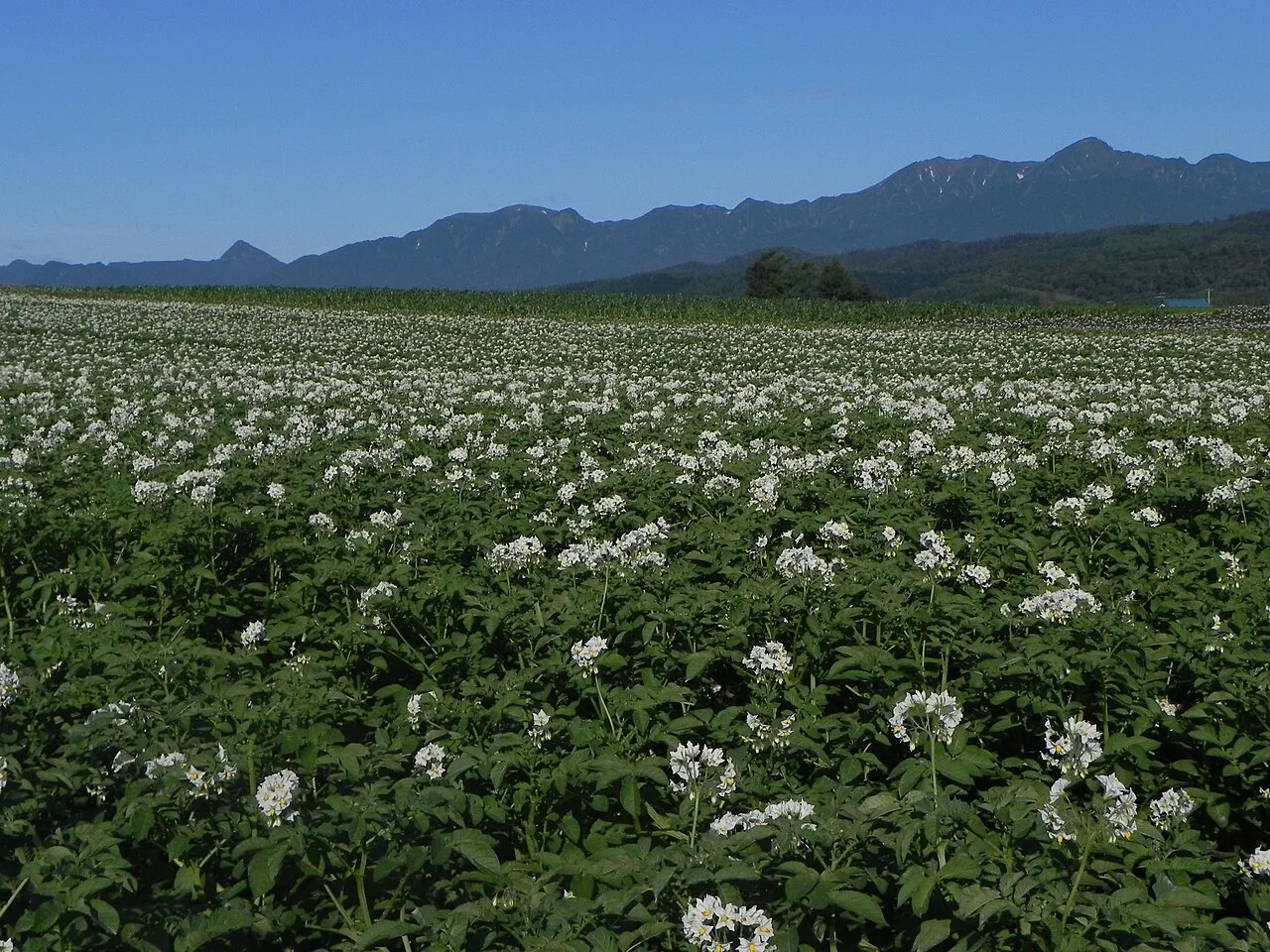
Japan is edging toward ending a ban on American potatoes that has stood since 1950. Washington wants the market opened, and the farmers who grow Japan's own crop say the risk falls on them.
A staple that is closely guarded
Alongside rice, the potato is one of a few homegrown staples in a country that imports more than 60% of its food. Japan now grows more than 90 varieties. The agriculture ministry says consumers ate 3.5m tons of potatoes in 2024. Of that, 1.2m tons were fresh imports that went into crisps.
That import trade is narrow. Tokyo partly lifted the ban in 2006, but only so US potatoes could be turned into crisps. Containers are sealed in transit, and the potatoes are then cooked at high heat, a safeguard against pests and diseases. A full lifting would put fresh American potatoes in restaurants and supermarkets for the first time in decades.
The crop reached Japan with Dutch traders in 1598. By the mid-1800s it had become a nutritious alternative to rice, which does not suit the cooler climate of Hokkaido. The island's best-known variety is the Danshaku, also called Irish Cobbler: starchy, fluffy and good at soaking up the juices of a stew.
Why the pressure is building
Trump raised the ban in his first term. He has now persuaded the Japanese government to begin talks, while facing accusations that his policies have been "disastrous" for rural America. Earlier this year, members of Congress urged him to keep pressing Prime Minister Sanae Takaichi on the issue, arguing that Japan is a massive market for US growers.
Backers argue that Japanese shoppers would pay less and that US growers would earn another $150m a year from exports.
What Hokkaido farmers fear
About 80% of Japan's potatoes are grown in Hokkaido. Toshihide Numasawa, an employee of the Japan Agriculture group there, said the group has repeatedly and unequivocally stated its opposition. Among his reasons is the risk of pests and diseases reaching Hokkaido's growing areas. He added that local growers are already dealing with homegrown pest outbreaks, global heating and rural depopulation.
Japan's government has identified 21 pests and diseases that could invade. The potato cyst nematode and the pale potato cyst nematode cause the most concern. Neither harms people, but both attack roots, slow growth and linger in soil for over 15 years.
Hokkaido grower Naohiro Makino told the Asahi Shimbun: "Once pests get in, you can't grow potatoes for more than a decade."
A cautious minister from potato country
The talks have created an early headache for the new agriculture minister, Arata Takebe, whose constituency sits in prime potato-growing land in Hokkaido. He told Jiji Press that any change should follow thorough scientific and technical discussion, and that a decision could take considerable time. In his words, the ban will not be lifted without an agreement acceptable to both sides.
A statement from the Hokkaido Agricultural Corporations Association argues that guarding the island's farming is also a way of guarding the production base that will feed Japan in the future.
Source: the Guardian