USDA Rule Would Cut an Estimated 6.3 Million From SNAP
A proposed USDA rule would end automatic SNAP eligibility tied to certain TANF-funded services. The agency estimates a 17.6% drop in participants by fiscal 2029.
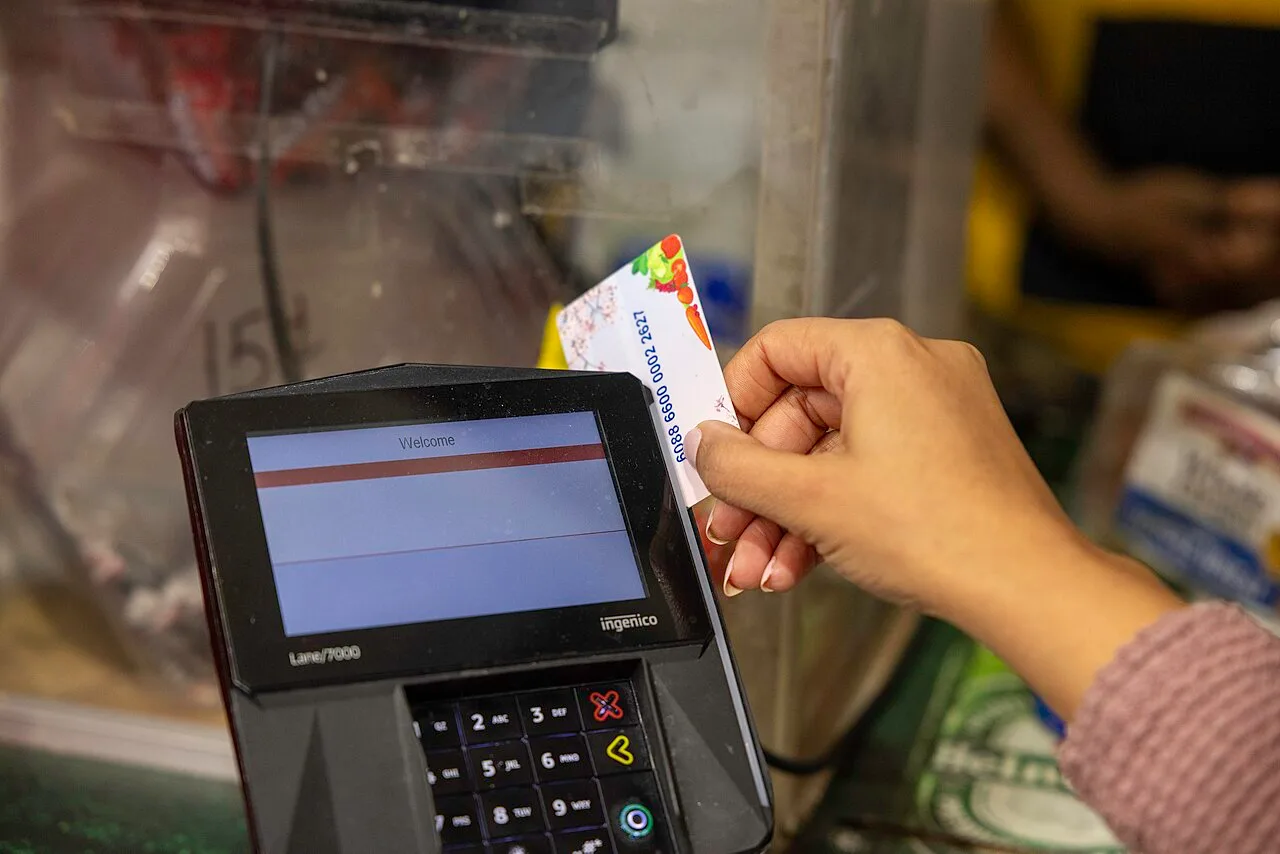
The US Department of Agriculture wants to end a rule that lets states enroll low-income households in SNAP automatically. By the agency's own estimate, about 6.3 million people would lose the food aid.
Unions and anti-hunger groups push back
The United Food and Commercial Workers International Union says the rule would deepen food insecurity. It points out that 5.5 million people have already lost SNAP access over the past year because of cuts from the One Big Beautiful Bill Act. Its president, Milton Jones, said "SNAP acts as an economic driver, supporting the entire food supply chain." Workers in grocery stores, meatpacking plants and food processing feel it when fewer families can buy what they make and sell.
The Food Research and Action Center, a nonprofit that campaigns to end hunger, calls the policy essential to making food aid accessible. In its view, restricting it would raise administrative costs and processing delays, add to payment errors and shift costs onto states.
The Center on Budget and Policy Priorities, a nonpartisan research institute, argues that the policy gives states some room above SNAP's strict federal income cutoffs. Its vice president for food assistance, Ty Jones Cox, said about 45 states use it. In his words it helps working families who spend most of their income on rent or child care, and lets families, seniors and people with disabilities save a little without being cut off.
A fight that has happened before
This is not the first attempt. The Trump administration tried to eliminate the policy in 2019, and the Biden administration withdrew that proposal in 2021. Public comments on the new one are open through Dec. 10.
The agency's case
The policy at issue is broad-based categorical eligibility. The USDA argues it has drifted from its purpose. The agency says the old Aid to Families with Dependent Children program, which TANF later replaced, covered much the same groups as SNAP when Congress set up categorical eligibility. Since the switch, the two programs have drifted apart, and state income criteria for TANF assistance "vary greatly and can sometimes far exceed SNAP limits."
Federal officials say the result is uneven rules from state to state, so some households over SNAP's income limits still get benefits. The agency also says it worries about public trust that benefits go only to those who meet the limits in law. It forecasts that ending the policy would cut federal SNAP spending by about $45 billion from fiscal 2027 to fiscal 2031.
Who would be affected and when
The rule would apply to households that receive a non-cash or in-kind service paid for with Temporary Assistance for Needy Families money or with state maintenance-of-effort funds. Under current practice, getting such a service can make a household eligible for SNAP automatically. The USDA calls this a loophole.
The agency expects the rule to reach its full effect in fiscal year 2029. For that year it estimates SNAP would lose 17.6% of its participants.
Source: Food Dive