Tesla Opens Cybercab Orders to Select Buyers at $29,990
Tesla is inviting select customers to order a steering-wheel-free Cybercab for personal use, but the car needs a monthly autonomy subscription and works only in service areas.
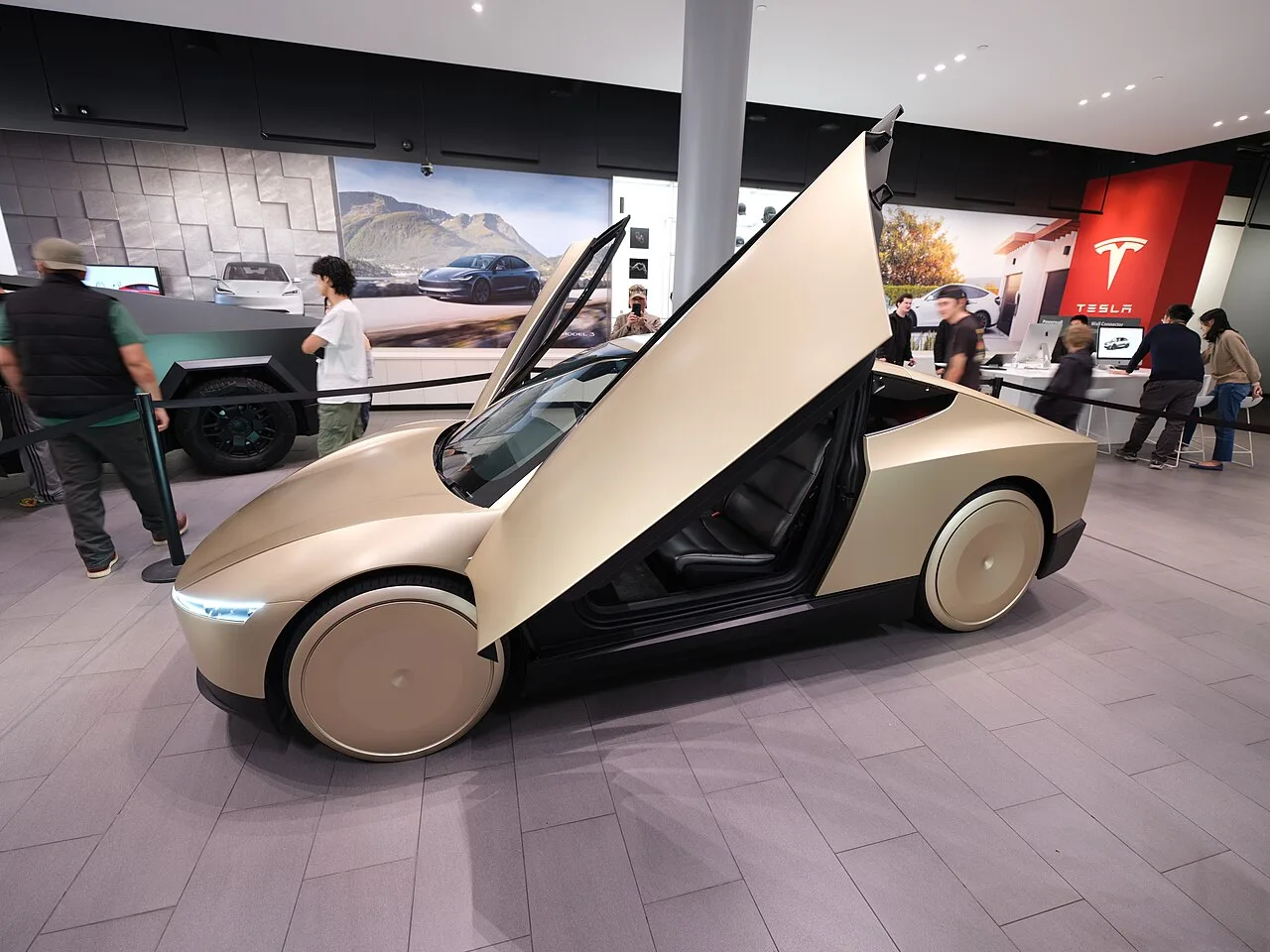
Tesla has started inviting select customers to order a two-seat car with no steering wheel, and it is pricing the car below the Model 3. The catch is a monthly bill that the car cannot run without.
What the order page promises
Tesla announced on Friday that it will soon sell the Cybercab for personal use. The price is $29,990, about $7,000 under the Model 3, which makes it the cheapest car the company has ever sold. A screenshot of the order page that Tesla shared says deliveries can begin as soon as next month.
Invitations go to "select customers" first. In a post on its Robotaxi account on X, Tesla said initial availability is limited. It has not said when, or whether, sales will open to the general public.
Until now, driverless cars have belonged to companies that run ride-hailing services, such as Waymo, Zoox and Tesla, and not to individuals. If sales go ahead, a private buyer could for the first time own a Level 4 driverless car.
The subscription and the map
Owners must also buy a $299-a-month autonomous driving subscription, or the car will not work. The first month is free. After that the fee adds up to roughly $3,600 a year, before any insurance or maintenance.
The car will drive itself only inside "supported service areas," not across the whole country. Tesla markets the owner version as "fully autonomous" and says the Tesla app will let buyers check on the car and handle rides. The Cybercabs on the road today belong to Tesla's Robotaxi service. That service launched last year. Austin and Miami are among the handful of U.S. cities where it now takes passengers.
Questions Tesla has not answered
The announcement did not say whether owners can enrol their cars in the Robotaxi fleet and collect income from it, which Musk has long promised. Nor is it clear where the car will be allowed to run, or if that territory will grow fast enough for a purchase to pay off beyond a few cities.
Regulation adds more doubt. The National Highway Traffic Safety Administration has questioned how Tesla determined that the car meets motor vehicle safety standards. A street-legal car normally has a steering wheel, pedals and side-view mirrors, and the Cybercab has none of them.
Companies can apply to deploy vehicles that do not comply, but those deployments are capped at 2,500 a year. Zoox was recently granted an exemption to put 5,000 of its driverless pods into commercial service across two years. NHTSA says it is working to streamline autonomous-vehicle rules, which could help Tesla.
A decade of missed dates
Putting driverless cars in the hands of ordinary people has been one of Musk's central promises for about a decade. He has missed his own deadlines year after year. Tesla once promised 1 million robotaxis by 2020, and it has promised unsupervised self-driving nearly every year since. It has generally fallen short.
The news may also irritate Tesla owners who paid for Full Self-Driving and are still waiting for their own Model 3 and Model Y cars to drive themselves. Musk's latest timeline puts that in the second quarter of next year, and only where the Robotaxi service runs.
Other companies are chasing the same goal. Rivian plans to add lidar and an in-house chip to the R2. General Motors plans an eyes-off version of Super Cruise for the Cadillac Escalade IQ in 2028, starting on highways.
Source: InsideEVs