Ex-Met Detective Gave Conflicting Accounts of Wife's Barbados Death
A BBC Panorama inquiry says Warren Arter, a former Met detective, told hotel staff and family different stories about how his wife died. Her death in Barbados was never properly investigated.
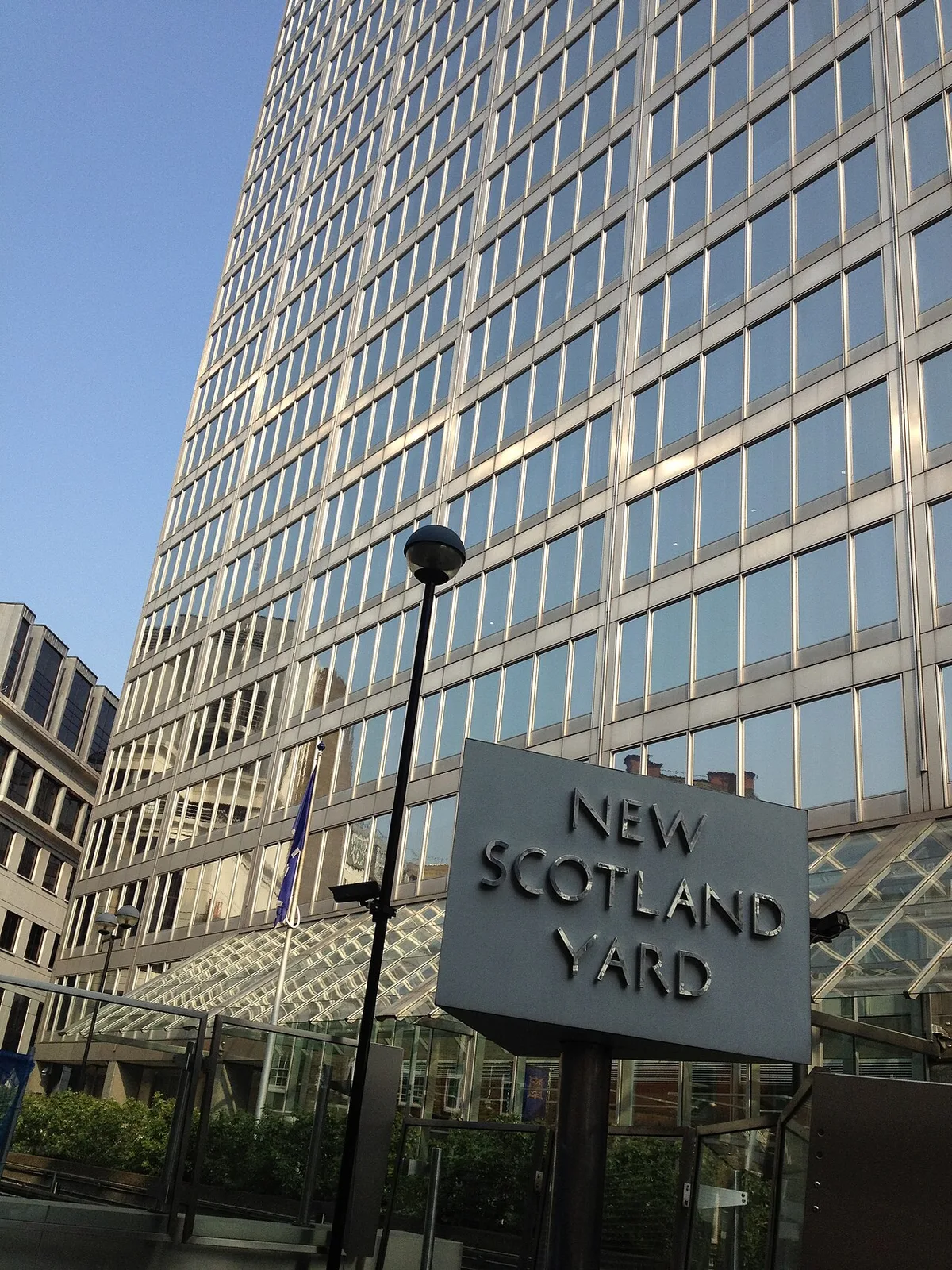
The death of Rebekah Arter in a Barbados hotel room two years ago has never been properly investigated. A BBC Panorama inquiry now says her husband, a former Metropolitan Police detective, lied about what happened.
A detective and the woman he met as a victim
Warren Arter first met Rebekah when she reported domestic abuse to the Met. He handled her case in 2006. Soon the two were a couple, and he had moved in. According to the BBC, he went on to abuse her for more than a decade.
By 2009 he was running a south-east London unit that handled rape investigations. He was later suspended. The Independent Office for Police Conduct looked into his behaviour toward eight alleged victims, but he was never convicted.
He stayed on his full detective inspector salary for the seven years of his suspension. The Met dismissed him in 2023 for drug offences.
What hotel staff say they saw
Rebekah died in June 2024, aged 47, at the O2 Beach Club in Barbados. Arter had rung reception to say his wife had collapsed. Two staff members who entered the room say it was clear at once that she was dead.
Security guard Andrew says Arter's explanation kept changing. Arter first told Andrew that Rebekah fell next to a chest of drawers. Her body, though, was a distance from there, by the kitchen. Andrew says that when police came, Arter claimed this was how he had found her.
Messages and conversations with her family point the same way. Arter said she had choked, or that her drink had been spiked. Her daughter-in-law, Lacey, says he told her they had both slept for 18 hours and he woke to find Rebekah dead.
"He was outright lying. He was forgetting what he was telling people," Lacey said.
Barbadian police briefly detained Arter and released him a short time later. The BBC says Barbados police did not respond to its request for comment.
Evidence and the Met's decision
Panorama reports that Barbados authorities failed to secure evidence and to interview hotel staff about Arter's behaviour, and that vital forensic tests were not taken. Andrew says he gave police a statement but was never formally interviewed.
A later UK inquest found that a pathologist in Barbados had cut Rebekah's organs into small pieces. A UK pathologist who later examined her body in Britain said the cutting had no medical purpose and wiped out key evidence. Toxicology and histology tests had also not been done.
Coroner Andrew Harris said the gaps raised the prospect of "deliberate concealment or obstruction of further investigation". He did not accept the Barbadian finding of aspiration pneumonitis, a lung inflammation, as the cause of death. He recorded an open verdict. In his view the death likely involved intoxication, and he would not rule out unlawful killing.
Four days after the death, a senior officer from the Met's Gold Command was briefed, given the allegations against Arter. Detectives still did not travel to the Caribbean. The Met told the BBC it made that call because no allegation of criminality had been made.
Rebekah's family are speaking publicly for the first time. They say the Met failed her.
Arter, 54, took his own life in HMP Wandsworth. That was days after he returned from Barbados and was arrested over alleged abuse of another woman.
Source: BBC News