Paraguay's President Resigns Amid Ueno Bank Collapse
President Santiago Peña quit on Thursday as an impeachment vote loomed. The central bank had frozen the deposits of 3 million Ueno Bank customers, and he had ties to the bank.
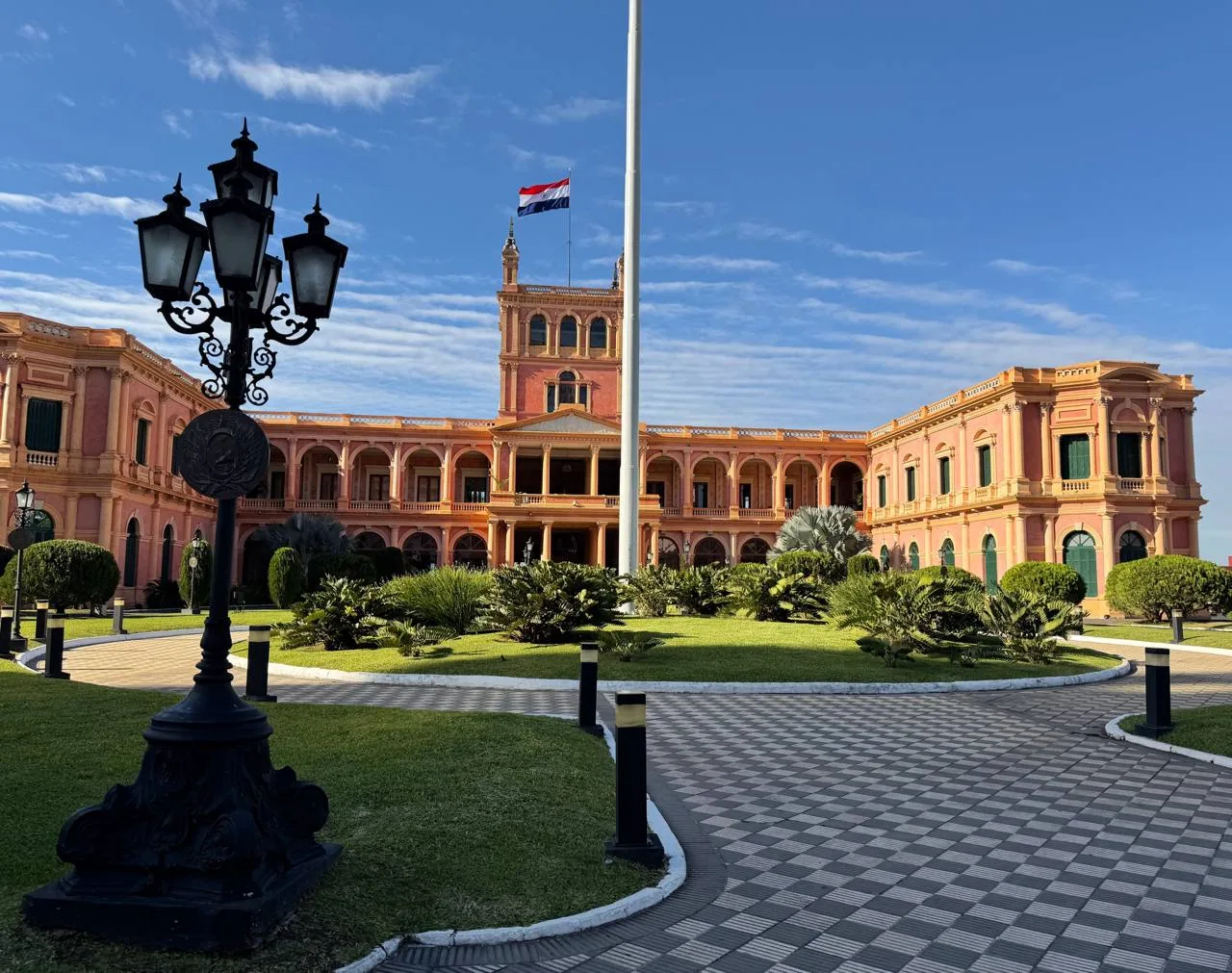
Paraguay's president, Santiago Peña, resigned on Thursday. A banking crisis had cut millions of people off from their savings, and impeachment proceedings already had broad support.
The shareholding that drew criticism
The question at the centre is Peña's link to Ueno Bank. Ueno came to manage between $800 million and $850 million in deposits from state and pension entities, including retirement funds. Critics saw a conflict of interest, because Peña had earlier held shares tied to Ueno Holding.
Peña had been a shareholder in the group that ran the bank until early last year. In recent months he had reportedly ignored warnings about the bank's operations from the central bank and the media.
His own account is different. He said that as an economist he had merely made an "investment" and had sold all of his shares. When the local press pointed to possible favouritism in sending state and pension money to the bank, he called the reports a false media campaign meant to weaken his government. He has kept saying he did nothing wrong.
A day of pressure in Congress and the street
On Wednesday opposition lawmakers filed an impeachment motion. Members of Peña's own Colorado party joined them. The motion held him responsible for the collapse.
On Thursday morning former president Horacio Cartes, once Peña's ally, posted a message backing the impeachment. Thousands of people gathered outside Congress. Lawmakers voted unanimously to open proceedings, alleging misconduct and a conflict of interest in dealings with the bank.
Debate was under way when Peña released a video announcing that he would resign. He said he was thinking of the stability of the country and of social peace. He apologised to the public if he had failed it at any point. His main concern, he said, was people who had trusted their savings to the financial system, and he wanted their money returned.
Opposition senator Rafael Filizzola told 1020 AM radio the case was "the biggest fraud carried out from political power in the democratic era."
From obscure digital bank to national lender
Under Peña the bank went from obscure to one of the largest lenders in the country. It claimed about 60% of Paraguay's adults as customers. On Monday the central bank ordered it into resolution over insolvency. That froze the deposits of 3 million customers and left hundreds of thousands of families without money for food and daily needs. Executives were arrested and large protests followed.
Ueno began in the 1970s as a finance company. In 2021 Grupo Vázquez, one of Paraguay's largest business conglomerates, bought it. At the end of 2023 the central bank, by then under Peña's government, authorised it to run as a digital bank.
It grew quickly. Generous cash-back offers on groceries drew customers, and it sponsored the national football team. On Wednesday the players released a letter demanding a forceful response from the government and the justice system.
Who takes over is unclear
Peña, 47, took office in August 2023 for a term running to 2028. He is a former finance minister who promised to rebuild a "great Paraguay". It is still unclear who will replace him, or when.
In theory Congress must accept the resignation. The vice-president, Pedro Alliana, would then take over. Alliana, too, is suspected of a role in the Ueno Bank affair and denies it.
About an hour after Peña's announcement the lower house voted unanimously for the impeachment motion. It now goes to the senate. If it passes, he would lose his senate seat even after resigning, and with it his parliamentary immunity. Any criminal case against him would go to the ordinary courts.
Peña was a key regional ally of Donald Trump and one of the few Latin American presidents at Trump's second inauguration. US officials, including Marco Rubio, repeatedly called him a "strategic partner." Neither Rubio nor Trump has commented on the resignation.
Source: the Guardian