Right to Buy Would End for New Social Homes
The government plans to remove Right to Buy from new social homes. Supporters say the policy let families build wealth, but critics say it left councils short of housing.
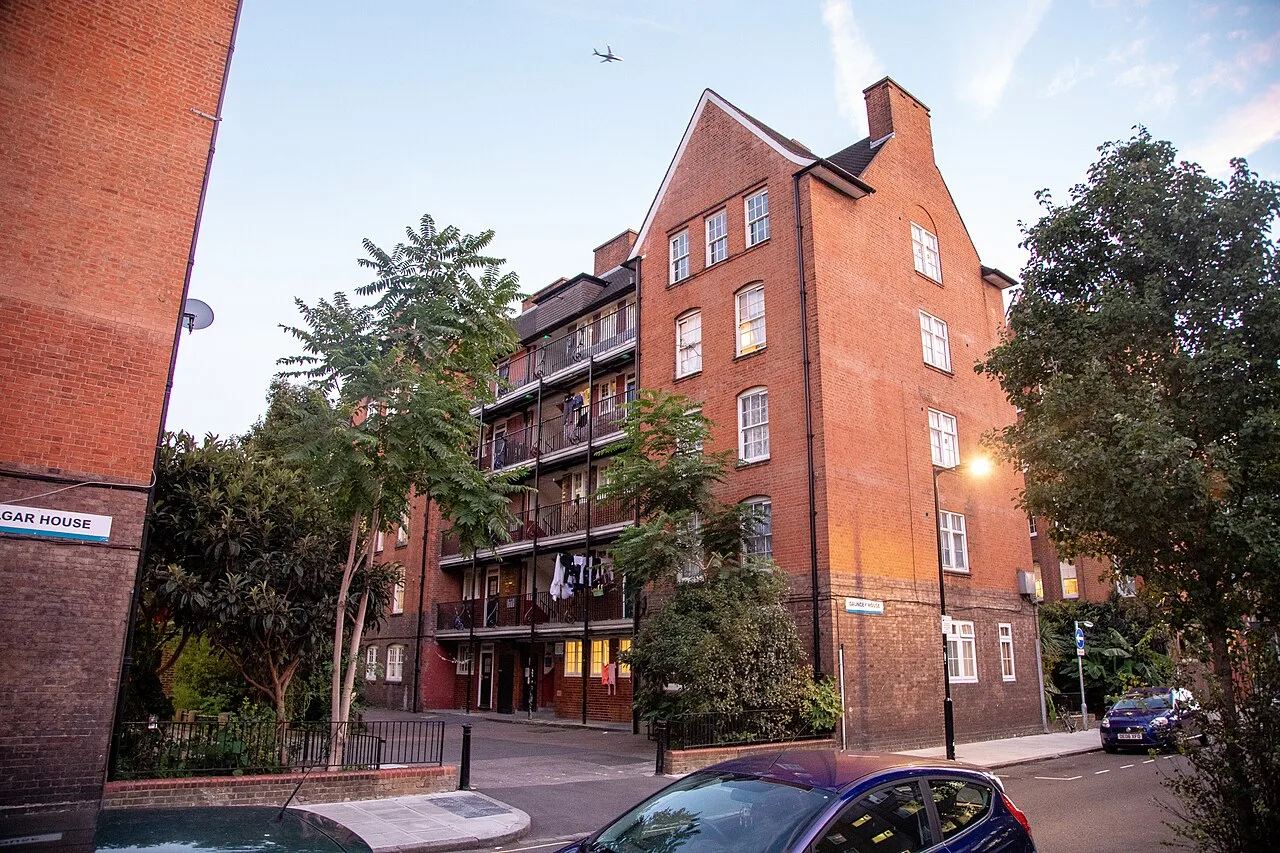
Right to Buy, the 1980 scheme that let council tenants in England buy their homes at a discount, is about to lose another piece of its reach. A bill now in Parliament would remove the right from any new-build social home.
What the government plans
The prime minister told Labour's conference in September that the government would reform the scheme. In his words: "Not taking the right away from anyone in an existing home, but removing it from new homes." Labour had already restricted the scheme, including by heavily reducing the maximum discount councils could offer.
The government says that before those restrictions, England faced a projected net loss of 26,000 council homes over the next decade. It now calculates a net gain of 18,000. The Conservatives and Reform UK say they would keep the scheme or even extend it.
Two million homes sold
More than two million homes have been sold since 1980. About 40% of England's council housing stock was sold this way. Most of those sales came in the early years, says Prof Rebecca Tunstall of the University of York. The idea was central to Margaret Thatcher's vision of a "property-owning democracy".
Barbara Stevens, now 80, bought her two-bedroom flat in Kentish Town for around £35,000. She estimates it could be worth between £600,000 and £700,000. Lord Heseltine, the minister who launched the scheme, calls it "wildly successful in spreading ownership across the country". He says he would not design it differently.
The case against
Critics say the scheme made social housing scarcer, pushing more people into private renting and raising rents. Lord Heseltine says councils were meant to use sale money for new homes, and admits this did not happen after he left government.
The New Economics Foundation found that 41% of homes sold under the scheme are now privately rented. It says the state spent more than £58bn between 2021 and 2025 on housing benefit that subsidised private landlords. Newham Council says almost half of the 9,000 council homes sold there were later "flipped" into private rentals.
Lasting effects for families
Matteo Sandi, an economics professor at the University of Milan, co-authored research on children raised where uptake was highest. He found better results, including higher GCSE attainment, more university places and higher earnings in adulthood. He calls the scheme "a good policy with a big limitation" and says more social housing should have been built.
Prof Tunstall says security and affordability matter most for families, and social renting can offer both. Scotland abolished its scheme in 2016 and Wales in 2019, but she says the change has not made a huge difference yet. Today the average wait for a family-sized home in London is 27 years.
Source: BBC News