Spain's PM Says Trust in High-Speed Rail Is Broken
After a second deadly collision in a year, Pedro Sánchez promised an investigation and fixes, while the transport minister rejected calls to resign.
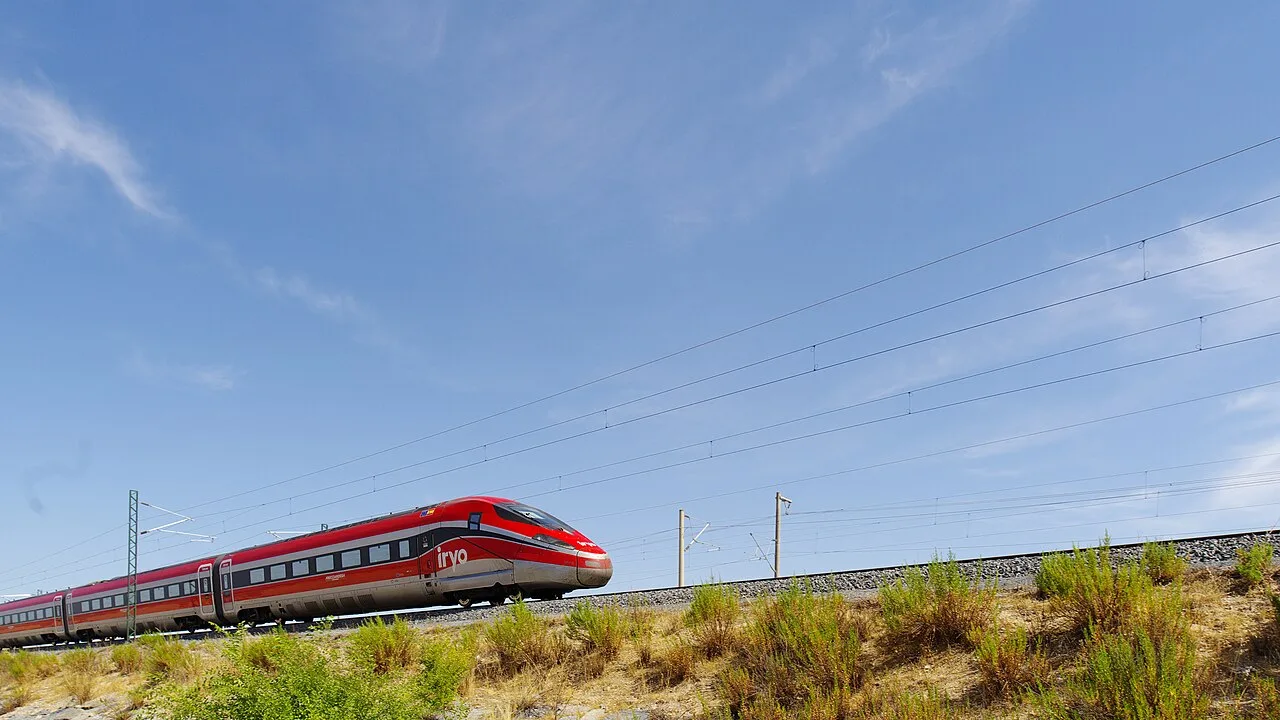
Spanish Prime Minister Pedro Sánchez said on Friday that trust in the country's high-speed rail had been broken. The remark followed Wednesday's train collision, which killed at least 69 people and injured more than 100.
Victims came from at least 23 foreign countries. Sánchez said the government was working to give families information as fast as possible and was committed to finding the cause.
What happened near Urda
Two trains were heading from Madrid towards Andalucía shortly before 9am. One belonged to the state-owned operator Renfe, the other to the private company Iryo. The Iryo train had stopped when the Renfe train hit it from behind. Several carriages left the track near Urda, in Castilla-La Mancha.
It is the second deadly collision of the year. Nine months earlier, 46 people died near Adamuz, in Andalucía, when a Renfe train and an Iryo train collided on the same line.
"It's unacceptable for a country like Spain, which has such a powerful high-speed rail system, to experience two accidents of this nature and magnitude within a single year," Sánchez said. He added that the task was not only to establish the causes but also to offer solutions that strengthen the network.
Signalling and a control-room order
Transport Minister Óscar Puente pointed again to the Madrid control centre of the state infrastructure operator Adif. He said the LZB signalling system, which automatically stops a train if the track ahead is occupied, had gone down before the crash. Such failures, he stressed, are not uncommon. Once the system is off, decisions pass to people.
According to Puente, an Adif operator then told the Renfe train to move off at normal speed. The protocol sets a top speed of 40kph in that situation, so drivers can spot hazards in time. A preliminary report released on Thursday put the Renfe train's speed at between 160kph and 200kph at impact. It said the sequence of malfunctions, instructions and actions led to the collision "in the absence of the necessary mitigating barriers".
The operator is a 48-year-old man with up-to-date training and two years of experience in control centres. He had managed that sector since February, the minister said.
Unions have pushed back. Raquel Ayllón, a spokesperson for the railway traffic controllers' union SCF, told the Associated Press that the minister was blaming one worker who was operating in worsening conditions. "Human error isn't incomprehensible," she said. "What is incomprehensible is that the safety system is regularly failing." Unions argue that workloads are too heavy and that more staff are needed.
Pressure on the minister
Puente is under growing pressure to quit, and he turned the calls down at a press conference. "My duty now isn't to talk about whether or not I carry on with my job; it's to solve the problems, clarify what happened and offer clear explanations," he said. If the investigation finds failures of organisation or control, he added, the government will act, and individuals found responsible will face action.
The conservative People's party, forecast to topple Sánchez's socialist-led minority coalition in next month's snap election, holds both men politically responsible. Its leader, Alberto Núñez Feijóo, said that if they do not resign, "we will remove them at the ballot box".
Ada Colau, the former Barcelona mayor who now leads the left-wing Frente Amplio coalition running in the election, also said Puente needed to go. She called it a matter of doing so "as soon as possible". Asked how the crash might affect the vote, Puente said he had given it "zero thought".
Source: The Guardian