Neocloud Firms Face Doubts as AI Bubble Fears Grow
Data centre companies that rent computing power to AI developers have lost value in a month. Investors question their debt and their dependence on Big Tech spending.
A little-known group of data centre companies has become a test case for the debate over whether the AI boom is overheated. Shares of several of them have slid, and analysts are questioning how sound their finances are.
What neoclouds do
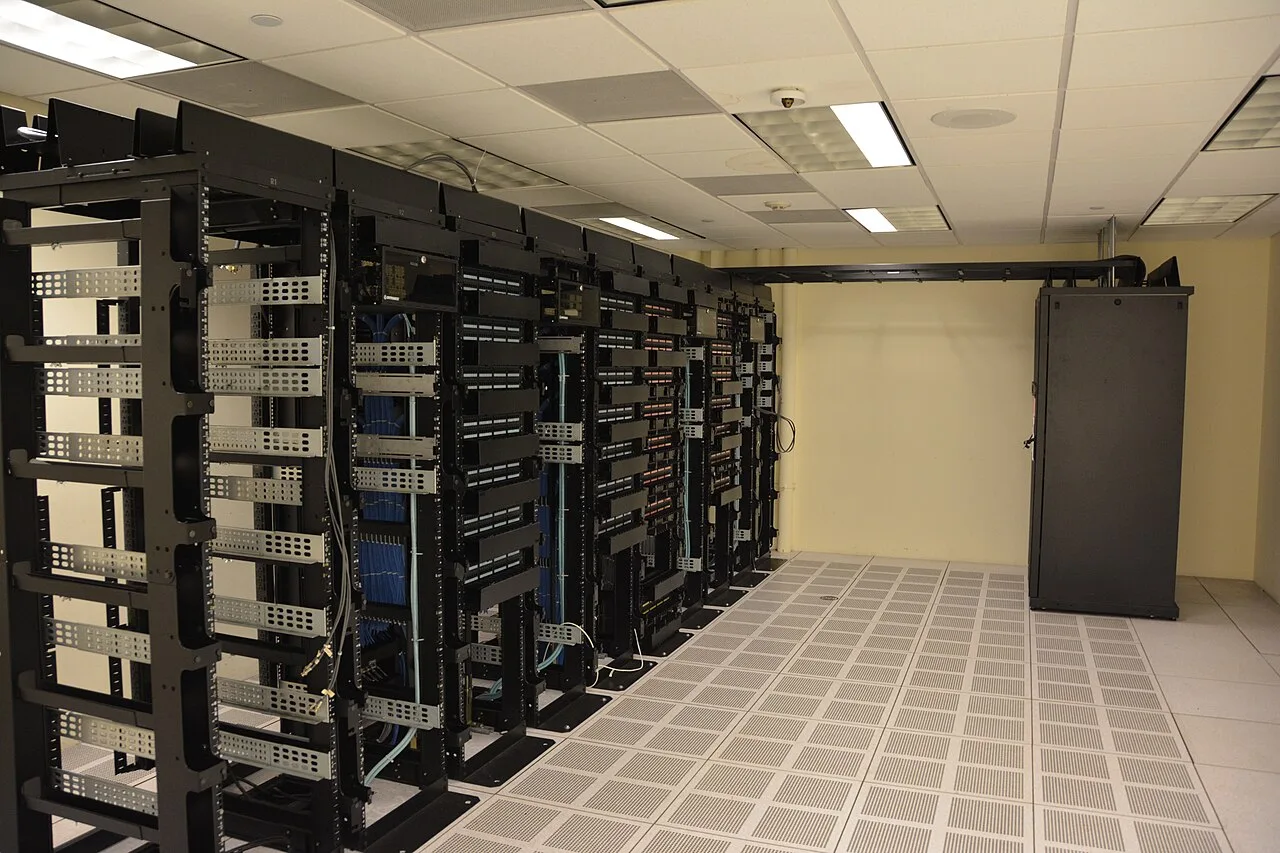
Neocloud firms house vast numbers of high-priced servers and rent out that computing power to AI developers such as Anthropic, OpenAI and Meta. CoreWeave and Nebius are the best-known names, at least among people in San Francisco and Silicon Valley.
Several of them began in crypto mining, which uses similar hardware. CoreWeave was founded in 2017 to mine Ethereum. IREN, Core Scientific and Applied Digital also started there. That infrastructure left them well placed when AI took off after ChatGPT arrived in 2022. Nebius is the outlier. It used to be Yandex NV, the Russian search giant often compared to Google, and became a separate company under a new name in 2024.
Borrowing against customer contracts
The hardware has to be paid for up front, so debt is common. Analyst Cory Johnson of the IPO research outfit "The Quiet Period" says firms sign long-term leases with big tech customers. They then borrow against those contracts and the AI chips they buy.
Johnson thinks lenders sometimes weigh the creditworthiness of customers such as Microsoft or Meta more than that of the neocloud itself. He says that helps explain how CoreWeave built up $35.1bn (£26.3bn) in debt.
Share prices and forecasts
CoreWeave shares are down by a quarter in the last month. Nebius, IREN and Applied Digital have shed about as much or more. Debt investors are also demanding higher returns from several firms.
Microsoft and Google guided to lower AI spending than Wall Street had expected this week, and several neocloud shares tumbled. Gartner predicts that by 2030, 80% of neocloud firms will cease independent operations. Forrester expects at least three to be acquired soon as their finances get shaky.
CoreWeave chief executive Mike Intrator has said the market is acting "irrationally" and has voiced confidence in the business model. Treasury Secretary Scott Bessent told CNBC on Thursday that neoclouds are a small part of the wider ecosystem.
Exposed to their customers
Forrester analyst Charlie Dai says the model carries greater financial risk if big customers change their spending plans. Much also rides on Anthropic and OpenAI, which are both expected to sell shares to the public in the coming months.
Elon Musk suggested in a social media post that more than 200 neoclouds could "see guppy-level death and consolidation". Analysts at Yorkville Ives say demand for computing power still exceeds supply and that neoclouds fill a gap larger operators cannot.
Microsoft has scrapped an agreement with Nscale, a British neocloud, citing power shortages that may persist to 2030. Australia's Firmus shelved plans to list its shares.
Our View
The sector's health depends on two things it does not control: how much its big customers spend, and how cheaply it can keep borrowing. The next spending forecasts from Microsoft and Google, and the planned share sales by Anthropic and OpenAI, would show whether lenders still trust the contract-backed model.
Johnson's worry about the debt and the Yorkville Ives view that demand still outstrips supply can both hold at once. Which one prevails is not clear from the current figures.
Source: BBC News