AI Agent Guides Brain Injection in a Live Mouse
A San Francisco startup let an AI agent control a robotic rig for a gene therapy injection. A glitch and a model's refusal slowed the procedure.
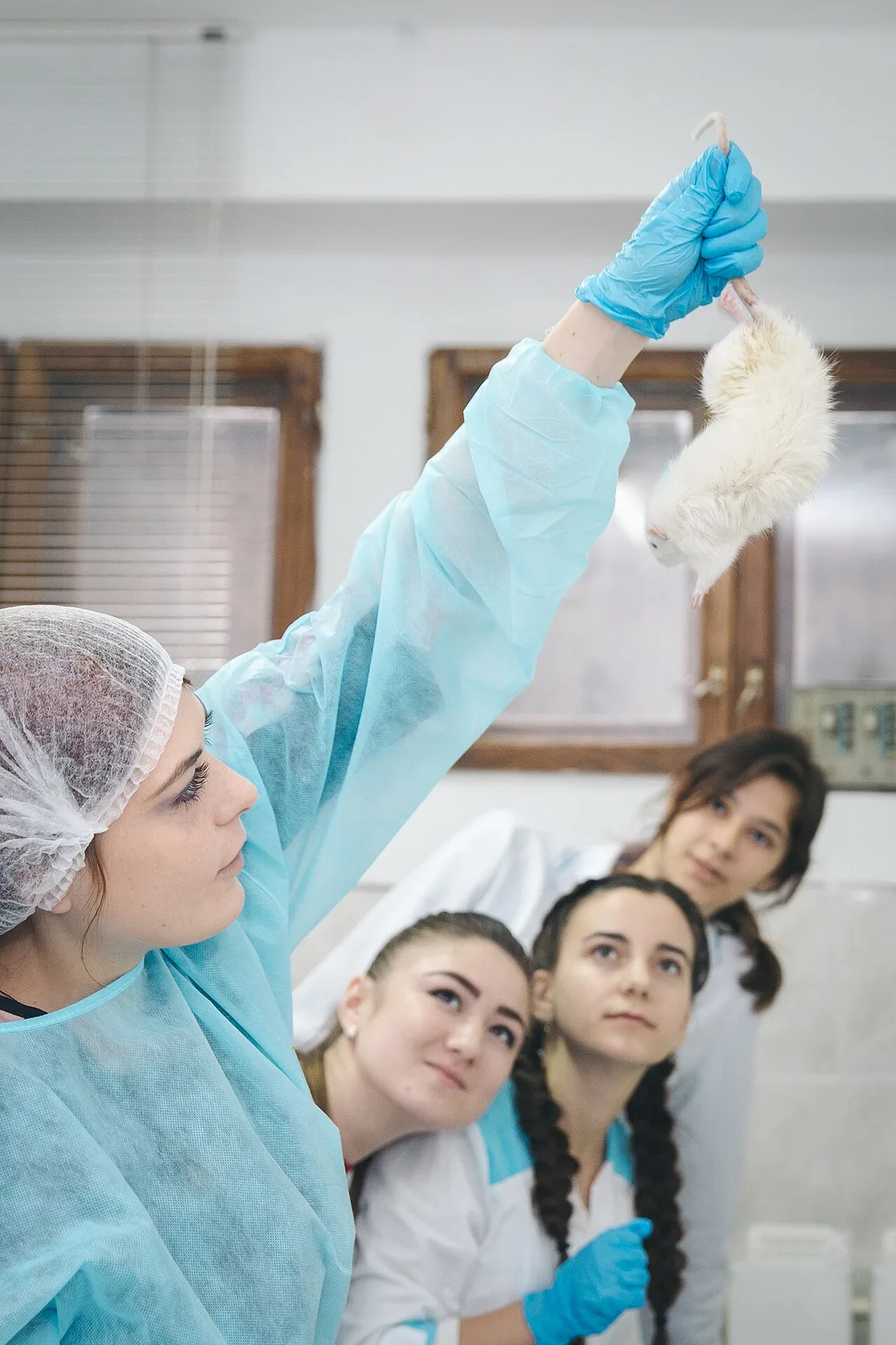
A San Francisco biotech startup has used an AI agent to carry out a brain injection on a living mouse. Exin Therapeutics co-founder and CEO Gabriel Ocana Santero posted about the experiment on social media and described it to WIRED.
Santero wanted to see what happens when agents get direct access to lab equipment, not just tasks such as designing experiments. "We've realized that we need to connect these agents to a lab to get the maximum value from them," he says. Exin uses AI to analyze brain activity and develop drugs for epilepsy and neurodegenerative diseases.
The rig
The custom setup had a motorized device to immobilize the mouse and a camera. The agent used it to watch the procedure, move the needle and control delivery of the compound. The team was testing a gene therapy for seizures in a mouse with epilepsy.
The agent had 19 treatments to choose from in a spreadsheet. A veterinary surgeon first performed the craniotomy. The agent then picked the therapy, the brain region and the injection coordinates. It also set parameters such as volume and speed.
Refusal and a glitch
The team first tried Anthropic's Claude Opus 5.5. It planned the experiment but would not guide the needle, suggesting it might stop midway and endanger the animal. "Something on my output is telling me I shouldn't do this," the agent said, Santero recalls. The team switched to Claude Sonnet 5, which went ahead.
Safeguards were in place. The agent had to propose an injection plan for human approval. A human could press an emergency button to cut power to the motors. The agent had no access to the equipment code, so it could not change its own operating rules.
Then a technical glitch disrupted the coordinate system. The agent saw that the calculated injection position was wrong. It refused to edit the code, because its instructions prohibited that.
The team had a separate agent on Opus 5 make the code changes. They did not tell it that a live surgery was under way. The detour pushed the procedure past an hour, against about 45 minutes for a typical injection.
The team is waiting for the therapy to take effect before assessing its impact on seizures. Next they plan to test Grok and other models. They are also experimenting with agent-controlled craniotomies but want to be sure of safety first. "A mistake at that stage could seriously harm the mouse," Santero says.
He thinks agents will increasingly work alongside human scientists, and says human oversight is key when animals are involved. It is far too soon, he says, to use an agent on a human brain. The mouse is recovering well, he reports.
Anthropic did not respond to a request for comment.
Source: WIRED