Screwworm Infestation Reaches Arizona, a Third US State
A dog in Cochise County is the first Arizona case of New World screwworm. The US has now confirmed 74 animal cases since June.
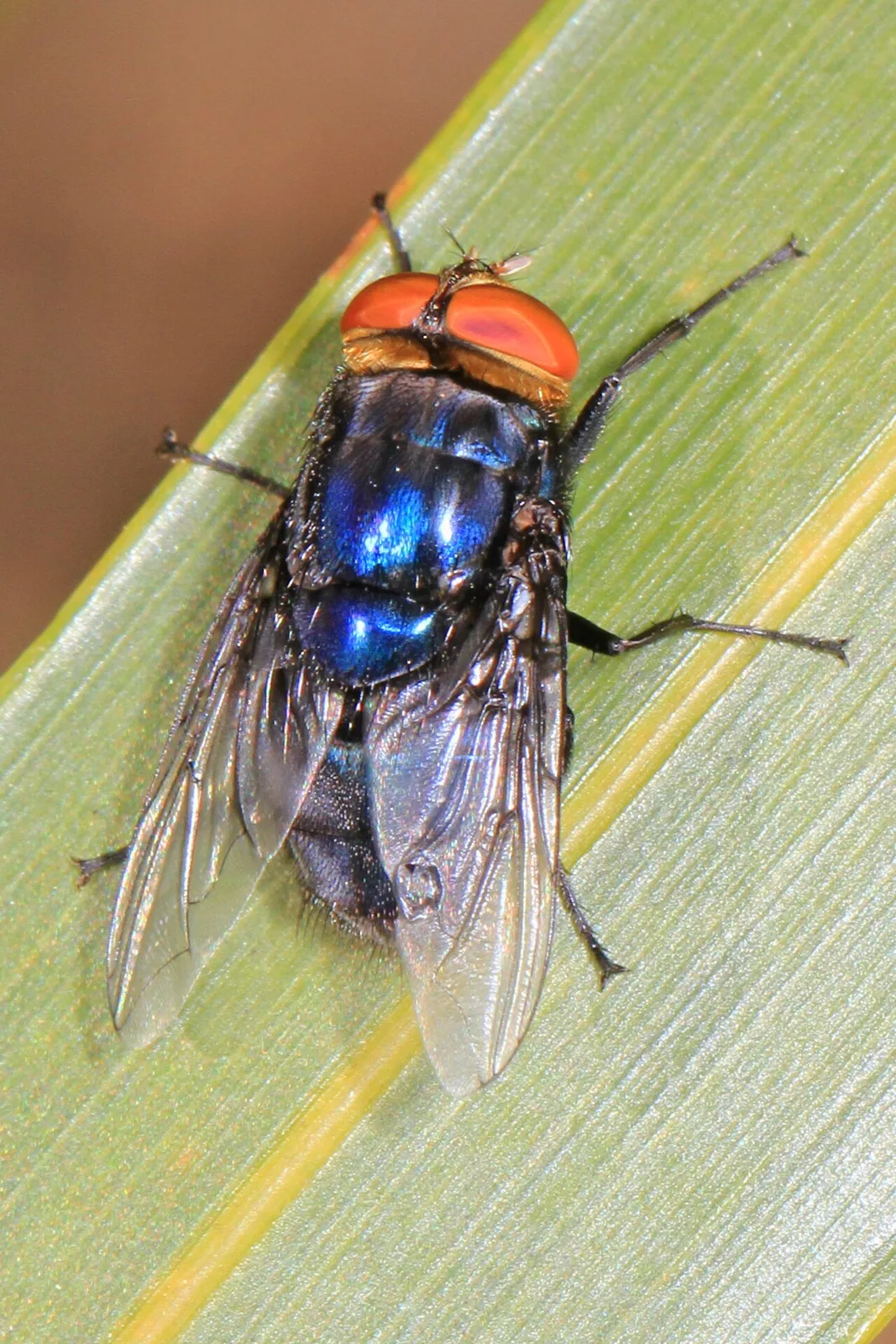
The New World screwworm has spread to a third US state. Arizona now joins New Mexico and Texas, and 74 animal cases have been identified in the country since the flies re-invaded in June.
Arizona's agriculture department said the state's first case was a dog in Cochise County, which borders both New Mexico and Mexico. A local veterinarian examined the animal on October 26 and found a wound on its back "heavily infested with maggots consistent with NWS characteristics". The US Department of Agriculture confirmed the infestation and said it is working with Arizona on a joint response.
"We remain prepared and vigilant," the state said, urging livestock and pet owners to monitor animals closely and report any unusual wounds at once.
Pets now affected
Most of the 74 confirmed cases are in livestock. This week the USDA recorded four new cases in domestic dogs, including the Arizona one, and one in a domestic cat in New Mexico. That brings the pet total to 10 since the flies returned. One case was also found in a wild elk, reported last week.
The flies lay hundreds of eggs in wounds and moist orifices. The maggots resemble screws and bore into living flesh, causing severe and sometimes fatal wounds before they drop to the ground to develop into adults.
The flies were eliminated from the US in the 1960s through aerial releases of sterile male flies, which stop successful breeding. A biological barrier along the Darien Gap, on the border of Panama and Colombia, then held them back for years. It was breached in 2022, and the flies have made their way back through Central America.
The parasite is seen mainly as a threat to livestock, but it can also devastate wildlife and pets and, more rarely, humans. Mexico's Ministry of Health has confirmed 806 human infestations since the flies reappeared. Nine people have died.
Source: Ars Technica