US Halloween Candy Prices Up 15.3% on Last Year
An analysis found popular Halloween chocolates and sweets cost 15.3% more than in 2025. NielsenIQ data show seasonal treat sales were still down in mid-October.
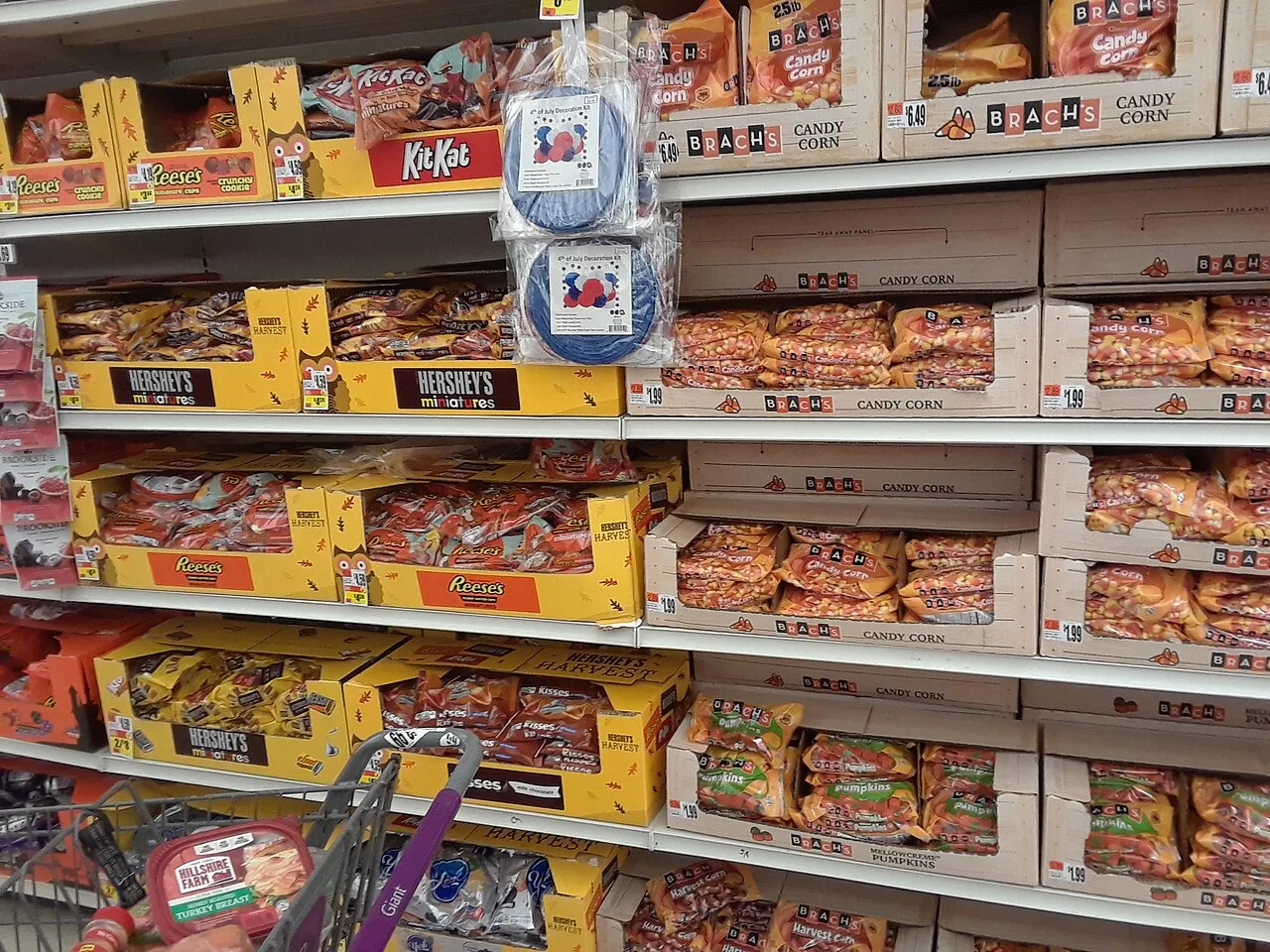
Halloween shoppers in the US looking for sweet relief are finding high prices instead, as cost-of-living pressures continue.
An analysis by the Groundwork Collaborative and the Century Foundation found that popular Halloween chocolates and confectionery cost 15.3% more this year than in 2025. Separate research from the personal finance firm Finance Buzz found that prices for Halloween treats have risen 71% over the past five years. That is a much bigger increase than the general pace of price rises over the same period.
Financial adviser Demetrio Beltres, 33, was browsing candy at a Target in Manhattan. He said he was spending $20 to $30 for trick-or-treaters, more than his usual $15 to $20, because prices were much higher.
Cocoa and costs
Higher cocoa prices have pushed up the cost of confectionery generally. A tonne of cocoa hit a high of more than $10,700 in January 2025, according to International Monetary Fund figures via the Federal Reserve Bank of St Louis. Severe weather linked to climate change affected supplies.
"The cocoa that is now being consumed was bought when the prices were high," said Stephen Zagor, an adjunct associate professor at Columbia Business School.
Other costs are also up. Inflation is running at 3.7%. Diesel, at $6.32 a gallon, is only 20 cents below the record set in September.
Sales still lag
NielsenIQ found that the combined pressures have affected how much people buy before the holiday. Halloween treat sales were down 11.7% by mid-September and down 6.7% by mid-October.
"Sales have improved considerably from where we started in September, with smaller packs gaining ground while larger sizes continue to struggle," said Chris Costagli, NielsenIQ's vice-president of US food thought leadership. He said shoppers appeared more willing to spend as Halloween neared but stayed cautious.
Zagor said the holiday had "gotten scary, more from an economic perspective, than it might be for scaring people at the door". People have only so much to spend, he said, and may feel less inclined to make this the most extravagant Halloween.
Source: BBC News