Noaa Cuts Leave US Exposed as Strong El Niño Builds
The agency has lost roughly 20% of its staff since January 2025. Former officials warn that a winter of extreme weather will test forecasting and response.
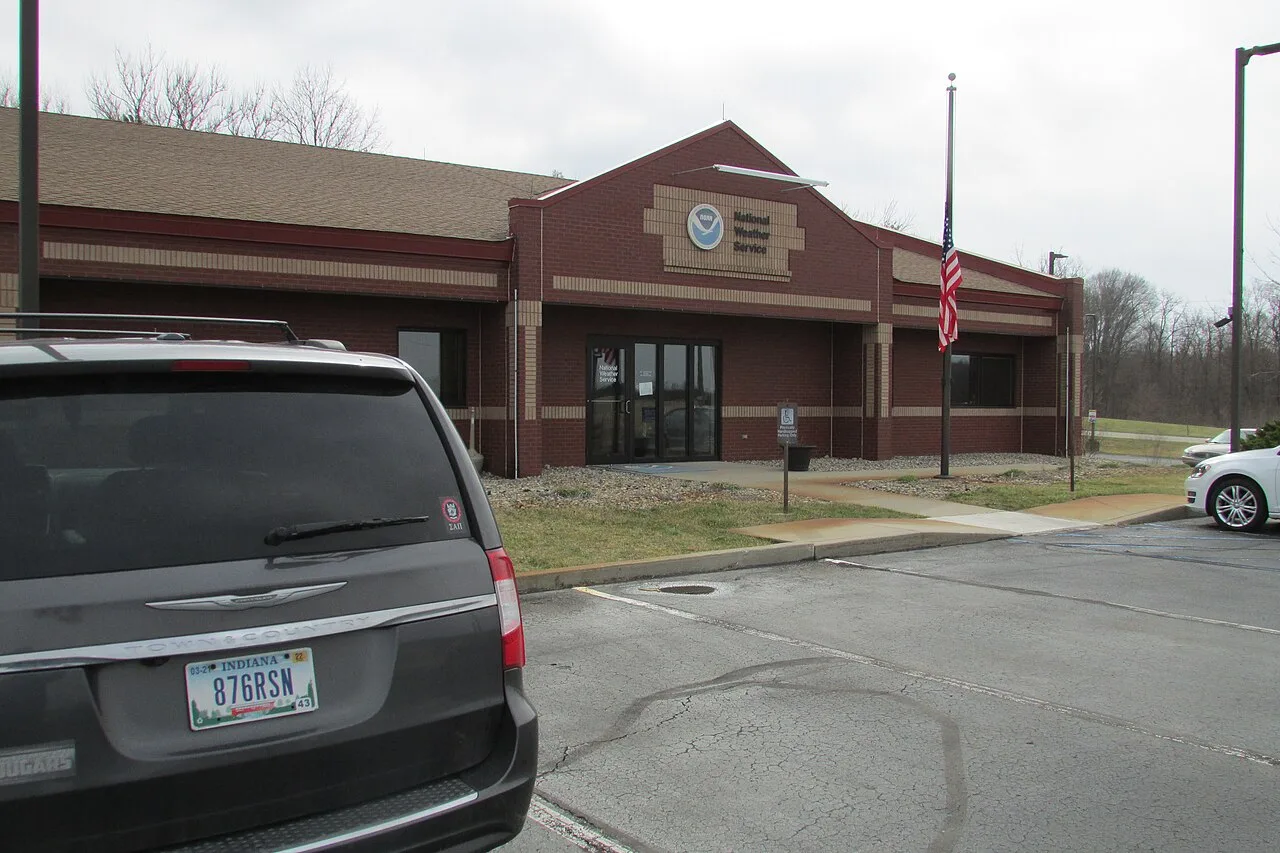
The US enters a potentially historic El Niño winter with its main climate agency much smaller than it was. Former officials and scientists say cuts under President Donald Trump have hampered the country's ability to forecast, research and respond to extreme weather.
The National Oceanic and Atmospheric Administration (Noaa) has lost roughly 20% of its staff since January 2025. Workforce data from the Office of Personnel Management, last updated in August, shows more than 3,000 departures. The agency hired only 525 people in that time, leaving a deficit of about 2,500.
Where the losses fall
The public affairs team that spreads information was roughly halved. IT management staff fell by about 27%. Noaa lost more than 500 people in science roles and made 46 new hires there. There are about 10% fewer meteorologists and meteorology technicians as the US went into autumn, and only 40 were added between January and August.
The National Weather Service has hundreds of technical posts empty across its 122 forecast offices. Some stations have delayed data collection or cut operating hours. Delayed or limited weather balloon launches left parts of the Great Plains unprepared for tornadoes. Rural communities in Alaska, where more than 1,500 people were displaced by floods this year, received limited warnings. The Government Accountability Office found that staffing and funding cuts left the service unable to provide enough multilingual alerts, putting 26 million people at higher risk.
What El Niño could bring
This year's "super El Niño" is already climbing off the charts and is expected to strengthen through autumn and winter. It can fuel extreme weather worldwide. In the US it is expected to supercharge storms in parts of the west, raise sea levels in California by up to a foot, and set the stage for debris flows, landslides and flash floods.
"The system has not really been tested since all the cuts happened," said Tom Di Liberto, a former Noaa climate scientist now at Climate Central. He said it was a big question whether the country can handle coast-to-coast extremes this winter.
Monica Medina, a deputy administrator at Noaa under President Obama, said she worried about loss of life. Anna Zivian, a climate researcher, said she suspected the worst outcomes of the lost capacity had not yet been seen.
During the last strong El Niño a decade ago, the agency deployed planes, weather balloons, unmanned aircraft and a research ship to collect data. This year only "a handful of unmanned watercraft" will go into the Pacific, NPR reported in September.
A Noaa spokesperson said the agency has "never been more equipped to study, prepare for and respond to" an El Niño event. Former administrator Rick Spinrad agreed that new technology has improved data collection and forecasting.
Trump has proposed cutting $1.6bn from Noaa's budget next year, a 26% drop. Many of the cuts may not survive the budget process.
Source: The Guardian