Weight-Loss Drug Boom Could Threaten Insulin Supply, Group Warns
The Access to Medicine Foundation says drugmakers' focus on GLP-1 obesity products risks pulling attention from insulin, which many in poorer countries cannot get.
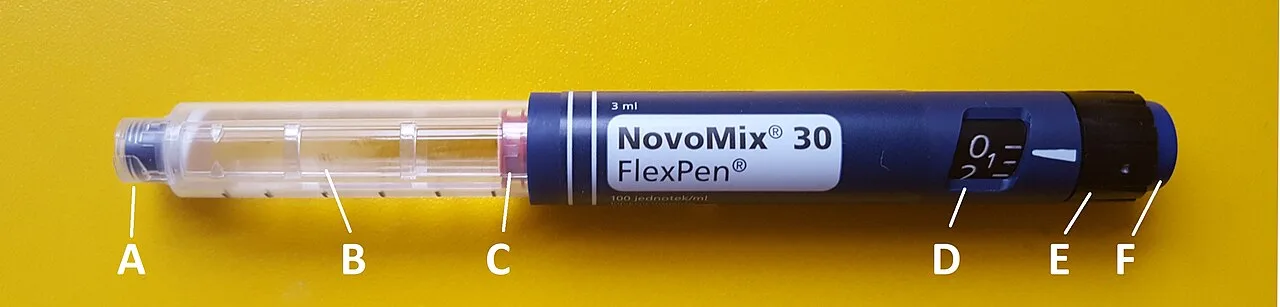
Insulin could end up neglected as drugmakers chase the market for GLP-1 weight-loss medicines. The head of the Access to Medicine Foundation, a Netherlands-based non-profit, warns that this is a real risk.
Why insulin is less attractive
Weight-loss injections and pills sell at far higher prices and with fatter margins than insulin does. Chief executive Jay Iyer said Sanofi, Lilly or Novo, the three insulin makers, might leave the insulin market. Any one of them going would be disastrous for supply, he said, hitting hardest those with type 1 diabetes and insulin-dependent type 2.
The three makers are not moving in step. Denmark's Novo Nordisk plans to retire some older diabetes products, insulin pens among them. It also says it will review the foundation's findings, including how to broaden access to analogue insulins.
Sanofi, the French company, has begun construction of a new insulin plant at its Frankfurt BioCampus. Its insulin reaches 15 million people a year in over 100 countries. Eli Lilly won US approval in September for a new insulin shot taken once a week by adults with type 2 diabetes.
Iyer said much of the attention on GLP-1s is aimed at obesity. "That's not going to help people with type 1 diabetes," he said, adding that after 105 years of insulin development they still lack access to the drug.
Who is left without
An estimated 589 million adults live with diabetes worldwide. Some 81% of them are in low- and middle-income countries such as Pakistan, Egypt and Jordan.
The new drugs are only beginning to enter those markets for obesity. In many lower-income countries they are not registered at all. Where they are on sale, high prices and the lack of fair pricing measures put them beyond most people.
Type 2 diabetes was the original target: the drugs steady blood sugar, slow digestion and curb appetite. Rising use against obesity has since created a big, lucrative market. Millions take them in the US and other wealthy countries.
Rankings and access to medicine
Swiss drugmaker Novartis kept first place in the foundation's global health equity ranking, a spot GSK held last time. AstraZeneca climbed to third, with access plans for nearly all its drugs in late-stage development.
Measures to widen access in poorer countries now cover nearly two-thirds of cancer drugs. Iyer said that over 20 years of the index, access has become part of corporate strategy at some companies and sometimes sits in executive bonus targets.
The foundation is part-funded by the UK and Dutch governments.
What is in development
The foundation's biennial report found that most medicines in development in this field target type 2 diabetes. Only 10 of the 25 aim at type 1.
Source: The Guardian