NHS to Trial Multi-Cancer Blood Tests in 200 GP Surgeries
A government-funded trial will offer one-draw blood tests for abdominal cancers to over 20,000 patients aged 45 and over in England.
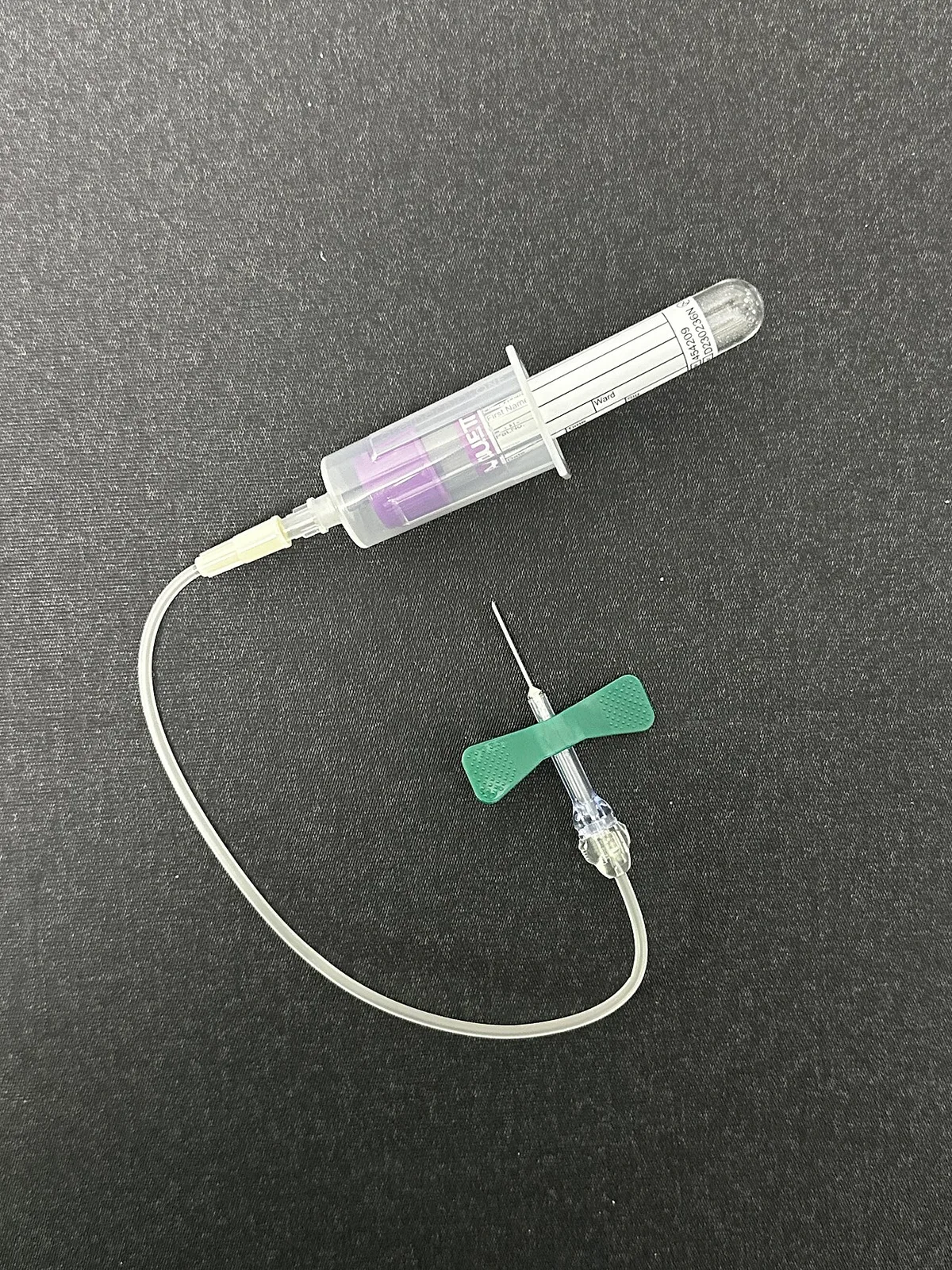
NHS patients in about 200 GP surgeries in England will be offered blood tests that look for several cancers at once. The trial targets abdominal cancers that are often found only after they have spread.
Who takes part
More than 20,000 patients aged 45 and over will be eligible. They must have symptoms such as pain or persistent bloating. Each will give one or two tubes of blood at their GP practice, alongside routine tests.
The University of Birmingham leads the government-funded study. It will test whether the blood tests are accurate enough for wider use in the NHS. The trial is called STRIDE-RCT.
What the test looks for
The samples are checked for proteins or pieces of DNA that could be a sign of cancer. Scientists check the samples for signs of cancer. A signal may also show where the tumour is. The results could help doctors decide which patients with vague symptoms need further checks.
A positive result does not automatically mean cancer. A negative one cannot promise that a patient is clear.
The trial covers a long list of cancer types: bowel, small bowel, stomach, oesophageal, pancreatic, liver, bile duct and gallbladder, ovarian, endometrial, kidney, bladder and prostate. Its stated aim is to find liver, ovarian and pancreatic cancers much sooner, because they are often discovered only after they have spread.
Why early detection is the goal
In England, nearly 35,000 people die from pancreatic, stomach, liver, ovarian or bowel cancer, and about 71,000 are newly diagnosed with them each year. Prof Peter Johnson, NHS England's national clinical director for cancer, said detecting abdominal cancer early is "notoriously difficult" because symptoms are easily mistaken for less serious conditions.
Health secretary Yvette Cooper said she hoped such simple tests would flag patients who need urgent investigation far earlier. Michelle Mitchell of Cancer Research UK said GPs have long needed better tools, calling the trial "an important step" toward that need.
The idea is not new. Galleri, another blood test studied in a separate NHS trial, did not reach its main aim of cutting late-stage cancer diagnoses. Researchers are still weighing its potential benefits.
Our View
The Galleri result shows that a test that finds signals in blood does not automatically change outcomes. STRIDE-RCT is about accuracy in patients who already have symptoms, which is a narrower question. The numbers on how often it flags cancer, and how often it misses it, will decide whether GPs get a new tool.
Source: BBC News