Bitcoin Price Tracker Extension Goes on Sale for $55,650
A browser extension that shows bitcoin prices in the toolbar is listed for sale, and the Chrome Web Store shows 50,000 users for it. The listing raises the question of who controls updates after a handover.
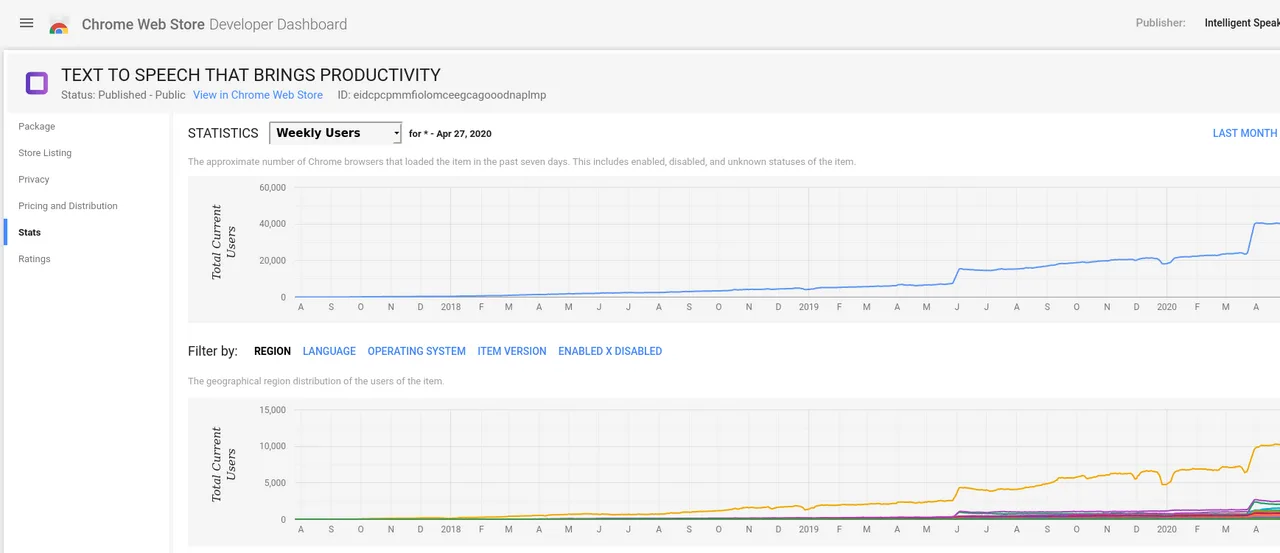
A Chrome extension that shows the bitcoin price in the browser toolbar is up for sale, and the Chrome Web Store shows 50,000 users for it. The asking price is $55,650.
What the buyer would get
The Bitcoin Price Tracker was listed for sale on 29 September. Chrome's web store shows 50,000 users and names Extpose as the provider. The extension puts a BTC/USD price from Binance in the toolbar.
The seller gives a separate figure: 37,100 installs between 14 September 2025 and 13 September 2026. Listed as pre-revenue, the product is pitched as a base for financial-information services or partner offers.
The price covers three things: the extension, its source code and 14 days of handover assistance. A buyer gets an audience that already chose to install the tool, not a ticker built from scratch.
Nothing in the listing shows a finished deal. It also does not tie the extension or its seller to malware.
How bought extensions have turned malicious
A new owner can control future updates. That reaches people who installed the tool long before the sale.
Security firm Socket documented how this has been abused. In an investigation dated 27 August, it identified 19 malicious extensions, 18 for Chrome and one for Edge. Fourteen were built by the attacker. Five were bought from legitimate authors.
According to Socket, the bought extensions worked as advertised at first. Later versions added malicious behaviour. One right-click utility showed wallet-connection and swap hijacking, and fake Ledger and Trezor recovery screens meant to collect seed phrases. Socket also described code that could be changed remotely and that stripped Content Security Policy protections.
Socket estimated the largest of the bought tools, a right-click utility, at about 70,000 Chrome users plus 10,000 on Edge, so up to 80,000 people could have been exposed. Its Superior campaign tracker, as viewed on 13 November, still labels the operation ongoing. It gives 6 November as the last recorded activity and lists 33 affected package artifacts across 24 unique packages.
A February report from Annex describes a similar case. The image-search extension QuickLens got a new owner on 1 February. A malicious version 5.8 followed 16 days later. It asked for extra permissions that would trigger an acceptance prompt, and image search kept working.
How handovers show up to users
On Edge, a transfer needs a request from the current owner, a review and confirmation from both publishers. Microsoft says this typically takes about three weeks. After it, the new owner has full control of the listing and its updates.
The public page may lag behind. When a transfer goes through, the description, screenshots, privacy-policy link, owner name and website link stay as they were until the new owner publishes an update. A familiar name on a listing can therefore belong to the previous owner.
Google tells developers to route transfers through Chrome Web Store support. Its policies forbid malware and phishing, and data an extension collects may serve only the purpose it disclosed. Passing that data on in a sale needs explicit prior consent.
The sale offer stays separate from the confirmed malicious acquisitions. Socket's advice is to review extensions regularly and remove those that are unnecessary or look suspicious.
Source: CryptoSlate