Richmond Fed's Barkin Expects Further Rate Hikes, Gradually
Richmond Fed President Thomas Barkin says more increases will be needed because inflation is too high, but a gradual pace makes sense to him.
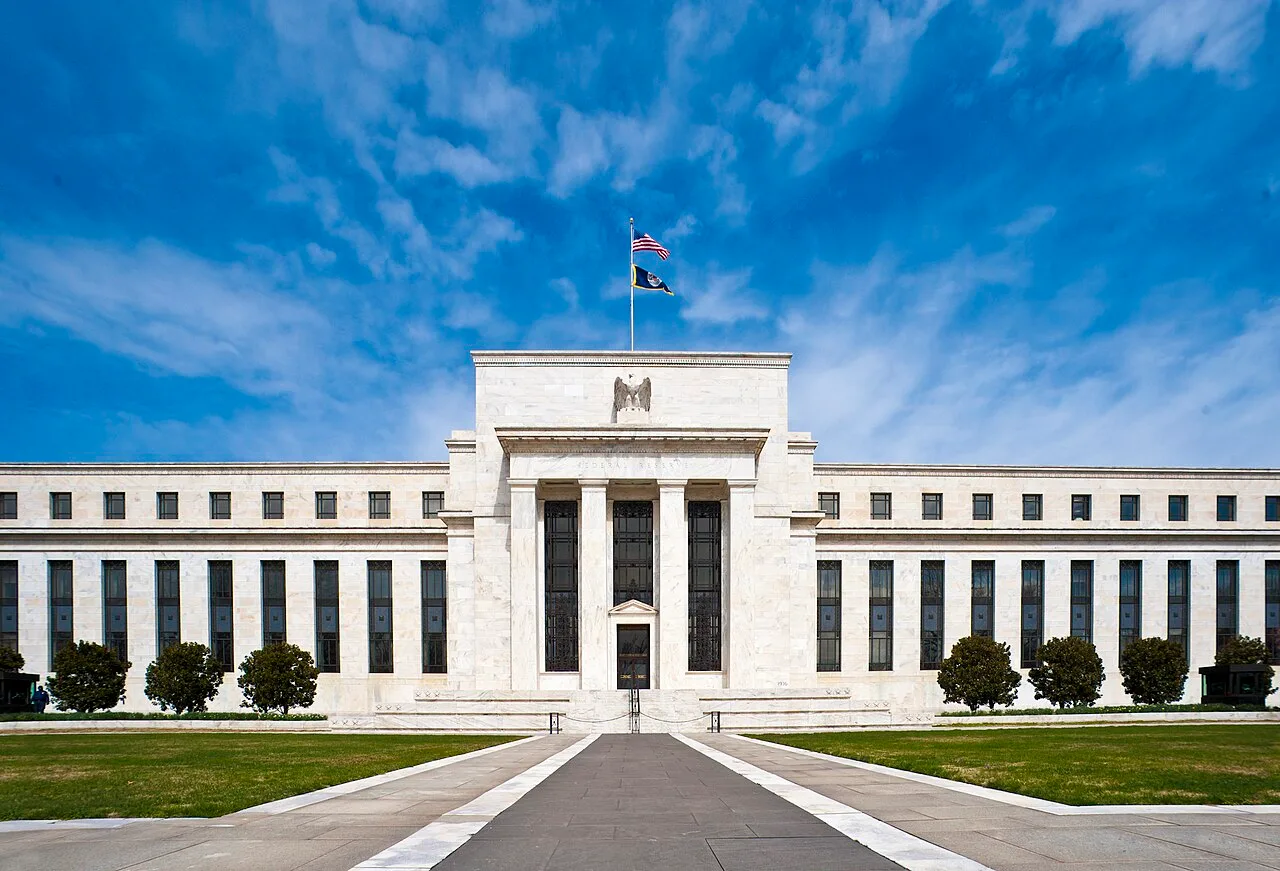
A Federal Reserve policymaker says the central bank is not done raising rates. Richmond Fed President Thomas Barkin told CNBC on Thursday that he expects further increases, though he is unsure by how much or how fast.
Inflation is the risk
Barkin spoke in an interview that was part of the Richmond Fed's 2026 CFO Summit. "Unemployment's near record lows, and inflation is too high," he said. "That means the path is pretty straightforward. The question, of course, is pace."
He called inflation "the most important risk right now" and said artificial intelligence is one source of price pressure. He added that AI should eventually spur production and help ease inflation later.
On pace, Barkin said a gradual approach makes sense when the world is uncertain and new information is still arriving.
Where the Fed stands
His comments came a little more than a week after the Federal Open Market Committee voted to hold the benchmark overnight borrowing rate in a range of 3.75% to 4%. He does not vote on the committee this year, but he will in 2027.
The FOMC said after its meeting that it is waiting for more information to accumulate. When it approved a quarter-point hike in September, most officials then saw one more increase coming before 2026 ended. The CME Group's FedWatch tool puts the odds of a December hike above 80%, with one more move expected in 2027.
Barkin said he sees current policy as close to neutral, a level that neither restricts nor promotes growth. He argued that consumption, roughly two-thirds of the economy, remains relatively elevated. That, he said, would suggest policy is a little accommodative.
A watch on hyperscaler debt
Barkin also raised the debt issuance to hyperscalers, estimated at better than $500 billion this year. He called it worth watching for potential credit issues. He said the big hyperscalers throw off plenty of cash, so he finds it hard to see them as weak credits. The worry, in his view, is the intermediaries who may be taking on risks nobody knows about.
Back on inflation, he said he hopes the September move, and whatever else the Fed chooses to do, will have some effect on inflation.
Source: CNBC