Ferrari Lifts 2026 Outlook Despite Fewer Shipments
Ferrari raised its full-year targets for the second quarter in a row after slightly beating third-quarter estimates. Shipments are below last year's level.
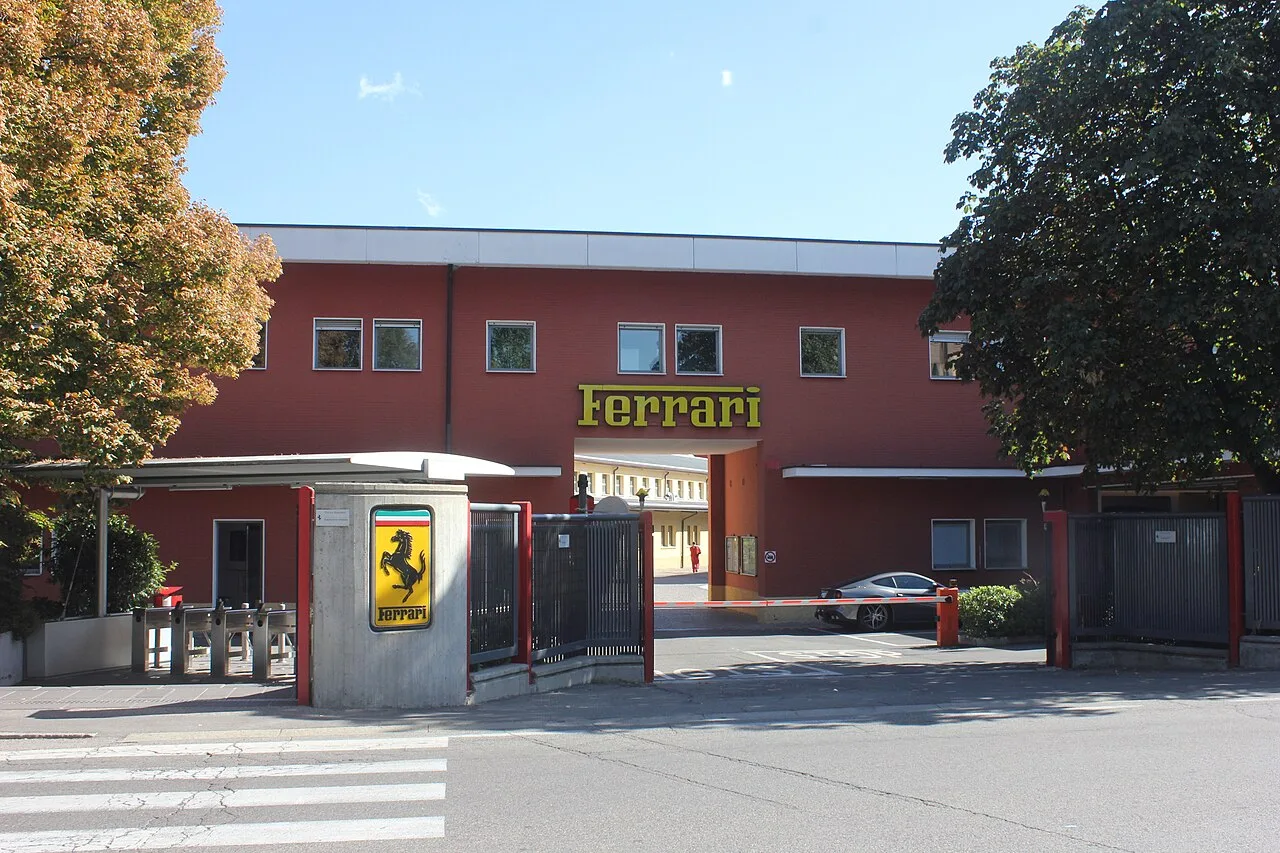
Ferrari is selling fewer cars this year, yet it raised its 2026 guidance again on Tuesday. Third-quarter results edged past Wall Street estimates.
How investors took it
Ferrari's US-listed shares first fell, then turned positive and closed Tuesday at $414.77, up 2.9%.
RBC Capital Markets analyst Tom Narayan called the results largely in line with expectations. He said the shares might be under slight pressure because some investors hoped for a bigger raise, but that sentiment should improve once people see the results are healthy.
Fewer cars, more income
Through the first nine months Ferrari shipped 10,170 vehicles, which is 318 fewer than a year earlier. The drop was led by fewer shipments to the Americas and to China, Hong Kong and Taiwan. Revenue and earnings still grew.
This is the second quarter in a row with a guidance raise. Ferrari tied it to customer personalizations that ran ahead of plan, a milder currency drag than it had feared, and a second-place finish in the Formula 1 championship.
CEO Benedetto Vigna said in a release that the order book now reaches into 2028 and that two more launches are still to come this year.
The figures
Against average estimates compiled by LSEG, adjusted earnings per share were 2.44 euros ($2.77), compared with 2.37 euros expected. Revenue was 1.9 billion euros, against 1.89 billion euros expected.
For the full year, Ferrari now guides to revenue of 7.65 billion euros, from 7.6 billion before. Adjusted EBITDA is set at 3 billion euros, from 2.97 billion. Adjusted EPS should reach at least 9.85 euros, up from at least 9.68 euros.
Industrial free cash flow is now expected at up to 1.65 billion euros. The earlier expectation was at least 1.55 billion euros.
Our view
The raise is small, with revenue guidance up only 50 million euros, so the story is about how Ferrari earns money rather than how many cars it ships. Customer personalizations are a named reason for the raise, and the order book reaches into 2028. The company has not said how far personalizations can keep offsetting weaker deliveries in the Americas and China. Fourth-quarter results will show whether the pattern holds.
Source: CNBC