Economists See Limited Economic Shift After Democratic Win
Economists say the Democratic midterm sweep may change trade, spending and AI policy at the margins, while affordability and debt pressures remain.
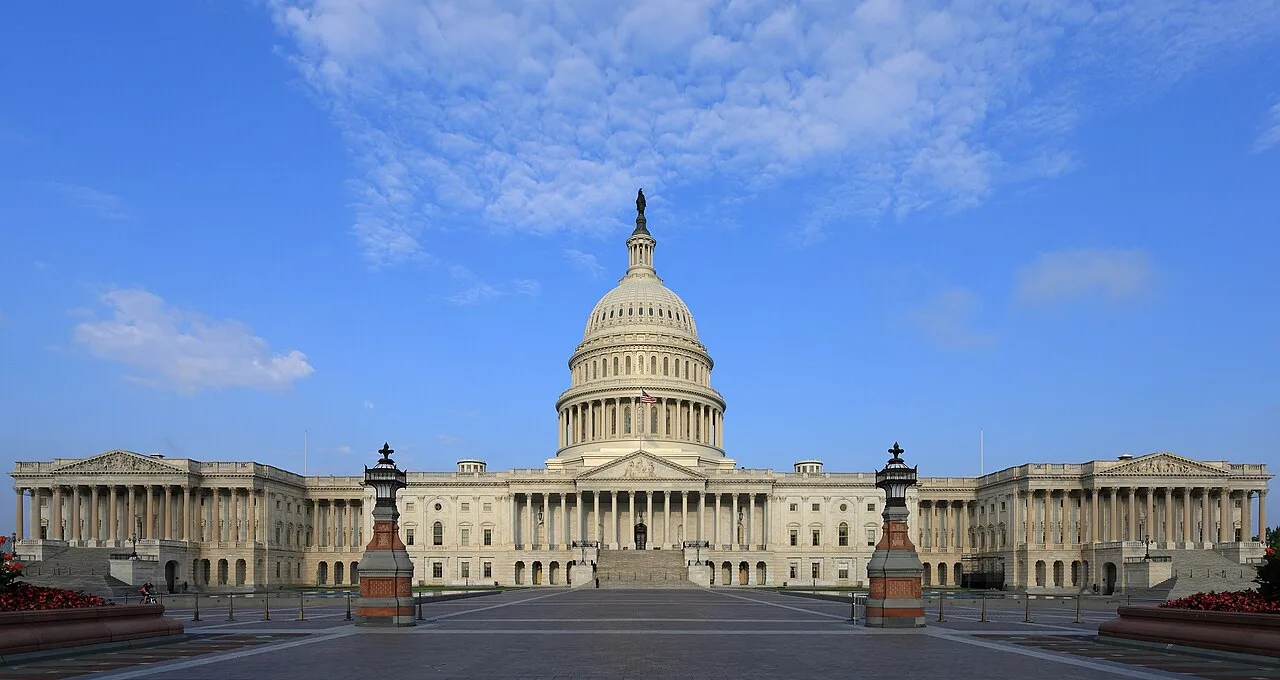
The Democratic midterm sweep is a big political event, but economists say it may do little to change the forces driving the US economy. Prices, government debt and a growth story that leans on artificial intelligence all look set to stay.
Policy sits with the president
Democrats won House and Senate races and also governor and other state contests. Yet the executive branch largely sets economic and foreign policy, and President Donald Trump remains far from his Democratic opponents. He said on Wednesday that he expects to work with them.
Mark Zandi, chief economist at Moody's Analytics, expects no change. He says the Iran war, tariffs, trade policy and immigration policy are all done by executive order, not legislation. In his view they will keep restraining growth and adding to inflation and interest rates.
Morgan Stanley analysts make a similar point in a client note. Policies on tariffs, geopolitics, trade, deregulation and export controls are likely to persist, so some policy uncertainty will too.
Two economies at once
The headline numbers look strong. GDP grew at a 3.4% annualized pace in the third quarter and consumer spending at 3.8%. The unemployment rate is 4.2%, and layoffs are near their lowest level since 1969.
Prices overshadow that. September's consumer price index inflation was 3.7%, up from 2.3% in April 2025, when Trump announced his reciprocal tariffs. It was 2.4% when the US and Israel launched attacks on Iran in late February, and that war has driven gas prices up. Inflation-adjusted wage growth is negative, down 0.7% from a year earlier.
Where deals could happen
Tariffs may be one area of overlap. Congressional Democrats have not rushed to oppose tariff moves meant to level the field for US industry, though they have criticized how sweeping Trump's tariffs are. Gary Cohn, who led the National Economic Council in Trump's first term, sees room for a compromise in which tariffs pass through the legislative system and become law. In his words, they would not be executive orders that can be rescinded the minute the next president leaves.
Morgan Stanley says Democrats would probably try to roll back SNAP and Medicaid spending cuts approved under the One Big Beautiful Bill Act. Goldman Sachs chief economist Jan Hatzius says a debt-ceiling standoff is possible, and that Democrats are likely to use it to win concessions. He lists limits on the Iran war, tariff rollbacks, reversal of spending cuts and expanded health benefits as likely priorities.
Debt and deficits stay high
The national debt stands at $40.5 trillion, up more than $4 trillion since Trump took office in January 2025. Net interest on the debt came to $1.05 trillion in fiscal 2026, more than any category of spending except Social Security and Medicare. The deficit ended the year just shy of $2 trillion, or about 6.1% of GDP, and Morgan Stanley expects that level to persist.
Risk of recession
Zandi calls the economy fragile and says recession would be a far greater risk if it were pushed off the rails. CNBC polling shows local resistance to data centers mattered in the election, especially for Democrats. It ranked below cost of living and corruption, among others.
Most of Wall Street still expects growth to continue. RSM chief economist Joseph Brusuelas puts the chance of recession over the next 12 months at 15% and calls the election outcome immaterial to that estimate. He also sees a chance to reset the trade agreement between the US, Mexico and Canada.
Source: CNBC