ClickFix Scam Turns a Fake Captcha Into a Malware Trap
A fake human-verification test asks users to press keys and hit enter. Malwarebytes says this ClickFix trick is today's most popular way to get malware onto a computer.
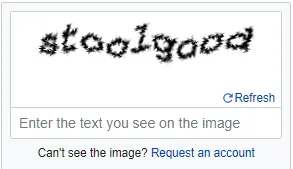
A website asks you to prove you are human, but instead of clicking pictures it wants a few keystrokes, a small difference that marks a scam a Malwarebytes researcher calls the most popular way to get malware onto a computer.
How the trick works
The scam is called ClickFix. Chris Fistonich, a researcher at the cybersecurity company Malwarebytes, says it is one of the most popular ways criminals get people to infect their own computers.
The scenario starts with an ordinary errand, such as shopping online for Christmas gifts at a small business you have heard good things about. On the shop's page you are told to verify that you are human. Familiar tests ask you to click bikes or trains in photos, or to type out grainy numbers. This one looks similar. The message may read "Verify you are human by completing the action below", with a box to tick.
Ticking the box lets the page copy malicious code to your clipboard. You are then given a short list of steps: hold the Windows key and press R, paste with Ctrl and V, and press Enter. Following them pastes the code into the system and infects the machine.
The same scam has variants. A page may claim that something went wrong when displaying it and give similar steps to fix the problem.
Why researchers rate it so highly
Fistonich calls ClickFix one of the most sophisticated malware campaigns there is. In his words, people are used to solving Captchas daily and to trusting their security software, so the trick opens a loophole that is being exploited extensively.
"This is the most popular way to get malware on to your computer," he says. He adds that it is certainly not the only way, but today it is the most popular.
Slow down, then check your protection
Speed is what this scam feeds on. When a page hurries you through steps you have not thought about, stop and consider what you are doing online.
Not every security product blocks such sites, so find out whether yours does.
If you have already followed the steps, call your bank right away, then change passwords, starting with the accounts that matter most.
Source: the Guardian