IEA Says Data Center Power Use Could Double by 2030
The IEA says data center electricity use could double by 2030 under one of its scenarios, adding strain to power grids around the world.
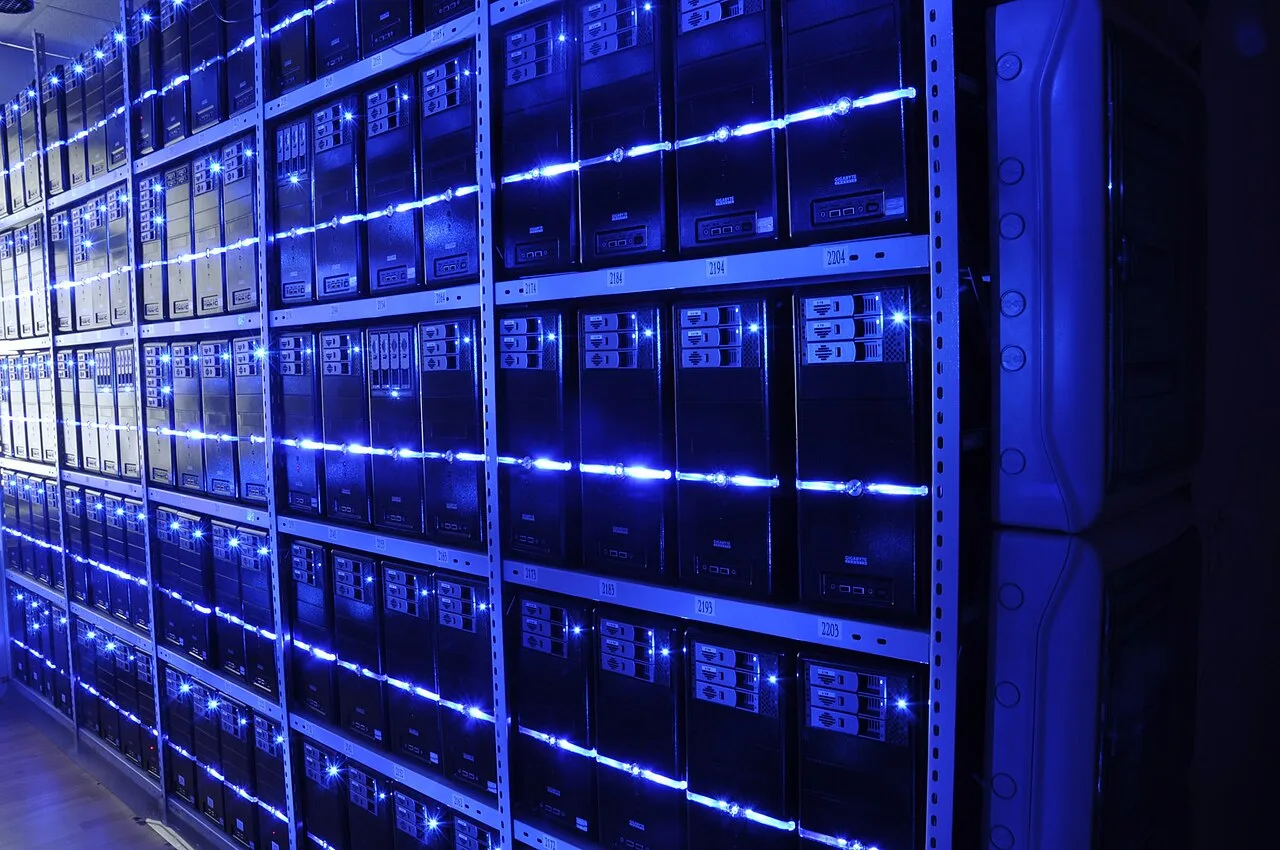
Data centers could use twice as much electricity by 2030, and the International Energy Agency says power grids will feel the strain as the AI boom spreads. Its Stated Policies Scenario puts their use at about 1,000 terawatt-hours a year.
One forecast, two scenarios
One caveat comes with that number. It is the result of the Stated Policies Scenario, which assumes measures that are proposed but not adopted yet. A terawatt-hour is a billion kilowatt-hours, so 1,000 of them a year is a very large load.
The Current Policies Scenario is stricter. It rests only on energy policies and regulations that are already in place.
Where connection requests pile up
The agency cites large project pipelines in Texas, Virginia, Finland and the U.K. In several regions, the capacity of data centers waiting for a grid connection is already bigger than today's peak demand.
If grids are not upgraded, the IEA warns of heavier congestion and lower reliability. New projects could wait longer to get connected. Generators could be forced to cut output at moments when the grid cannot meet demand.
The IEA describes the supply of copper, cables and transformers as already tight.
Local opposition and limited grid capacity could also hold up construction.
Investment in data centers and grids
Data center electricity use rose 17% in 2025. Global electricity demand rose 3%.
In a separate report published in April, the IEA expected the biggest operators to put more than $700 billion into 2026, most of it on new infrastructure.
The grid side of the bill is also large. The Stated Policies Scenario adds 26 million kilometers of new lines by 2035 and replaces or refurbishes about 16 million kilometers of existing ones. Across all its scenarios, the agency sees peak electricity demand 40% to 50% higher by 2035.
In the Current Policies Scenario, grid spending is projected to climb 75% over the coming decade. The IEA calls power networks "one of the biggest energy investment stories of the next decade."
Electrification and the 2026 energy crisis
The IEA says the 2026 energy crisis could speed up electrification, as countries try to lean less on imported oil and gas. It adds that a reliable grid becomes more important as a result.
Before the Iran war, the Strait of Hormuz carried about 25% of global seaborne oil trade in 2025, an average of 20 million barrels a day of crude and oil products. Nearly 20% of global LNG trade passed through it too.
Executive Director Fatih Birol said the pressures of the crisis "must not obscure the choices that will shape energy security, sustainability and prosperity."
Over the same decade, the Current Policies Scenario sees renewable power generation growing 85% more than in the previous one. Solar power would overtake every other source to become the world's largest from the late 2030s. In the IEA's main scenarios, electricity reaches nearly 30% of global final energy consumption by 2035, up from 23%.
Source: CNBC