EIA: Renewables to Meet Rising U.S. Power Demand as Coal Falls
The EIA expects record U.S. power generation this year, with renewables covering most of the growth while coal use keeps dropping into 2027.
U.S. power plants are on track for a production record this year, and the federal forecast says renewables will carry most of the extra load. Coal, meanwhile, keeps losing ground.
A record year for generation
The U.S. Energy Information Administration, in its November Short-Term Energy Outlook, projects almost 4,390 billion kWh from the electric power sector this year. That is 2.7% above 2025. The agency points to rising demand from the commercial sector and to more cooling needs after a warmer-than-average summer.
Growth is expected to slow next year. Commercial and industrial demand should stay strong, but lower residential use is forecast, because next summer is expected to be milder.
Solar, wind and storage
Utility-scale solar is expected to supply 7% of U.S. generation in 2025, 8% in 2026 and nearly 10% in 2027. Wind rises from 11% in 2025 to 12% by 2027. Solar and wind are due to add roughly 72 GW and 20 GW of new capacity respectively, across this year and next.
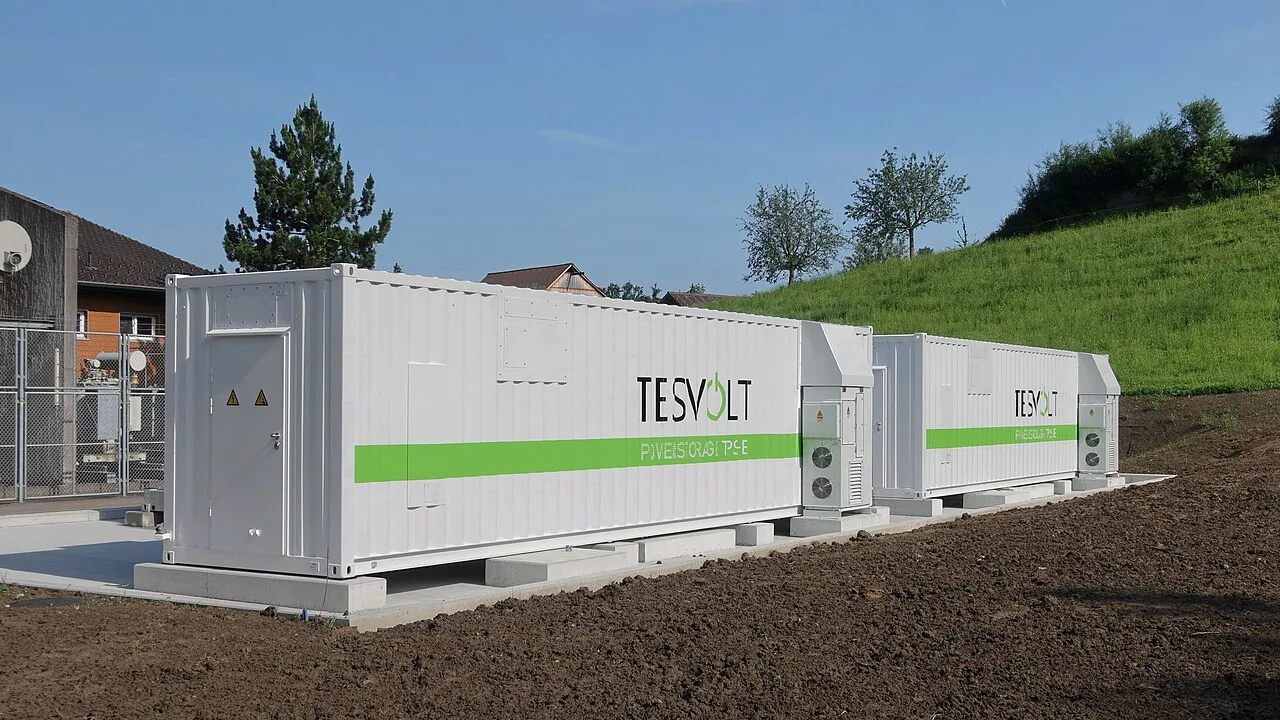
The EIA also forecasts significant battery storage growth. Utilities could install more than 25 GW of storage next year, which would bring installed capacity to 91.7 GW by the end of 2027. That is nearly 40% above the expected 2026 total. The EIA counts systems of 1 MW or larger, and it puts capacity at 28.9 GW in the first quarter of 2025 and 66 GW at the end of this year.
Coal and gas
Coal's share of generation is forecast to slip from 17% in 2025 to 15% by 2027, while 13 GW of coal capacity is due to close before the end of next year. Coal consumption in the power sector has fallen against 2025 levels in eight of the first ten months of this year.
The agency credits the decline to added wind and solar capacity and to cheaper gas: producers paid 9% less on average in the second and third quarters. For 2027 it sees coal use slipping a further 5%, with gas for power plants getting 19% cheaper and renewables still expanding.
Gas is expected to hold at about 40% of generation in both 2026 and 2027. Nuclear is forecast to average 18%. For fuels other than renewables, generation is likely to stay flat or fall, the agency says.
Source: Utility Dive