Britain Wins Seat on UN's Top Court With Dapo Akande
Dapo Akande has been elected to the International Court of Justice. It comes almost ten years after the previous British judge failed to win re-election.
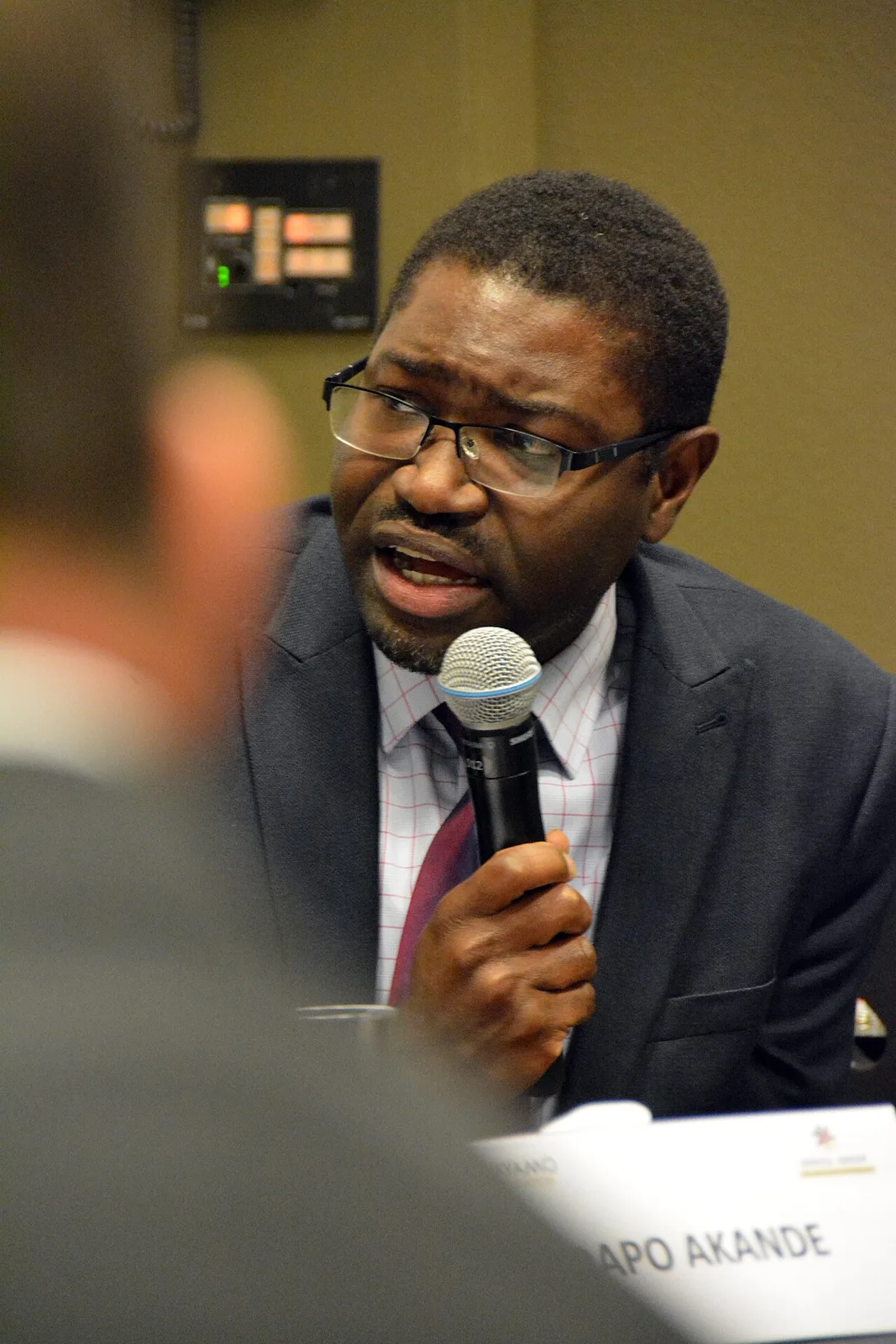
Dapo Akande, a British professor of public international law, has been elected a judge of the UN's International Court of Justice (ICJ). The Guardian calls it a big British diplomatic victory.
The 2017 defeat behind it
In 2017, Sir Christopher Greenwood unexpectedly lost his seat to his Indian rival. It was the first time the court had no British judge.
The result sent Britain into soul-searching over its standing at the UN. It also raised questions about its record of compliance with the ICJ's advisory opinions.
The new judge
Akande will be one of the court's 15 judges, with a term of at least nine years. He first qualified as a lawyer in Nigeria. Today he is a professor, a fellow of All Souls College, Oxford, and an elected member of the UN International Law Commission.
His record includes work as counsel, adviser and expert in cases before international courts and tribunals, the ICJ among them.
After the vote he said: "I pledge to serve with independence and to deciding cases on the basis of a faithful and impartial application of the law."
London's campaign
Alex Norris, the UK lord chancellor, campaigned hard for Akande. He said international law is under pressure and that Akande offers independence, legal rigour, judgment and breadth of perspective. In his words, "He would make a formidable contribution to its work."
Norris described the UK as a steadfast supporter of the court. He said Britain has accepted its compulsory jurisdiction and encouraged states that have not done so to consider it.
A court with weight in London
The ICJ, often called the UN's principal court, settles disputes between states. Its recent series of opinions on Israel's failure as an occupying power to meet its duties toward Gaza's population drew wide attention.
Britain has also met the court over the Chagos Islands. The UK lost another vote in 2016, 94-15 at the UN General Assembly, when a Mauritian-backed resolution questioned the disputed legal status of its hold over the islands. The matter was referred to the ICJ. The court later found for Mauritius.
The Labour government then reached a deal, completing talks that began under the Conservatives. Completing the deal in parliament has stalled after objections from the Trump administration.
Our View
A British judge returns to a court whose rulings have not always suited London. What matters next is how the government handles outcomes it dislikes, and the stalled Chagos deal is the nearest test.
Source: The Guardian