Supreme Court Weighs Catholic Schools in Colorado Pre-K
The justices hear a case on Tuesday over whether religious preschools in Colorado's universal pre-K can turn away children of gay and trans parents despite a state anti-discrimination law.
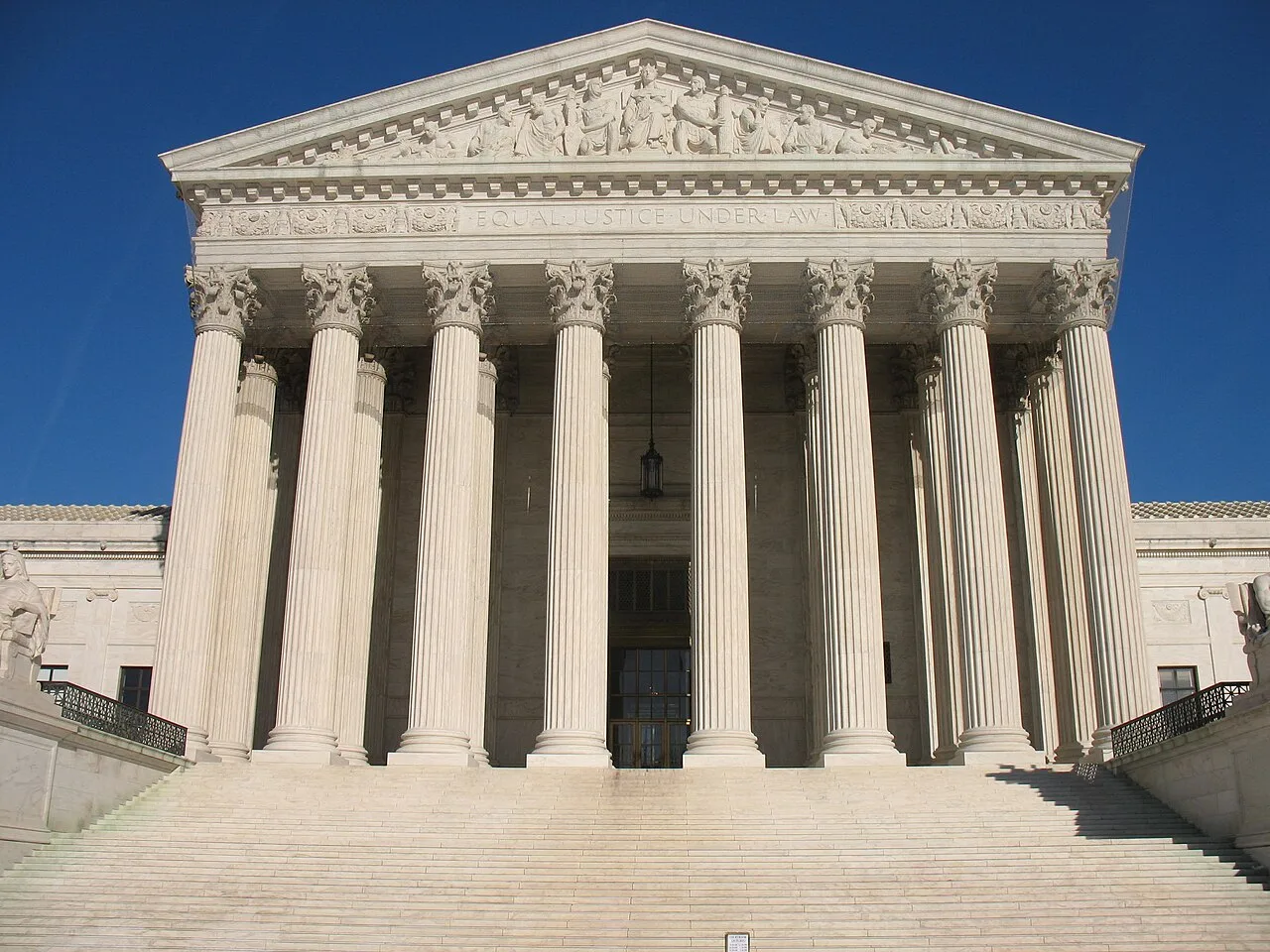
The US Supreme Court takes up a case on Tuesday that pits the Catholic Church against Colorado's universal pre-K program. At issue is whether Catholic preschools in Colorado may refuse children whose parents are gay or trans while taking part in a taxpayer-funded program.
How Colorado built its pre-K program
Colorado offers a universal pre-K program for 4-year-olds, with a $6,300 yearly benefit for each enrolled child. A tobacco tax pays for it. Unlike most other states, Colorado invited religious schools in. The condition was that every school follow the state's anti-discrimination law, which covers race, religion, sexual orientation and gender identity.
Steve Fenberg, who led the state Senate when the program passed, says it was meant to give every child access to preschool wherever they live. Representative Emily Sirota, a prime sponsor, says lawmakers wanted parents to have "a robust choice". The Catholic Church first endorsed the program, and Catholic Charities still takes part, as do at least 35 Christian schools, one Muslim school and three Jewish schools.
What the Denver archdiocese wants
The Denver Archdiocese and two parishes sued, with the Becket Fund for Religious Liberty acting as their lawyers. Its chief executive, Mark Rienzi, argues that the state excludes only religious schools built around beliefs Colorado dislikes. Families need not be Catholic, he says, but they must agree to support Catholic teachings and not contradict them in public.
The church wants an exemption from the state law. Without one, a school cannot refuse a 4-year-old because of a parent's or relative's sexual orientation or gender identity.
Archbishop James Golka wrote in the Denver Post that, as a result of the program, enrolment in Catholic schools across the archdiocese is down 20% and that two preschools have closed. Scott Elmer, the archdiocese's superintendent of Catholic schools, says LGBTQ parents rarely try to enrol their children.
Not all Catholic educators back the church. Tim Uhl, who has held leadership posts in school systems in seven states, is among a group of Catholic school directors who filed a brief siding with Colorado.
A court that has shifted on religion
The court embraced the idea of a separation of church and state in the 1940s. Roughly ten years ago, its conservative majority moved the focus to the First Amendment's free exercise clause. Michigan State law professor Frank Ravitch, who has written widely on the religion clauses, calls it "literally the opposite of what the law was not that long ago".
In 1983 the court ruled 8 to 1 that Bob Jones University should lose its tax-exempt status over its ban on interracial dating. Whether that precedent would carry over today is unclear. Law professor Douglas Laycock argues race has a unique place in US history. He says the question is whether the archdiocese's discrimination counts as a protected exercise of religion.
Last year the justices split evenly on whether a taxpayer-funded charter school could be religious. Justice Amy Coney Barrett had recused herself, and the case was dropped. She has not stepped aside this time, so a full court will decide.
Berkeley law dean Erwin Chemerinsky asks how far the court will go in requiring government to pay for religious schools. A federal judge in Oklahoma recently let a Jewish charter school open with $2.6 million in state funds, and its fate remains in limbo.
Our View
The Colorado ruling could reach beyond preschools. The future of religious charter schools, including the Oklahoma one, also depends on this decision. The outcome depends on whether the court treats this as a question of equal treatment for religious schools or as a question of conditions on public money. The justices' questions on Tuesday may point toward the answer.
Source: NPR