Twelve English Universities Use Only Low Salaries in Loan Examples
A BBC check of more than 110 university websites found 12 that give repayment examples below the UK average salary, plus four with wrong loan details.
A BBC review of university websites in England found that some show student loan repayments only at below-average salaries.
What the BBC counted
Reporters looked at public pages on more than 110 university websites in England. Most did not give worked examples of repayments at all. Of those that did, more than a dozen used higher-than-average earnings. Twelve used only pay below the UK average, which the BBC puts at £39,039.
The examples range widely. The University of Gloucestershire showed a £26,000 salary and repayments of £7.47 a month. Northumbria and Huddersfield each gave £75 a month, based on a £35,000 salary. Other figures on the list run from £22 a month at Birmingham to £54 at Birkbeck.
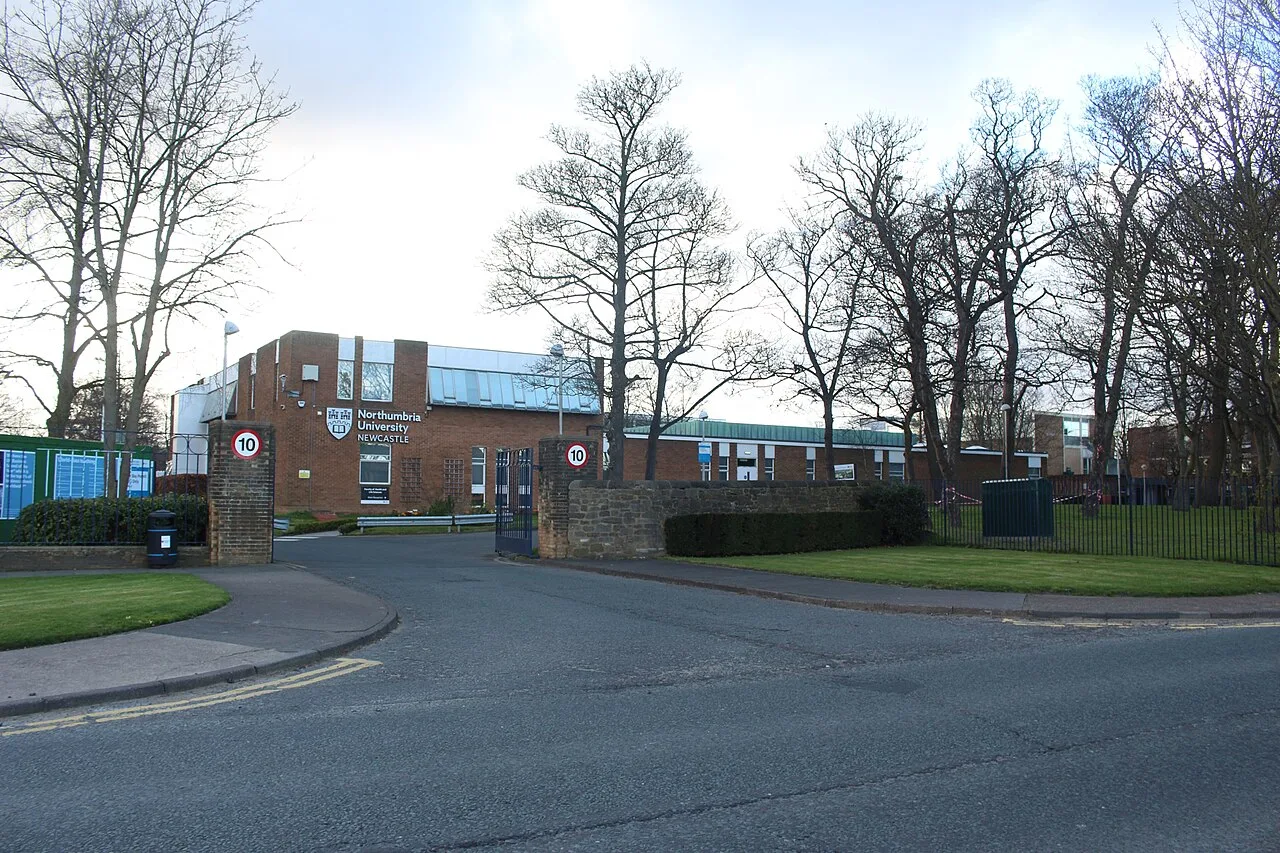
Northumbria's page said such graduates would be "repaying an amount less than the cost of a daily coffee". That line was removed after the BBC got in touch.
How the repayments actually work
Plan 5 loans cover tuition fees and living costs for current and prospective students in England. Under Plan 5, a graduate pays nine pence of every pound earned above £25,000, and the payments stop after 40 years or once the balance is gone. The more a graduate earns, the more leaves the pay packet each month.
The BBC's own arithmetic shows the spread. Someone on £30,000 repays £37.50 a month. Someone on £100,000 repays £562.50.
The government's page has the same gap. It gives monthly examples only for earnings up to £38,400 on other loan plans, and no real-world examples for Plan 5.
A graduate's view
Megan Russon, 21, is a tax accountant from Cannock. She earns about £29,000 and repays roughly £30 a month. She expects around £50,000 once she is chartered in three years, which would mean about £187 a month.
She says open-day examples used earnings between £25,000 and £45,000, and that graduates were told the repayments would be minimal and barely noticeable. At the time, she was not sure what she would earn.
Wrong details on four sites
The review also found factual errors. Exeter gave Plan 5 loans a write-off date ten years too early. Royal Holloway and Edge Hill showed wrong repayment thresholds. Harper Adams placed English students on Plan 2. All four have since updated their pages.
Politicians, students and universities respond
Dame Meg Hillier, who chairs the Treasury Committee and led its recent inquiry into student loans, described some of the information as misleading. She said she would urge MPs to write to universities in their constituencies. She also wants the Department for Education to add higher-salary examples to its own website.
Her committee's report earlier this year said the department had not made clear how higher pay affects repayments. The department then pledged to improve its information, including how pay rises affect monthly repayments. It now says it will review what it publishes.
Lewis Wilson of the National Union of Students said he found the findings shocking. He said that for any other financial product this "would have crossed the line into mis-selling".
Universities responded in different ways. Sheffield said its example was illustrative. Manchester Metropolitan and Wolverhampton called theirs explanatory and said they would review them. Portsmouth said its figure came from Student Finance England and would be updated. The Open University said its examples reflect likely student incomes, though many go on to earn significantly more. Birmingham City declined to comment.
Source: BBC News