Fresh Bomb Threats Hit 18 Flights and Newsrooms in Europe
A new wave of hoax alerts disrupted flights and broadcasters on Friday. Searches found no explosives, and officials say a pattern is emerging.
A third wave of bomb threats this week disrupted European air traffic on Friday. All affected aircraft landed safely, and searches found no explosive devices.
Flights and newsrooms targeted
The alerts touched at least 18 flights to or from Bulgaria, Cyprus, Czechia, France, Hungary, Italy, Portugal, Romania and the UK. At least nine were to or from Prague, four were over France, two were heading to Sofia, and one flew from Lisbon to Rome. Hungary sent fighter jets up three times to accompany civilian flights, its defence minister said on Facebook.
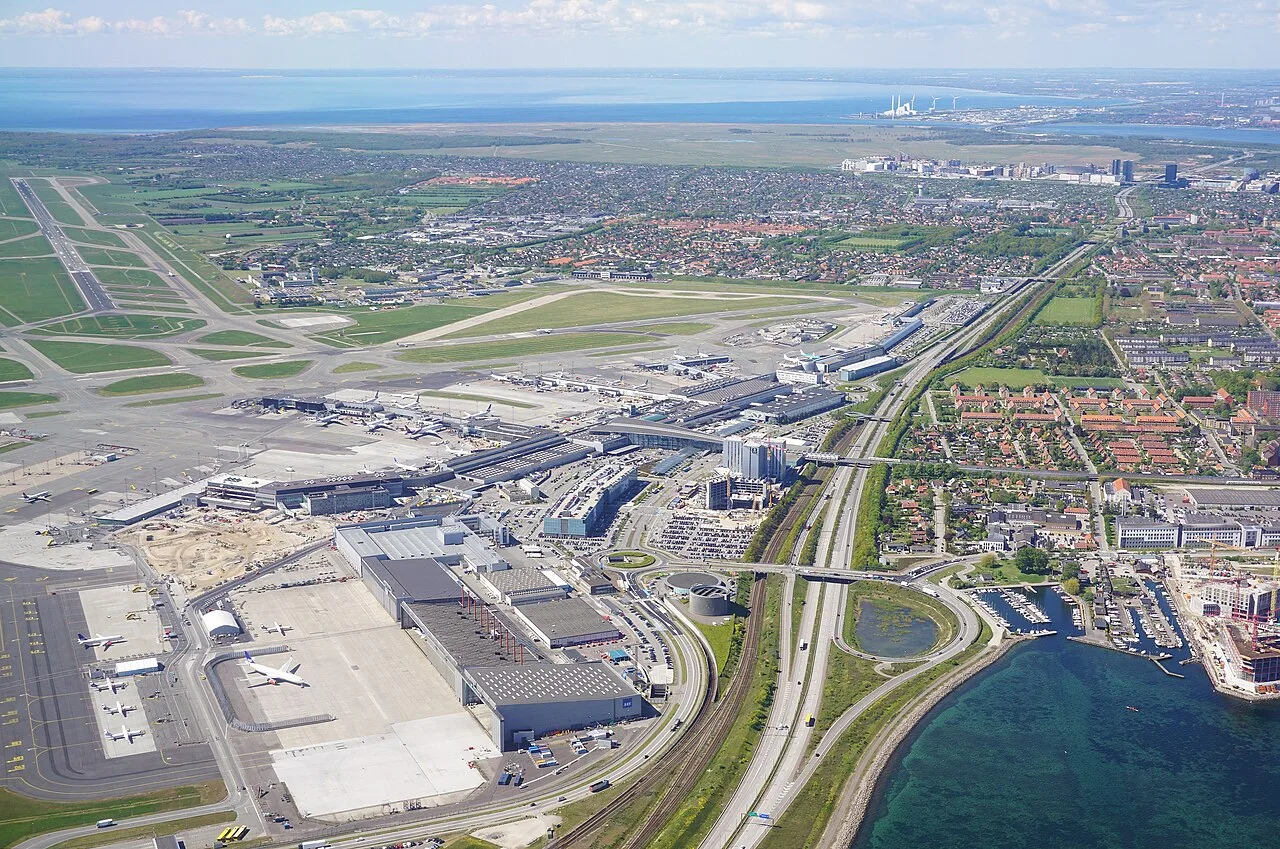
Danish police looked into a threat against Copenhagen airport. Its management said it was operating normally.
Eurocontrol had 26,709 flights scheduled in Europe on Friday. The affected ones were only 0.0674% of that total, although they caused knock-on effects.
Media were targeted as well. Threats against organisations in Ireland disrupted broadcasts and led to evacuations and police searches of newsrooms. Sky said it had received a security threat and had reported it to the authorities. Irish taoiseach Micheál Martin said on RTÉ Radio 1 that such threats must be taken seriously. He called them an effort to sow fear and anxiety.
A claim of responsibility and a denial
Threats on Tuesday and Thursday had already forced at least 35 flights to be diverted or searched. Several outlets in Bulgaria, Ireland, the UK and elsewhere reported that a group claiming responsibility emailed them. It reportedly warned: "This is only the beginning." The Guardian chose not to publish the email in full because its claims are unsubstantiated.
Some of Thursday's threats were signed "fighters of the Male State", a name taken from a Russian movement founded in 2016, which is far-right, ultranationalist and misogynistic. On Telegram the group's founder, Vladislav Pozdniakov, rejected any role and said the group had been defunct since 2021.
Investigators have said they see no sign that any hostile group or government, Russia or Iran for instance, is behind the hoaxes. Their inquiries continue. Some officials suspect a link to European support for Ukraine.
Talk of hybrid war and a call for calm
Spain's foreign minister, José Manuel Albares, said authorities need more time to identify the culprits but that there appears to be a pattern. He called a hybrid aggression and psychological warfare the most reasonable assumption.
Italy's prime minister, Giorgia Meloni, said it was unclear whether the hoaxes and this week's cyber-attacks on supermarket refrigeration systems in at least seven European countries were connected. Either way, she said, civilian infrastructure is under attack. Nato is monitoring the situation and working with allies.
Mark Rowley, the Metropolitan police chief, urged a measured response. He recalled the era of the IRA, when a cheap hoax call from a phone box could disrupt a whole city. Authorities, he said, must avoid overreacting to every message they get online.
Source: The Guardian