Peter Medak, Director of The Changeling, Dies at 88
Peter Medak, the British-Hungarian film-maker who made The Ruling Class, The Changeling and The Krays, has died at 88. His television work included episodes of Breaking Bad and The Wire.
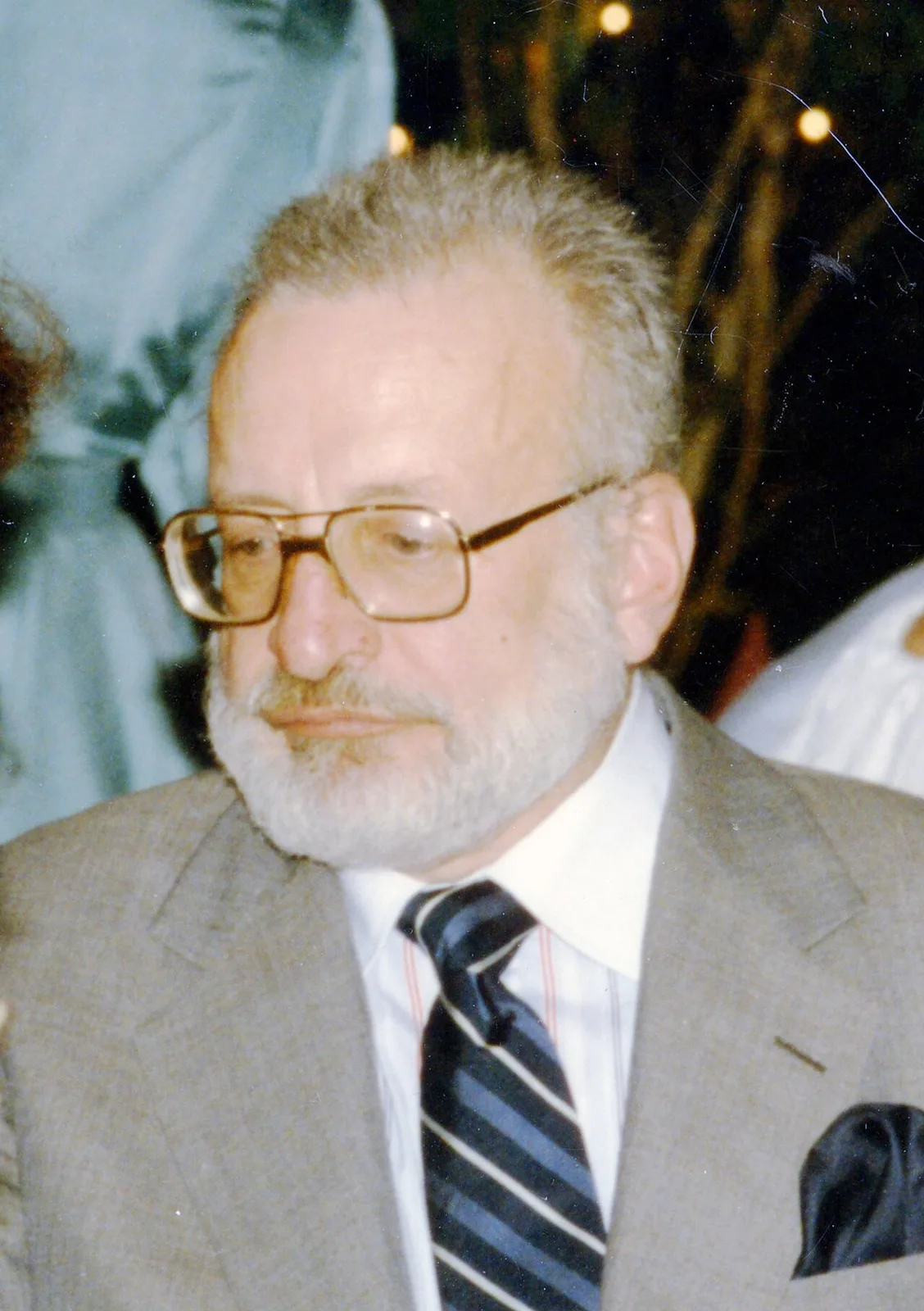
Peter Medak, the versatile British-Hungarian film-maker, has died aged 88. He directed The Ruling Class, The Changeling and The Krays, and he also worked widely in American television.
The ghost story that found its audience
The Changeling (1980) is an overlooked ghost story. In 2013, Martin Scorsese listed it among his favourite horror films, next to The Shining, The Exorcist and Psycho, and called it a "haunted house movie filled with sadness and dread". Guillermo del Toro called it a masterpiece.
George C Scott plays a composer grieving after a road accident killed his wife and daughter. In a Seattle mansion that has long stood vacant, he comes to believe a ghost is trying to contact him. The frights are quiet: a self-filling bath, a cobwebbed wheelchair, a child's face seen underwater. That restraint is why the film still chills.
Steady work on television
Medak found his most reliable employment as a hired hand on TV. In 1982 he directed four episodes of Hart to Hart. In the same decade his credits grew to include Remington Steele, Magnum PI, St Elsewhere and The Twilight Zone.
Six episodes of Homicide: Life on the Streets followed between 1994 and 1998. One episode of The Wire's first season (2002) and one of House MD (2007) were his as well, plus a season-two episode of Breaking Bad (2009).
The pirate comedy that nearly ended it all
Ghost in the Noonday Sun (1974) was a 17th-century pirate comedy shot in the Mediterranean with Peter Sellers. Medak faced bad weather and intrigue on set, and Sellers, still recovering from his breakup with Liza Minnelli, tried to organise a mutiny against him. Medak later said his career was nearly completely destroyed.
The film was shelved and never officially released. In 2018 he revisited the production in a documentary, The Ghost of Peter Sellers, which the Guardian describes as unexpectedly touching and full of affection for its troubled star.
A childhood in wartime Budapest
Medak was born in Budapest. His mother, Elisabeth, was a seamstress. His father, Gyula, ran a textile company and was imprisoned as a capitalist when communists took over Hungary in the late 1940s.
On a Saturday in June 1944, when Peter was six, the family's maid told them she had just seen Arrow Cross soldiers rounding up Jewish citizens at gunpoint. His father said they had to leave right away. They slipped past soldiers checking documents and escaped to the country, where they hid for eight months, living under false identities in a basement beside a building the SS had commandeered.
When they returned to Budapest they found their apartment building partly destroyed. Lunch was still on the table, covered in brick dust.
Film-making caught his interest after his aunt, the soprano Lotte Medák, gave him a 35mm camera that ran on a hand crank. At 18 he fled to the UK during the 1956 revolution and turned to her. Through her contacts he became a trainee at Associated British-Pathé and rose to assistant director or second unit director on films such as Funeral in Berlin (1966).
Satire, crime and Ronnie Kray's verdict
Medak made his directing debut with Negatives (1968). He was already admired for The Ruling Class (1972) when he turned to horror. In The Ruling Class, a madcap satire, an Oscar-nominated Peter O'Toole plays an aristocrat who believes he is Jesus Christ.
Two stylised films on British postwar crime came later. In The Krays (1990), Gary and Martin Kemp of Spandau Ballet play Ronnie and Reggie Kray, with Billie Whitelaw as their mother. The family, brother Charlie included, was paid handsomely, which did not stop Ronnie from loathing the film. "You had my mum swearing in it and she never swore," he complained.
Let Him Have It (1991) followed. It dramatised the case of Derek Bentley, who was hanged in 1953 after a police officer was fatally shot, although he had not pulled the trigger. The conviction was quashed in 1998.
Our View
Medak moved between comedy, horror, crime and television, and the praise from Scorsese and del Toro attaches to a film once overlooked. That shows how a reputation can shift long after release. Ghost in the Noonday Sun is the loose end: it was shelved and never officially released, and nothing here suggests that will change.
Source: the Guardian