Huang's Nvidia Return Puts Board Oversight Under Scrutiny
Four voices quoted by CNBC say Huang's exit and quick reinstatement exposed how much Nvidia leans on its founder, and point to succession planning and board experience.
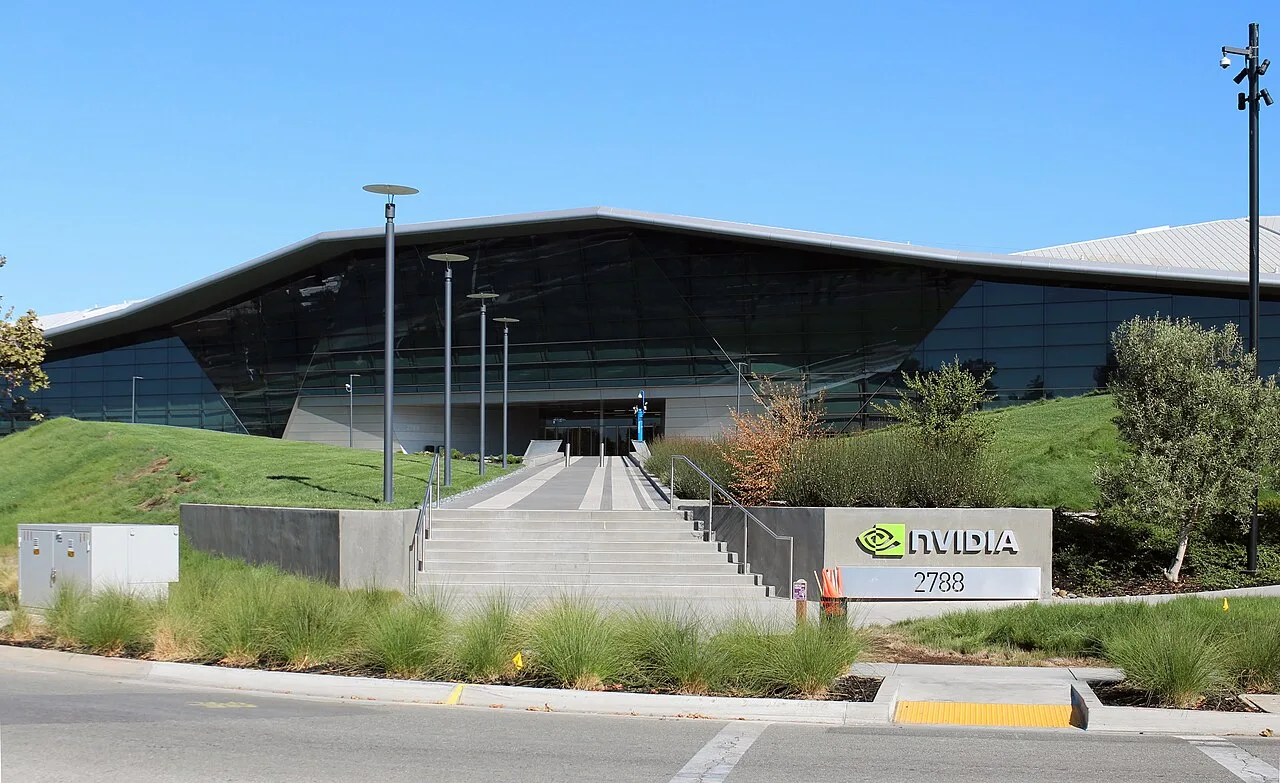
Jensen Huang is back as Nvidia's chief executive, but the way his departure and reinstatement played out has renewed questions about the board and about who could one day succeed him. CNBC spoke to four people who track the company closely.
Key man risk, named by an analyst who ignored it
"Key man risk" is the danger that a company leans so heavily on one person that it struggles if that person leaves. Bernstein's Stacy Rasgon, the firm's senior US semiconductor analyst, says the episode revived attention to it. "We all knew that there was key man risk here," he told CNBC, and he counts himself among those who chose to ignore it.
Succession planning, he says, is something both Huang and the board must settle and then explain to investors.
What Huang carries personally
Jeff Herbst, a former Nvidia executive with nearly two decades at the company, credits Huang personally for much of its technical drive. Years before AI and high-performance computing turned a profit, he was already putting money into them. Herbst adds that robotics and autonomous systems would demand heavy spending, and Huang's passion and vision at the helm.
A president, a reinstatement and a retool
Tom Hulick, CEO of Strategy Asset Managers, called it without precedent for a president to enforce the reinstatement of a company's CEO. He said Nvidia's corporate governance definitely needs to be retooled, added that the company still has plenty to worry about on governance, and said Huang is probably the right person for now. Whether Huang deserves the job, he said, is not for him to speculate on.
One former executive's case for strengthening governance
Herbst says he wrote to the board late last week calling for Huang's return. He was disappointed at first by the allegations surrounding Huang. Then he came to see the episode as an opening: "While a lot of people saw a crisis here, I saw a potential opportunity."
His proposals are specific. Nvidia should add board members who have run large companies and take a more formal approach to developing possible successors. He also says governance, succession planning and the legal, regulatory and political functions must all grow together, as Nvidia has gone from a relatively small technology company to one of the world's largest corporations.
Sixty direct reports and a CEO it felt it could not fire
Angela Mancini, head of advisory for global risk insights at Dow Jones, raised the same dependence from another angle. She pointed to the unusually large number of people reporting directly to Huang: 60, as she put it. In her words, Nvidia ended up in a situation where it felt it could not fire its CEO.
Source: CNBC