Grocery Outlet Posts Positive Same-Store Sales, Trims Profit Outlook
The discount grocer's third-quarter comparable sales rose 0.5% on more transactions. It raised its comparable-sales outlook but cut its adjusted EBITDA forecast.
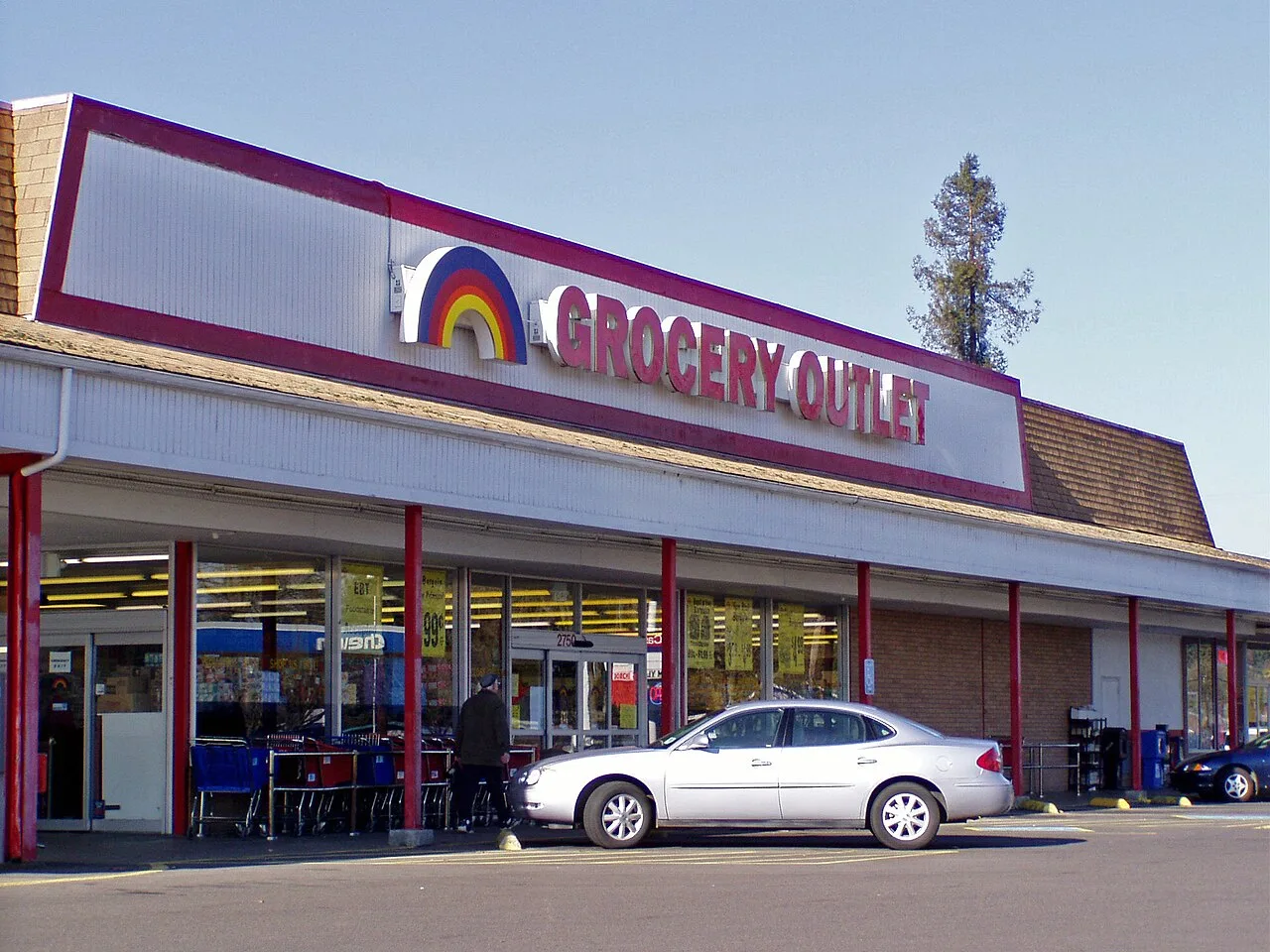
Grocery Outlet returned to positive comparable-store sales in its third quarter. The discount grocer raised its comparable-store sales outlook for 2026 but lowered its adjusted EBITDA forecast.
Two forecasts, two directions
Comparable-store sales compare stores against the same period a year earlier. Grocery Outlet now expects them to grow 0.2% to 0.4% in fiscal 2026. Its previous view was a decline of 0.5% to flat.
Profit guidance moved the other way. Adjusted EBITDA, a measure of earnings before interest, taxes, depreciation and amortization with certain items stripped out, is now seen at $225 million to $229 million. The earlier range was $225 million to $235 million.
Net sales guidance holds at $4.70 billion to $4.72 billion, and gross margin at 29.8% to 30%. Net new stores are put at 30 to 31, against 30 to 33 before. Adjusted earnings per share are forecast at 52 to 55 cents, from 51 to 55 cents.
Capital spending, net of tenant improvement allowances, is expected to total $170 million.
Where the margin went
Gross margin slipped 40 basis points, or 0.4 percentage points, to 30%. Higher promotional activity and transportation costs both weighed. So did reduced consumer demand for produce after the Cyclospora outbreak tied to some fresh produce.
A shift in sales mix toward opportunistic products offset part of that pressure.
Gross profit was $353 million. Selling, general and administrative expenses edged up to $332.5 million. Operating income came to $24 million, including $3.6 million in net restructuring credits.
Net income rose to $13.3 million, or 13 cents a diluted share, from $11.6 million, or 12 cents, a year earlier. Adjusted net income went the other way, falling to $15.6 million from $20.7 million.
More shoppers, smaller baskets
In the 13 weeks ended Oct. 3, net sales grew 0.9% to $1.18 billion and comparable-store sales climbed 0.5%. A 2.4% rise in transactions drove that, while average transaction size fell 1.9%.
"In the third quarter we returned to positive comparable store sales, driven by continued improvements to the execution of our opportunistic product offering," said CEO Jason Potter. He added that traffic accelerated and basket trends improved from the prior quarter.
The chain opened 14 stores in the quarter and closed none. It ended the period with 561 stores in 16 states.
The closure plan keeps costing money
The optimization plan began in the first quarter, when 36 underperforming stores closed in March and April. The company is also ending operator agreements and negotiating lease terminations, subleases and assignments for those sites.
It now estimates net restructuring charges of $22 million to $29 million, up from its previous estimate. Mostly, the company expects to pay more to end leases and to carry idle properties. The plan should be substantially complete by the fourth quarter of fiscal 2027.
Over the first 39 weeks, net sales were $3.54 billion, up 1.8%, while comparable-store sales fell 0.2%. Gross margin for that stretch fell 60 basis points to 29.9%, which the company ties mainly to promotions, inventory markdowns, store-closure write-offs and higher transportation costs. It opened 31 stores over the 39 weeks and closed 40, 36 of them under the optimization plan. The period shows an operating loss of $138.2 million against a profit a year earlier.
That loss includes a $158 million noncash goodwill impairment charge from the first quarter. The company says it followed a decline in its stock price and does not affect future operations. Net loss for the nine months was $161.4 million, or $1.63 per diluted share.
Source: Supermarket News