VW Plans 300,000 China-Built Exports a Year by 2030
Volkswagen wants to ship about 300,000 cars a year from China to other regions by 2030, as its sales and profit in the Chinese market fall.
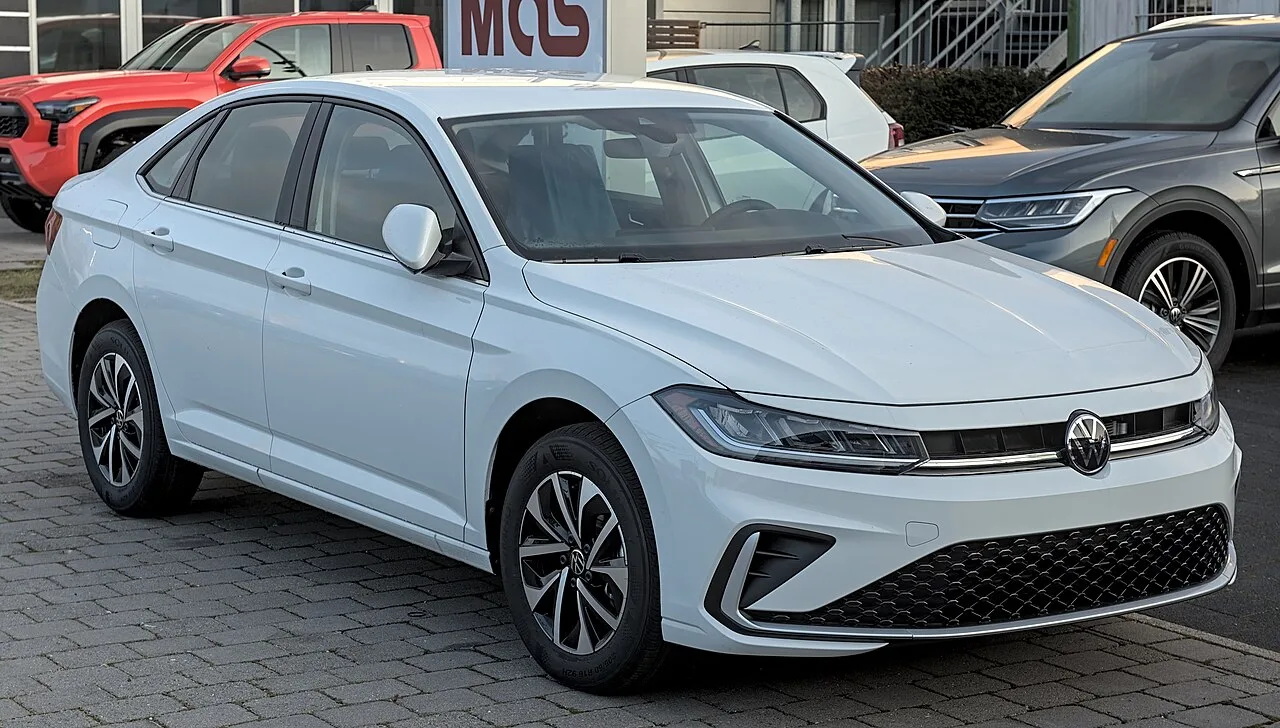
Volkswagen is squeezed at home and abroad, and one answer is to turn China into an export base. The carmaker plans to ship roughly 300,000 cars a year from its Chinese plants by 2030.
Trouble on several fronts
Annual capacity cuts approaching a million units hang over the company. Energy costs are rising, and software problems have not gone away.
In Europe, Volkswagen faces serious labor disputes with the IG Metall union. At the same time, affordable Chinese rivals are moving into Western markets.
A shrinking business in China
The Chinese joint ventures, companies Volkswagen runs with local partners, sold 1.2 million new cars between January and September 2026, 35% fewer than a year earlier.
The money side is worse. A profit of roughly $815 million last year has turned into a loss of more than $120 million.
Martin Sander, the group's sales boss, called the market drop "an industry-wide challenge". He added that the company's new electric models, developed in China, are starting to have an effect.
Where the exports would go
Targets are Mexico, South America, the Middle East, Africa and Southeast Asia. Budget-friendly sedans such as the Jetta VA3 are part of the plan.
The plan skips the US at the start, so American dealers would not see these cars on their lots.
A second step is also under consideration. Volkswagen is weighing Xpeng's tech stack, the software and electronics platform behind a car, for up to 75% of its core European lineup.
On the third-quarter results call, finance chief Arno Antlitz reportedly called the 300,000 export target "conservative".
He said shipments abroad could soften the blow of a weaker outlook in China.
Source: Electrek