US Loses Measles Elimination Status It Held for 26 Years
Global health authorities ruled that measles now spreads continuously in the US, which held elimination status for 26 years. The country is in its worst outbreak since 1991.
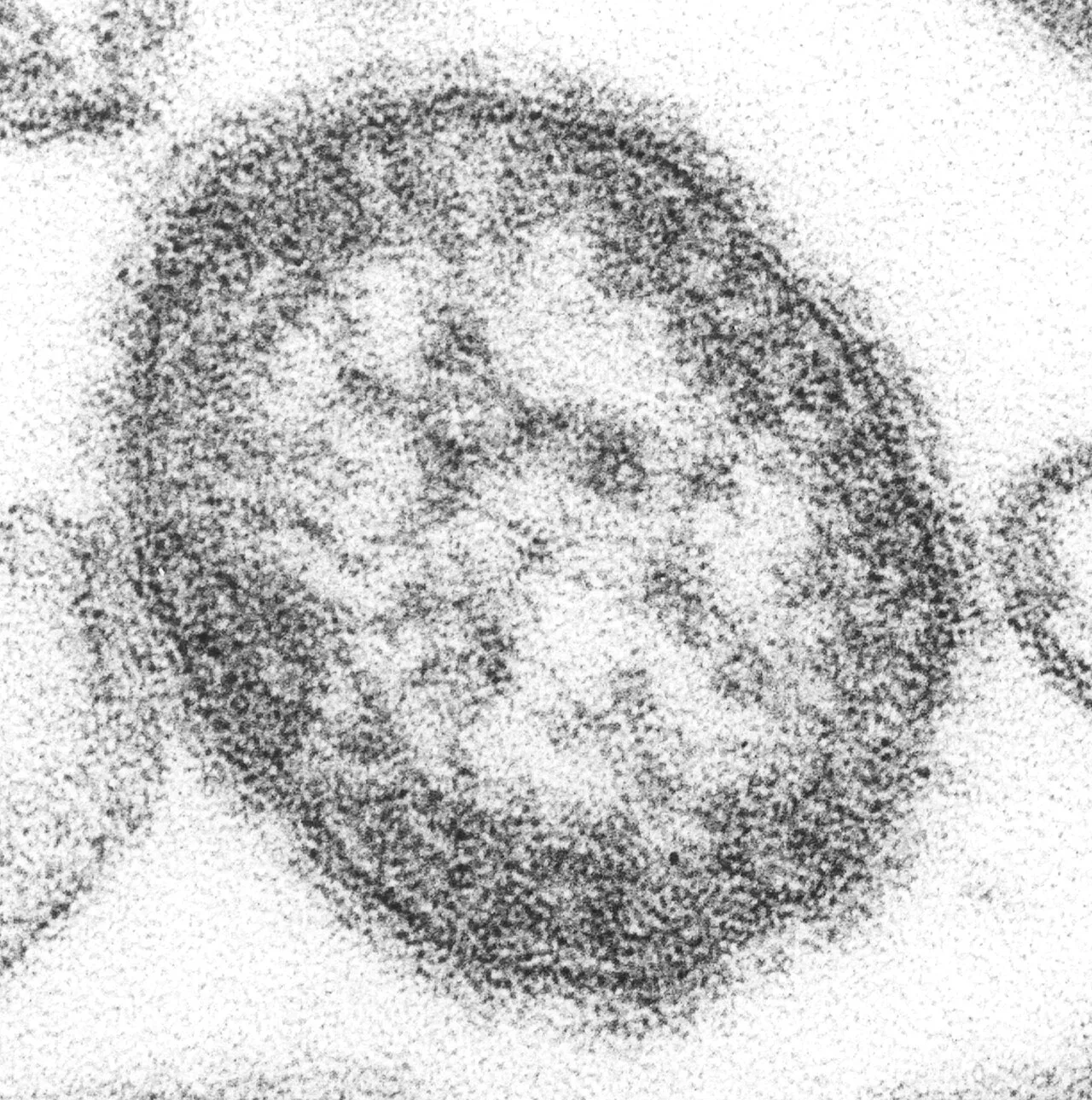
The US has officially lost its measles elimination status, which it had held for 26 years. The disease is now recognised as endemic in the country, meaning it keeps spreading on its own.
What an official label changes at home
Elimination is a formal designation, yet it reaches ordinary households. Until now, measles cases in the US were mostly brought in by international travellers. With endemic spread, the risk comes from inside the country. Americans are being asked to dig out decades-old vaccination certificates, and some may have to quarantine for 21 days.
David Margolius of the Big Cities Health Coalition said earlier in November that the issue has now become a matter of everyday life for Americans. He also said the problem is not specific to the US: cases are rising worldwide while vaccination rates fall.
Why the virus finds the gaps
Measles is among the most contagious viruses known. A community needs 95% of its members vaccinated to hold outbreaks back. The vaccine is safe and highly effective, but areas of low uptake have grown in the US as pandemic-era disruption and misinformation took their toll.
The result is the heaviest outbreak since 1991: over 5,400 people have been infected this year, and eight have died.
How the decision was reached
Expert epidemiologists recommended the change at a closed-door meeting in Washington DC. According to the Guardian, a range of evidence would have been presented, including patient interviews collected by local health authorities and whole genome sequencing, which can act as a fingerprint of a virus's origin.
The final call belonged to Dr Jarbas Barbosa da Silva Jr, director of the Pan American Health Organization, a regional branch of the World Health Organization. He said measles is returning around the world because vaccination coverage has persistent gaps, and that "the endemic measles transmission has now been re-established in Bolivia, Mexico and United States." He also praised US work on surveillance, case detection, targeted vaccination and coordination across the health system.
Noel Brewer, a behavioral scientist at the University of North Carolina at Chapel Hill, chairs a committee that weighs the evidence on US status and contributed to the science behind the decision. He sees a deep measles problem in all three North American countries. In his account, big US outbreaks spread to Canada and Mexico, and the cases then came back.
Canada lost its status in 2025, but Barbosa da Silva described it as the bright spot of the region. It has stopped transmission for 60 days, which is the first step toward getting the status back. The UK and several European nations have also lost theirs recently.
Reactions and the politics
The American Medical Association called the loss a "deeply troubling and entirely preventable setback for our nation". Dr Annie Andrews, a pediatrician and Democratic senator-elect, said the loss shows how decisions in Washington have hurt children and families. The Big Cities Health Coalition, whose members lead health departments serving 47 million Americans, called it a profoundly sad moment and blamed in part voices spreading fear and false information.
The Guardian links the setback to nearly two years in which Donald Trump and health secretary Robert F Kennedy Jr sowed confusion about vaccine safety. One recent example: Trump called for the combined measles, mumps and rubella (MMR) vaccine to be split into separate shots, arguing without evidence that the combination could be lethal. Epidemiologists have attacked Kennedy's record at the health department.
Late on Tuesday Kennedy wrote on X that the US will work to regain the status and that he will keep recommending MMR vaccination. He said his department is working on vaccination gaps and on winning back public trust, and he promised honest answers to families who ask about the benefits and risks of vaccines.
Some experts caution against loading all the blame on the administration. The MMR vaccine has drawn false claims for over two decades, some of them from Kennedy's own earlier work.
What it would take to regain the status
Brewer says the road back needs a national plan with specific tasks assigned to named parties, communicated publicly. He wants the CDC and the president to speak out forcefully in favor of vaccination, and Congress to provide more funding. Barbosa da Silva urged health departments to build campaigns tailored to undervaccinated communities.
Source: The Guardian